Cortisol Management Supplements for Hard Training Phases
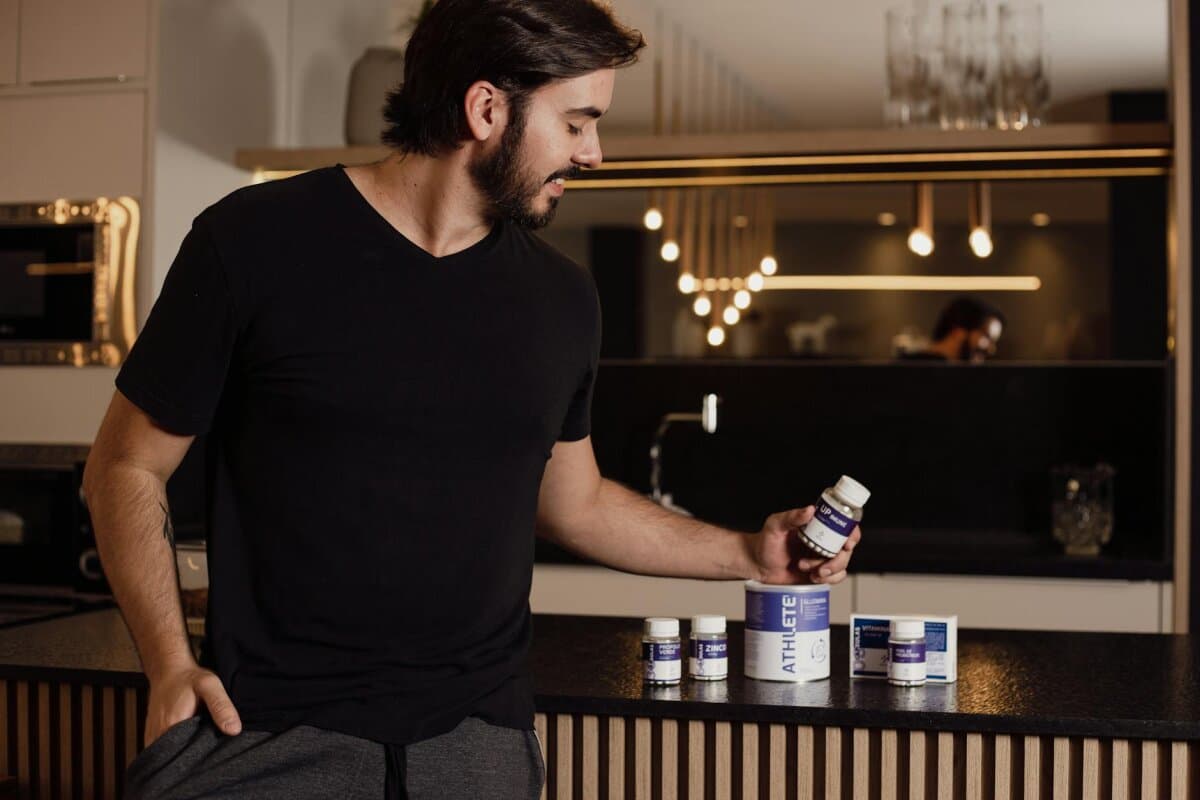
Cortisol Management Supplements for Hard Training Phases
Hard training phases are supposed to feel hard. Long sessions, heavy bars, lungs on fire, that deep soreness that sticks around longer than you’d like. All of that is part of the deal when you’re pushing progress. But there’s a line. Cross it, and suddenly recovery stalls, sleep gets weird, motivation drops, and your body feels like it’s constantly in fight-or-flight mode.
That’s where cortisol comes into the conversation. Cortisol isn’t bad far from it. You need it to train hard and adapt. The problem shows up when it stays elevated for too long. And that’s why so many lifters start asking about cortisol management supplements during brutal training blocks.
Can supplements actually help? Sometimes. But only if you understand what cortisol does, why it’s rising, and how supplements fit into the bigger picture. Let’s break it down.
What Cortisol Is and Why It Matters for Lifters
Cortisol is a hormone produced by your adrenal glands. Think of it as your body’s main stress manager. It regulates blood sugar, helps mobilize energy, controls inflammation, and plays a role in how you respond to physical and psychological stress.
Every hard workout triggers cortisol. That’s normal. You lift, sprint, grind through a tough set, and cortisol rises to help free up fuel so you can keep going. No cortisol? No intense training.
Cortisol’s Role in Training Adaptation
Acute cortisol spikes are part of the adaptation process. When you hit a heavy set of Barbell Low-Bar Squat, cortisol helps increase blood glucose, mobilize fatty acids, and manage inflammation afterward. In the short term, it’s doing its job.
That post-workout stress response signals your body that something challenging happened. Recover properly, and you come back stronger. Simple. Well, mostly.
When Cortisol Becomes a Problem
Problems start when cortisol stays elevated outside of training. Day after day. Night after night. Instead of rising and falling, it just… hangs out.
Chronically elevated cortisol can interfere with sleep, blunt muscle-building signals, increase fat storage (especially around the abdomen), and make recovery feel like an uphill battle. You’re not broken. You’re just stressed physiologically.
Why Hard Training Phases Drive Cortisol Higher
Hard training phases stack stress fast. High volume. Heavy loads. Short rest periods. Maybe you’re also in a calorie deficit or juggling work stress and bad sleep. Cortisol doesn’t care where stress comes from it all counts.
Programs built around high frequency lifting, intense conditioning, or long hypertrophy sessions are common culprits. Add poor recovery habits, and cortisol output ramps up quickly.
Examples: High-Volume Lifting, HIIT, and Contest Prep
High-volume lifting phases are a classic trigger. You’re doing more sets, more reps, more sessions. Heavy compound movements hit large muscle groups and drive a bigger hormonal response.
Then there’s HIIT-style conditioning. Sprint intervals, burpees, circuits. Metabolically demanding and effective, yes but overused, they can keep cortisol elevated, especially when layered on top of heavy lifting.
Contest prep or aggressive fat-loss phases take it even further. Calories drop, carbs get slashed, sleep often suffers, and cortisol climbs. Not because you’re doing something wrong but because stress is high.
Signs You’re Not Managing Cortisol Well
Cortisol issues rarely show up overnight. They creep in. Subtle at first. Then obvious.
- Persistent fatigue, even after rest days
- Sleep that feels light, restless, or unrefreshing
- Irritability and low motivation to train
- Declining performance despite “doing everything right”
- Increased abdominal fat or water retention
- Getting sick more often than usual
Here’s the frustrating part: strength loss usually comes last. Long before numbers drop, recovery and mood take the hit. That’s why lifters often miss the early signs.
Supplement Categories That Support Cortisol Balance
Let’s be clear. You do not want to “block” cortisol completely. That would be a disaster for training and health. The goal is regulation helping your stress response rise when needed and come back down when it’s time to recover.
That’s where certain supplement categories come into play, especially during overreaching or high-stress phases.
Adaptogens for Stress Resilience
Adaptogens are compounds that help the body adapt to stress. Not by sedating you. Not by shutting hormones down. But by smoothing out the stress response.
Ashwagandha is the most popular, and for good reason. Rhodiola and a few others show promise too. Lifters gravitate toward adaptogens because they support mental resilience, perceived stress, and recovery without killing training intensity.
Nutrients That Support Nervous System and Recovery
Some supplements don’t directly target cortisol but support systems that influence it. Magnesium helps calm the nervous system and improve sleep. Vitamin C plays a role in adrenal function. Omega-3s help manage inflammation, which can indirectly reduce stress load.
These aren’t flashy. But they’re staples for a reason.
Evidence-Based Cortisol Management Supplements Explained
This is where hype and reality often collide. Plenty of products promise to “crush cortisol.” Ignore that language. What you’re looking for is support, not suppression.
Ashwagandha and Other Adaptogens
Ashwagandha is one of the most researched adaptogens available. Studies consistently show reductions in perceived stress and modest reductions in cortisol levels, especially in chronically stressed individuals.
For lifters, the biggest benefits tend to show up in recovery, sleep quality, and overall stress tolerance. You’re not suddenly relaxed mid-workout. But you’re less fried outside the gym. Trust me, that matters.
Phosphatidylserine, Magnesium, and Vitamin C
Phosphatidylserine is interesting because it may blunt excessive exercise-induced cortisol spikes. Some athletes use it post-workout during high-volume phases to keep stress from overshooting.
Magnesium is a quiet hero. Better sleep, improved relaxation, fewer nighttime wake-ups. All of that helps bring cortisol back down when it’s supposed to drop.
Vitamin C supports adrenal health and may reduce cortisol responses to intense physical stress. Simple. Affordable. Often overlooked.
Timing and Stacking Strategies During Hard Training Blocks
Timing matters. Not obsessively but enough to be intentional.
Many lifters take magnesium and ashwagandha pre-bed to support relaxation and sleep. Phosphatidylserine often goes post-workout during especially brutal sessions. Vitamin C can be used around training or spread throughout the day.
Stacking is common. An adaptogen plus sleep-support nutrients during high-stress weeks. Then dialing things back during deloads. Supplements shouldn’t be permanent crutches.
Supplements vs. Training and Lifestyle Fundamentals
This part matters most.
No supplement fixes under-eating, poor sleep, or nonstop high-intensity training. Calories especially carbohydrates play a massive role in cortisol regulation. So does sleep. And smart program design.
Deload weeks aren’t optional. They’re hormonal reset buttons. Stress management outside the gym counts too. Supplements work best when the foundation is solid. Not before.
Final Thoughts on Cortisol Management for Serious Lifters
Cortisol isn’t the enemy. It’s part of the process. But during hard training phases, unmanaged stress can quietly derail progress.
Well-chosen cortisol management supplements can support recovery, sleep, and resilience especially when training volume and life stress are high. Ashwagandha, magnesium, phosphatidylserine, and basic micronutrients have a place.
Just remember this: training smart, eating enough, sleeping well, and respecting recovery always come first. Supplements support the system. They don’t replace it.
Frequently Asked Questions
Related Articles

Creatine Monohydrate Guide: Dosage, Timing, and Safety
Creatine monohydrate is one of the most effective and well-researched supplements for strength, power, and muscle growth. This guide breaks down exactly how creatine works, how much to take, when to take it, and what the science says about long-term safety. Learn how to use creatine correctly for better performance and results.
Best Protein Powder 2026: Whey vs Isolate vs Plant
Protein powder continues to be a staple supplement for strength training and general fitness in 2026. This guide compares whey, whey isolate, and plant-based protein powders to help you choose the best option based on muscle growth, digestion, lifestyle, and dietary preferences.

Caffeine Tolerance: How to Reset It for Better Training
Caffeine is one of the most popular performance boosters in training, but daily use can quietly reduce its benefits. This article explains how caffeine tolerance develops and how it impacts strength, endurance, and focus. Learn proven strategies to reset caffeine tolerance and use it more effectively for long-term training progress.
Supplement Cycling Strategies to Avoid Workout Plateaus
Workout plateaus are often linked to overused supplements and rising tolerance. Supplement cycling is a smart strategy to restore effectiveness, protect recovery, and support long-term performance. Learn which supplements to cycle, which to keep consistent, and how to align them with your training goals.