Fish Oil for Lifters: Does Omega-3 Improve Recovery?

Fish Oil for Lifters: Does Omega-3 Improve Recovery?
If you lift heavy, train often, or just push yourself hard in the gym, recovery isn’t optional. It’s the difference between steady progress and feeling beat up all the time. Sore muscles. Stiff joints. That low-level ache that shows up when you’re deep into a tough block of training.
That’s where fish oil always seems to come up. Every gym has that guy swearing his elbows stopped hurting once he started omega-3s. But does fish oil actually help recovery? Or is it just another supplement that sounds good on paper?
Let’s break it down. No hype. No magic claims. Just what omega-3s really do, what the research says, and whether fish oil deserves a spot in your supplement stack.
What Is Fish Oil and How Do Omega-3s Work?
Fish oil is exactly what it sounds like oil extracted from fatty fish like salmon, sardines, and anchovies. What makes it special isn’t the oil itself, but the omega-3 fatty acids inside it.
The two big players for lifters are EPA (eicosapentaenoic acid) and DHA (docosahexaenoic acid). These fats become part of your cell membranes and influence how your body handles inflammation, muscle repair, and even how cells respond to training.
Here’s the key idea: inflammation isn’t bad. You need it after hard training. But excessive or prolonged inflammation? That’s where recovery slows down, joints get cranky, and workouts start feeling heavier than they should.
Omega-3s help shift your body toward a more balanced inflammatory response, especially compared to the typical Western diet that’s overloaded with omega-6 fats from processed foods and seed oils.
EPA vs. DHA: Why Both Matter for Lifters
EPA and DHA do slightly different jobs, and you want both.
EPA is more directly involved in managing inflammation. It’s the one most often linked to reduced joint pain and improved recovery markers. If your elbows or knees complain after heavy squats or pressing, EPA is your friend.
DHA supports cell membrane health and nervous system function. That matters for lifters more than you might think. Strong muscle contractions, coordination, and even mind-muscle connection all rely on healthy neural signaling.
Most quality fish oil supplements provide a blend. And honestly, that’s what you want. Not either-or.
How Resistance Training Impacts Muscle and Recovery
Every hard workout creates some level of muscle damage. Tiny microtears form in the muscle fibers, especially during eccentric movements think the lowering phase of a squat or deadlift.
Your body responds with inflammation. Blood flow increases. Immune cells show up. This is normal. It’s how your muscles rebuild stronger than before.
But here’s where lifters get stuck. High training volume, heavy loads, and short recovery windows can push that process into overdrive. Instead of bouncing back, soreness lingers. Strength feels flat. Motivation dips.
That familiar tight, tender feeling a day or two after training? That’s DOMS delayed onset muscle soreness. And while soreness doesn’t equal growth, excessive DOMS can absolutely interfere with performance.
Heavy Lifts, High Volume, and Systemic Fatigue
Compound lifts are incredible for building muscle and strength. They’re also demanding.
Heavy sets of the Barbell Full Squat don’t just hit your legs. They stress your nervous system, connective tissue, and core. Same deal with the Barbell Deadlift. Big payoff, big recovery cost.
Pressing movements like the Barbell Bench Press add repetitive stress to shoulders and elbows over time. And when you’re training 4 6 days a week, that stress adds up fast.
This is where recovery strategies not just rest days start to matter.
What Does the Science Say About Omega-3s and Recovery?
Fish oil has been studied heavily in general health, but research specific to lifters and resistance training is still catching up. That said, the data we do have is interesting.
Several studies suggest omega-3 supplementation can influence muscle protein synthesis the process your body uses to repair and build muscle after training.
Other research looks at soreness, strength recovery, and performance markers. Results aren’t identical across the board, but there are clear trends worth paying attention to.
Omega-3s, Muscle Growth, and Strength Adaptations
One of the more exciting findings is that omega-3s may enhance how muscles respond to protein and resistance training.
Some studies show increased muscle protein synthesis when omega-3 intake is higher, especially in older adults. In younger, trained lifters, the effect is smaller but still potentially meaningful over long training cycles.
Think of omega-3s as a support system. They don’t build muscle for you. But they may help your muscles respond better to the training and nutrition you’re already doing.
Strength-wise, results are mixed. A few studies report slightly faster recovery of force production after damaging workouts. Others show no significant difference. That doesn’t mean omega-3s don’t work it means they’re not a steroid. Expectations matter.
Do Omega-3s Actually Reduce Soreness?
This is the question most lifters care about.
Research suggests omega-3s can reduce markers of muscle damage and inflammation after intense training. Subjective soreness ratings sometimes improve, especially with consistent supplementation over weeks not days.
But here’s the honest truth. Fish oil won’t erase soreness after a brutal leg day. If you annihilate your quads, you’re still going to feel it.
What omega-3s may do is take the edge off. Less stiffness. Faster return to baseline. Better movement quality between sessions. Subtle, but noticeable if you train hard year-round.
Joint and Tendon Health Benefits for Lifters
For many lifters, joints not muscles become the limiting factor.
Shoulders that ache during pressing. Elbows that flare up on curls or rows. Knees that complain after heavy squats. Sound familiar?
Omega-3s have well-documented anti-inflammatory effects that extend beyond muscle tissue. They influence joint fluid composition and inflammatory signaling around tendons and ligaments.
Over time, this can mean less daily discomfort and better tolerance to high training volumes.
Omega-3s for Longevity in Heavy Training
This is where fish oil really shines.
If you’re lifting for the long game years, not months joint comfort matters. A lot. Omega-3s won’t fix poor technique or reckless programming. But they can help create a friendlier internal environment for recovery.
Many experienced lifters notice fewer nagging aches once they’ve been consistent with fish oil for a few months. Not overnight. Not dramatic. Just… better.
And sometimes, that’s all you need to keep training consistently.
How to Use Fish Oil: Dosage, Timing, and Quality
This is where things often go wrong.
Most people underdose fish oil. Or they buy low-quality supplements that barely contain meaningful amounts of EPA and DHA.
For lifters, dosage should be based on EPA + DHA content, not total fish oil weight.
EPA and DHA Targets for Weight Training
Most research showing benefits uses between 1.5 to 3 grams of combined EPA and DHA per day.
That usually means 3 6 standard capsules daily, depending on the product. Check the label. Seriously.
- Beginners or light trainers: ~1.5 2 g EPA+DHA
- Heavy lifters, high volume: ~2 3 g EPA+DHA
Timing isn’t critical. Take it with meals to improve absorption and reduce fishy burps. Consistency matters far more than timing.
As for quality, look for third-party testing, low oxidation markers, and clear EPA/DHA labeling. If it smells rancid, toss it.
Fish Oil in a Complete Recovery Strategy
Let’s be clear. Fish oil is not a recovery shortcut.
If you’re sleeping five hours a night, under-eating protein, and maxing out every session, omega-3s won’t save you.
But when the basics are dialed in sleep, calories, protein, smart programming fish oil can support the whole system.
It pairs well with adequate carbs for glycogen replenishment and enough protein to drive muscle repair. Think of it as a background player that keeps inflammation from getting out of hand.
Who Should Avoid or Be Careful With Fish Oil?
Fish oil isn’t for everyone.
If you’re on blood-thinning medications, have bleeding disorders, or are scheduled for surgery, talk to a healthcare professional first. High-dose omega-3s can affect clotting.
Some people experience digestive issues. Start low. Increase gradually. And if you hate the taste or burps, that’s usually a quality issue.
Is Fish Oil Worth It for Lifters?
So, does fish oil improve recovery?
For most lifters, yes but not in a dramatic, overnight way. Omega-3s support inflammation management, joint comfort, and possibly muscle protein synthesis when used consistently and dosed correctly.
If you train hard, lift heavy, and plan to keep doing this for years, fish oil is a solid addition. Not flashy. Not magic. Just reliable.
Get the basics right first. Then let omega-3s quietly do their job in the background. Trust me on this your joints will thank you.
Frequently Asked Questions
Related Articles

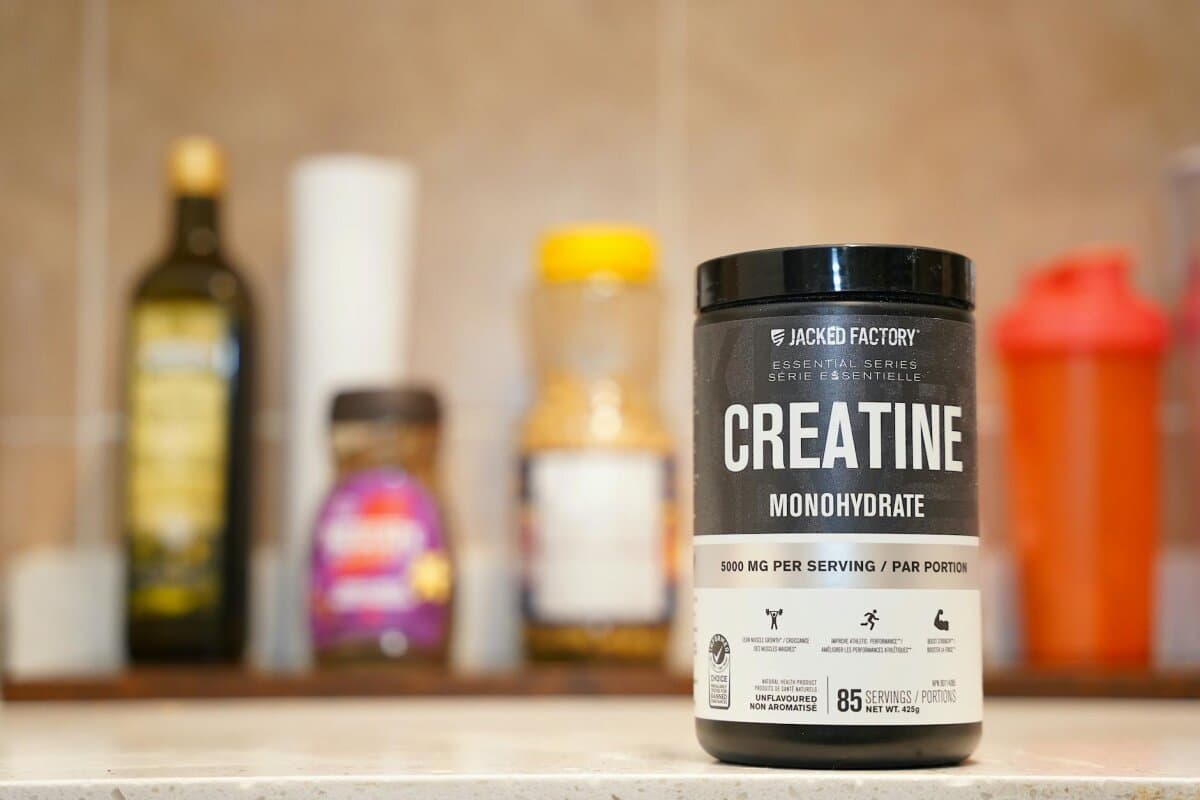
Creatine Monohydrate Guide: Dosage, Timing, and Safety
Creatine monohydrate is one of the most effective and well-researched supplements for strength, power, and muscle growth. This guide breaks down exactly how creatine works, how much to take, when to take it, and what the science says about long-term safety. Learn how to use creatine correctly for better performance and results.

Best Protein Powder 2026: Whey vs Isolate vs Plant
Protein powder continues to be a staple supplement for strength training and general fitness in 2026. This guide compares whey, whey isolate, and plant-based protein powders to help you choose the best option based on muscle growth, digestion, lifestyle, and dietary preferences.

Caffeine Tolerance: How to Reset It for Better Training
Caffeine is one of the most popular performance boosters in training, but daily use can quietly reduce its benefits. This article explains how caffeine tolerance develops and how it impacts strength, endurance, and focus. Learn proven strategies to reset caffeine tolerance and use it more effectively for long-term training progress.
Supplement Cycling Strategies to Avoid Workout Plateaus
Workout plateaus are often linked to overused supplements and rising tolerance. Supplement cycling is a smart strategy to restore effectiveness, protect recovery, and support long-term performance. Learn which supplements to cycle, which to keep consistent, and how to align them with your training goals.