Gut Health Probiotics: Best Strains for Athletes
Gut Health Probiotics: Best Strains for Athletes
Not that long ago, sports nutrition was pretty simple. Protein. Creatine. Maybe a pre-workout that made your ears itch. Done.
Fast forward to now, and gut health is suddenly everywhere. Podcasts. Locker room conversations. Supplement stacks that look like a pharmacy shelf. And honestly? There’s a good reason for it.
If you train hard lifting heavy, running long, or grinding through high-volume weeks your gut takes a hit. Digestion slows. Bloating shows up out of nowhere. You get sick more often than you used to. Sound familiar?
That’s where probiotics come in. Not as a magic fix. But as a real, science-backed tool to support digestion, recovery, immunity, and overall performance. Let’s break down what actually matters, which strains are worth your attention, and how athletes should use probiotics the smart way.
What Are Probiotics and Why Gut Health Matters
At the most basic level, probiotics are live microorganisms mostly bacteria that support your gut microbiome. That microbiome? It’s a massive ecosystem living inside your digestive tract, and it influences way more than just bathroom habits.
We’re talking digestion, nutrient absorption, immune defense, inflammation control, even how well you recover from training. Ignore it long enough, and your performance eventually pays the price.
How the Gut Microbiome Works
Your gut is home to trillions of bacteria. Some helpful. Some not so much. When things are balanced, digestion feels smooth, nutrients get absorbed efficiently, and your immune system stays sharp.
But hard training can disrupt that balance. Intense sessions increase gut permeability (yep, “leaky gut” is a real thing), shift blood flow away from digestion, and spike stress hormones. Over time, that combo can lead to inflammation, poor recovery, and constant GI discomfort.
Probiotics help restore balance by crowding out harmful bacteria and reinforcing the gut barrier. Not overnight. But steadily, if you’re consistent.
Probiotics vs. Prebiotics: Key Differences
Quick clarification, because these get mixed up all the time.
- Probiotics are live beneficial bacteria.
- Prebiotics are fibers that feed those bacteria.
You need both. But if your gut is already under stress from training, probiotics are often the missing piece.
Why Athletes Have Unique Gut Health Challenges
Your average desk worker and a hard-training athlete do not have the same digestive demands. Not even close.
Training stress, high-calorie diets, supplements, dehydration it all adds up. And the gut usually feels it first.
Training Stress and Exercise-Induced GI Issues
Heavy compound lifts like the Barbell Deadlift and Barbell Full Squat increase intra-abdominal pressure. That’s normal. But over time, especially with poor hydration or rushed meals, it can trigger reflux, cramping, or that uncomfortable “brick in the stomach” feeling.
Add high-intensity conditioning on top of that, and digestion often takes a back seat.
Gut Stress in Strength vs. Endurance Athletes
Strength athletes usually deal with volume-related gut stress big meals, lots of protein, frequent supplements. Endurance athletes? Different beast.
Long sessions of Running reduce blood flow to the gut for extended periods. That’s why endurance athletes are more prone to nausea, diarrhea, and mid-session GI distress.
Different training styles. Same underlying issue. A gut that’s under constant pressure.
Best Probiotic Strains for Athletic Performance
This part matters. A lot.
Not all probiotics are created equal, and generic labels like “50 billion CFUs” don’t tell the whole story. Strain specificity is where the real benefits live.
Lactobacillus Strains for Digestion and Immunity
Lactobacillus strains are some of the most studied in athletic populations. They’re known for improving digestion, reducing bloating, and supporting immune function.
Popular strains include:
- Lactobacillus rhamnosus linked to reduced GI discomfort and improved immune resilience
- Lactobacillus acidophilus supports protein digestion and nutrient absorption
- Lactobacillus plantarum associated with reduced inflammation and improved recovery markers
If you’re eating big meals and training hard, these strains can make digestion feel… normal again. Which is underrated, trust me.
Bifidobacterium Strains for Inflammation and Recovery
Bifidobacterium strains shine when it comes to inflammation control and gut barrier support.
- Bifidobacterium longum linked to reduced exercise-induced inflammation
- Bifidobacterium breve supports immune health during intense training blocks
- Bifidobacterium bifidum helps maintain gut lining integrity
These are especially useful during high-volume phases or when recovery feels slower than it should.
How Probiotics Support Performance and Recovery
No, probiotics won’t add 50 pounds to your lift. But they support the systems that actually allow progress to happen.
Gut Health and Muscle Recovery
A healthier gut means better absorption of amino acids, minerals, and vitamins. That matters when you’re pushing volume or intensity.
There’s also the inflammation angle. Chronic gut inflammation can spill into systemic inflammation, which slows recovery and messes with sleep. Fix the gut, and recovery often follows.
Probiotics for Endurance and High-Intensity Training
Studies show certain strains may reduce upper respiratory infections in hard-training athletes. Fewer sick days means more consistent training. Simple math.
For endurance athletes, probiotics may also reduce exercise-induced GI distress. Fewer emergency bathroom stops mid-run? Worth considering.
How Athletes Should Choose a Probiotic Supplement
This is where a lot of people mess up. They buy the biggest number on the label and hope for the best.
Instead, focus on quality and specificity.
Understanding CFUs and Dosage for Athletes
CFUs (colony-forming units) measure how many live bacteria you’re getting. For athletes, somewhere between 10 50 billion CFUs per day is common.
More isn’t always better. The right strains at a reasonable dose usually beat a massive dose of random bacteria.
Safety, Quality, and Supplement Transparency
Look for:
- Strain-specific labeling (not just species)
- Delayed-release or acid-resistant capsules
- Third-party testing for purity
If a company won’t tell you exactly what strains they’re using, that’s a red flag.
Probiotic Foods vs. Supplements for Athletes
Yes, food matters. A lot.
Fermented foods introduce beneficial bacteria naturally and support long-term gut health. But for athletes with specific goals, they’re not always enough.
Best Fermented Foods for Active Lifestyles
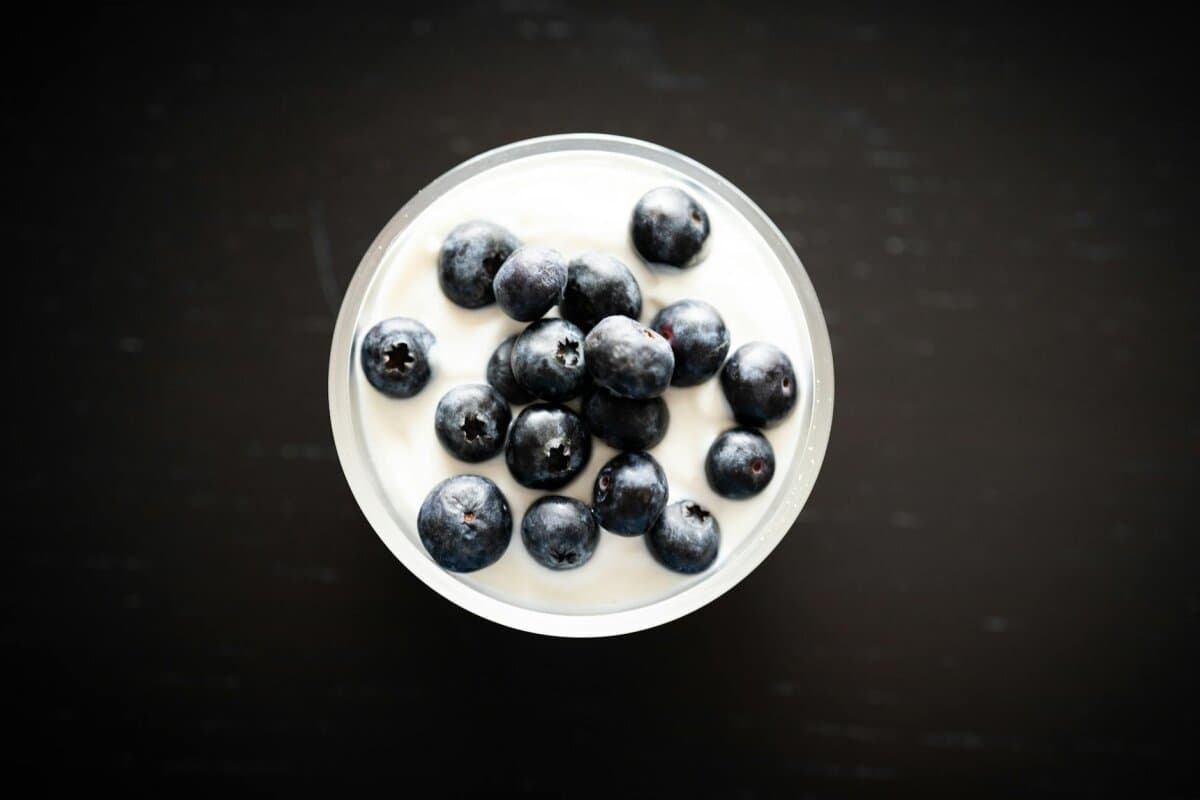
- Greek yogurt with live cultures
- Kefir
- Sauerkraut and kimchi
The downside? Inconsistent strain content and dosing. Supplements provide precision. Foods provide support. Ideally, you use both.
Final Thoughts: Building an Athlete-Friendly Gut
Gut health isn’t flashy. It doesn’t give you a pump or a PR overnight. But it quietly supports everything that does.
If you train hard, eat big, and expect your body to recover day after day, your gut needs backup. Probiotics chosen with intention can help stabilize digestion, support immunity, and improve recovery over time.
Just remember: they complement training, nutrition, sleep, and stress management. They don’t replace them.
Get the basics right. Pick smart strains. Be consistent. Your gut and your performance will thank you.
Frequently Asked Questions
Related Articles

Creatine Monohydrate Guide: Dosage, Timing, and Safety
Creatine monohydrate is one of the most effective and well-researched supplements for strength, power, and muscle growth. This guide breaks down exactly how creatine works, how much to take, when to take it, and what the science says about long-term safety. Learn how to use creatine correctly for better performance and results.
Best Protein Powder 2026: Whey vs Isolate vs Plant
Protein powder continues to be a staple supplement for strength training and general fitness in 2026. This guide compares whey, whey isolate, and plant-based protein powders to help you choose the best option based on muscle growth, digestion, lifestyle, and dietary preferences.

Caffeine Tolerance: How to Reset It for Better Training
Caffeine is one of the most popular performance boosters in training, but daily use can quietly reduce its benefits. This article explains how caffeine tolerance develops and how it impacts strength, endurance, and focus. Learn proven strategies to reset caffeine tolerance and use it more effectively for long-term training progress.
Supplement Cycling Strategies to Avoid Workout Plateaus
Workout plateaus are often linked to overused supplements and rising tolerance. Supplement cycling is a smart strategy to restore effectiveness, protect recovery, and support long-term performance. Learn which supplements to cycle, which to keep consistent, and how to align them with your training goals.