How to Build Bigger Arms: Triceps vs Biceps Focus Explained

How to Build Bigger Arms: Triceps vs Biceps Focus Explained
Let’s be honest. When most people say they want to “get bigger,” what they really mean is bigger arms. Sleeves fit tighter. Shirts look better. And there’s just something satisfying about seeing your arms fill out in the mirror after a hard session.
But here’s where things get confusing. Do you hammer curls and chase a bigger biceps peak? Or do you double down on triceps work because you’ve heard they make up most of your arm size? Both camps swear they’re right. And both have a point.
The truth sits somewhere in the middle, backed by anatomy, research, and years of practical gym experience. In this article, we’ll break down how arm size really works, what the science says about triceps vs biceps growth, and how to structure your training if bigger arms are the goal you actually care about. No hype. Just evidence, context, and real-world application.
Arm Anatomy and Muscle Contribution to Size
If you want bigger arms, you need to understand what you’re actually trying to grow. The upper arm isn’t just “biceps in the front, triceps in the back.” It’s a group of muscles working together, each contributing differently to size, shape, and strength.
Why Triceps Dominate Arm Circumference
The triceps brachii make up roughly two-thirds of your total upper arm muscle mass. Three heads. Long, lateral, and medial. That alone should raise an eyebrow.
When your arms hang at your sides, the triceps are doing most of the visual heavy lifting. They’re responsible for that thick, rounded look from the side and the back. Add size here, and your arm circumference increases fast. That’s why lifters who focus heavily on pressing movements often look more “built” even if their biceps aren’t massive.
The long head of the triceps is especially important. It crosses the shoulder joint and contributes a lot to overall arm thickness. Miss it, and you’re leaving size on the table. Simple as that.
How Biceps Affect Arm Aesthetics and Strength
Biceps matter too. Just differently.
The biceps brachii are primarily responsible for elbow flexion and that classic arm “peak.” When someone flexes in a mirror, the biceps are what draw the eye first. They shape the arm from the front and heavily influence how impressive your arms look in a pose or photo.
There’s also the brachialis, sitting underneath the biceps. It doesn’t get the same attention, but developing it can add noticeable thickness to the arm, especially when viewed from the side.
So yes, biceps won’t give you the most mass overall. But neglect them? Your arms will look flat and unfinished.
What the Science Says: Triceps vs Biceps for Growth
This is where opinions usually clash. Luckily, we don’t have to rely on gym folklore.
Electromyography (EMG) studies and hypertrophy research consistently show that total weekly training volume and proximity to failure matter more than the specific muscle you favor. Still, when volume is matched, programs with slightly higher triceps emphasis tend to produce greater overall arm growth.
EMG Findings and Muscle Activation Patterns
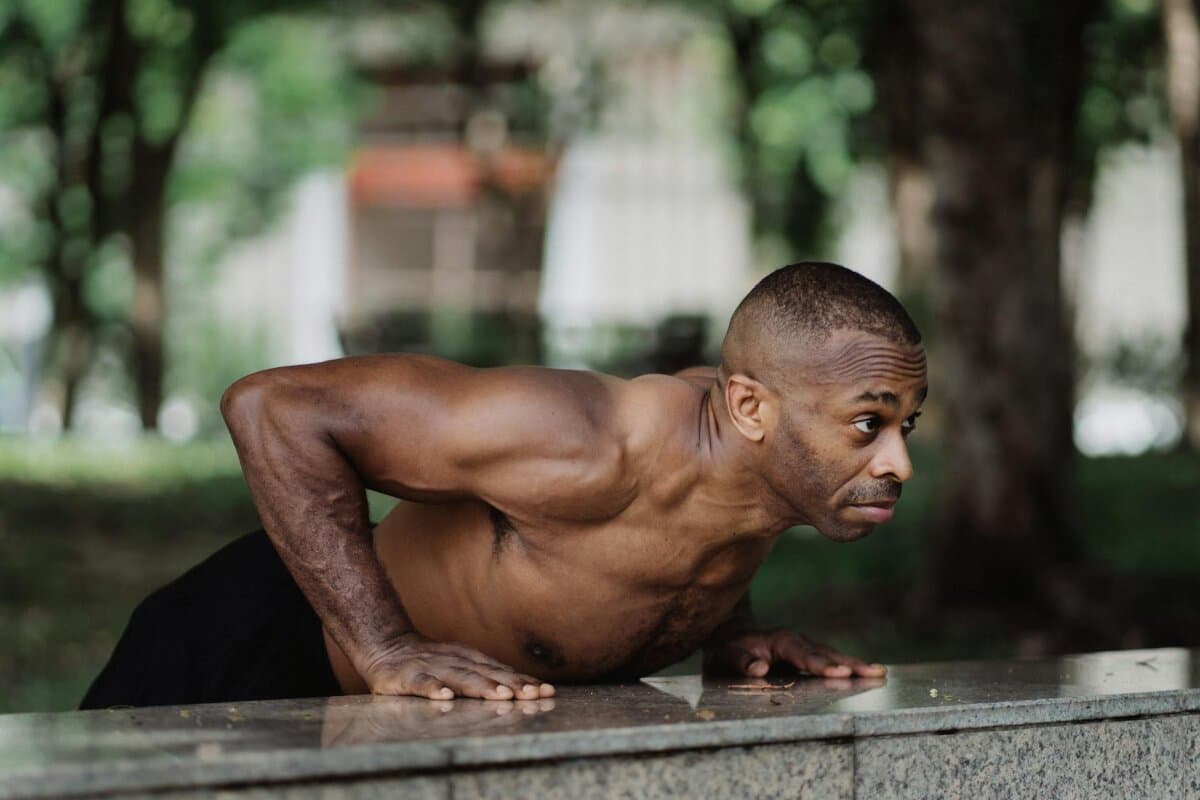
EMG data shows that compound pressing movements heavily recruit the triceps, often more than people realize. Exercises like the Barbell Bench Press or even advanced push-up variations load the triceps with significant mechanical tension.
On the pulling side, biceps activation is highest during strict elbow flexion movements, but many back exercises distribute load across the lats, upper back, and forearms. Translation? Biceps often get less direct stimulus unless you intentionally isolate them.
That difference adds up over time. Triceps frequently accumulate more effective volume across a typical program, especially one built around pressing strength.
Training Volume as the Primary Growth Driver
Hypertrophy research is clear on this point. Weekly volume, measured in hard sets close to failure, is one of the strongest predictors of muscle growth.
For arms, most intermediate lifters respond well to 10 20 challenging sets per week per muscle group. When triceps volume creeps slightly higher than biceps volume, total arm size usually benefits. Not always. But often.
Exercise selection still matters, but only after volume, effort, and consistency are handled.
Best Exercises for Building Bigger Arms
Let’s get practical. Exercises don’t grow muscles on their own. But the right movements make progressive overload easier, safer, and more repeatable.
Top Triceps Exercises for Maximum Mass
Big triceps respond well to a mix of heavy compound lifts and targeted isolation.
- Close-grip pressing: Variations like the Smith Machine Close-Grip Bench Press allow heavy loading while keeping tension on the triceps.
- Overhead triceps extensions: Essential for fully developing the long head. Use dumbbells or cables and focus on a deep stretch.
- Triceps pushdowns: Great for accumulating volume with minimal joint stress.
- Dips: Especially ring dips, if your shoulders tolerate them well.
The key is range of motion. Lockout matters. Half reps cheat you out of growth.
Most Effective Biceps Exercises for Size and Peak
Biceps thrive on controlled reps and consistent tension.
- Barbell curls: Still a classic for a reason. Load progressively and keep form strict.
- Incline dumbbell curls: The stretched position increases hypertrophy stimulus.
- Neutral-grip pulling: Movements like the Pull-up (Neutral Grip) heavily involve the biceps while training the back.
If your biceps lag, slow the tempo. Feel the muscle working. That mind-muscle connection isn’t fluff here.
Balancing Compounds and Isolation Movements
Compounds build the base. Isolation fills in the gaps.
Rely only on isolation, and you’ll stall early. Ignore it, and weak points stay weak. The sweet spot is using big lifts to handle load, then finishing with targeted work close to failure.
Programming Variables That Matter More Than Exercise Choice
This is where many lifters miss the mark. They chase new exercises instead of improving how they train.
How Much Volume Do Arms Really Need?
Most intermediate trainees grow best with arms trained two to three times per week. Frequency helps you accumulate quality volume without annihilating recovery.
A solid starting point looks like this:
- 10 14 sets per week for biceps
- 12 18 sets per week for triceps
Adjust based on recovery, not ego. Soreness isn’t the goal. Progress is.
Protein Intake and Recovery for Hypertrophy
You can train perfectly and still stall if recovery is lacking.
Research consistently supports protein intakes around 0.7 1.0 grams per pound of body weight for hypertrophy. Sleep matters just as much. Seven to nine hours isn’t a luxury. It’s part of the program.
And yes, arms recover faster than legs. But that doesn’t mean they’re immune to overuse.
Triceps-Focused vs Biceps-Focused Training Approaches
So which should you prioritize?
If your arms are small overall, triceps emphasis usually delivers faster circumference gains. If your arms are thick but lack shape, biceps specialization can dramatically improve aesthetics.
Upper/Lower and PPL Splits for Arm Growth
Upper/lower splits allow you to hit arms frequently without dedicating entire sessions to them. Push-pull-legs (PPL) setups naturally bias triceps on push days and biceps on pull days, making volume management straightforward.
Both work. Choose the one you can sustain.
Arm Specialization Blocks: Pros and Cons
Short-term arm specialization blocks can be effective for intermediate and advanced lifters. For four to six weeks, arms get extra volume while other muscle groups are maintained.
The upside? Rapid growth. The downside? Fatigue and plateaus if you run them too long.
Periodization matters. Rotate focus. Stay fresh.
So, Should You Focus on Triceps or Biceps?
If the goal is bigger arms overall, the evidence is clear. Triceps deserve slightly more attention. They contribute more mass, respond well to heavy loading, and drive increases in arm circumference.
But biceps are far from optional. They define the look of your arms and balance the physique. Ignore them, and even big arms can look underwhelming.
The long-term answer isn’t choosing sides. It’s intelligent programming. Balanced volume. Progressive overload. Periodized emphasis. Stick to that, and your sleeves won’t fit the same a year from now. Trust me on this.
Frequently Asked Questions
Related Articles

Shredding Naturally: How Lean Is Realistically Achievable?
Social media often promotes shredded physiques that aren’t realistic for natural lifters. This article breaks down what “shredded” really means, the natural limits of leanness, and the health trade-offs involved. Learn how lean you can realistically get without drugs and how to set sustainable, evidence-based expectations.
Lean Muscle vs Scale Weight: What Should You Prioritize?
The bathroom scale doesn’t always reflect real fitness progress. This article breaks down the difference between lean muscle and scale weight, explains why the scale can be misleading, and shows you how to choose the right metric based on your goals. Learn how to track progress smarter and stay motivated long term.

Why You Look Softer at the Same Weight (And What It Means)
If you look softer at the same weight, the scale isn’t telling the full story. Changes in muscle mass, fat distribution, training intensity, and recovery can dramatically affect how your body looks without changing the number you see. This article explains why it happens and what to focus on instead of weight alone.
Cutting Calories vs Increasing Activity: What Works Better?
The debate between cutting calories and increasing activity is one of the most common questions in fat loss. While both play a role, science shows that a calorie deficit is the foundation of weight loss. This article breaks down the pros and cons of each approach and explains why combining diet and activity leads to the most sustainable results.