Insulin Mimetics for Muscle: Smart Tool or Risky Shortcut?
Insulin Mimetics for Muscle: Smart Tool or Risky Shortcut?
Insulin. Say that word in a hardcore gym and you’ll see a few heads turn. Some with curiosity. Some with concern. In bodybuilding culture, insulin has long been whispered about as one of the most anabolic hormones in the human body. Not because it builds muscle directly like testosterone, but because it decides where your nutrients go. Muscle… or fat.
And that’s where insulin mimetics enter the conversation. Over-the-counter supplements promising better carb absorption, fuller muscles, and improved recovery without injections, prescriptions, or ER visits. Sounds appealing, right? But are insulin mimetics actually a smart performance tool, or just another risky shortcut wrapped in science-sounding hype?
Let’s slow it down. And really unpack it.
Why Insulin Matters for Muscle Growth
Insulin isn’t a muscle-building hormone in the way most lifters think. It doesn’t directly trigger muscle protein synthesis like leucine or resistance training does. But and this is a big but it’s one of the most powerful anti-catabolic hormones you have.
When insulin rises, your muscle cells open their doors. Glucose gets shuttled in. Amino acids follow. Electrolytes like potassium and sodium tag along. This process refills muscle glycogen, supports hydration inside the muscle cell, and creates an environment where muscle tissue is protected instead of broken down.
Train hard, especially with big compound lifts like the Barbell Full Squat or a heavy Barbell Deadlift, and your muscles become especially sensitive to insulin afterward. That’s not magic. That’s physiology. Depleted glycogen + damaged fibers = a sponge ready to soak up nutrients.
That’s why carbs post-workout matter. And why insulin natural or enhanced gets so much attention.
Insulin vs. Muscle-Building Hormones
Here’s where people get confused. Testosterone, growth hormone, IGF-1 these hormones signal growth. Insulin supports it. Think of insulin as the delivery truck, not the architect. Without it, nutrients float around in your bloodstream with nowhere useful to go.
High insulin alone won’t build muscle. But low insulin, combined with hard training and high volume? That’s a recipe for flat workouts, poor recovery, and muscle loss. Especially during high-carb, high-volume phases.
What Are Insulin Mimetics?
Insulin mimetics are compounds usually supplements that aim to mimic certain actions of insulin without actually being insulin. No injections. No prescriptions. No syringes hidden in gym bags.
Most insulin mimetics work by improving insulin sensitivity. Meaning your body needs less insulin to do the same job. Others influence glucose transporters in muscle cells, helping shuttle carbs into muscle tissue more efficiently.
Why do lifters care? Because better insulin sensitivity usually means:
- More carbs going to muscle instead of fat
- Faster glycogen replenishment
- Better pumps and muscle fullness
- Less spillover during high-calorie phases
And yes, there’s also a legal angle. Prescription insulin carries serious health risks and legal consequences if misused. Insulin mimetics sit in a gray-but-legal supplement space that feels safer. Emphasis on feels.
Insulin Mimetics vs. Prescription Insulin
Let’s be clear. Insulin mimetics are not insulin. They don’t force glucose into cells at the same intensity. And that’s actually a good thing.
Prescription insulin can cause severe hypoglycemia if misused. Shakes. Dizziness. Loss of consciousness. Worse. Insulin mimetics typically work upstream making your body respond better to the insulin it already produces.
That also means the effects are subtler. Slower. And highly dependent on your diet and training structure. No carbs? No magic.
Common Insulin Mimetics Used in Bodybuilding
Walk down a supplement aisle or scroll bodybuilding forums and you’ll see the same ingredients pop up again and again. Each with its own mechanism. And its own hype.
- Berberine One of the most researched. Improves insulin sensitivity and glucose uptake. Often compared to metformin-lite.
- Alpha-Lipoic Acid (ALA) Acts as an antioxidant and may increase glucose transport into muscle cells.
- Chromium Picolinate Involved in insulin signaling, though effects are modest unless deficient.
- Cinnamon Extract May slow carbohydrate digestion and improve blood sugar control.
- Banaba Leaf Contains corosolic acid, which may enhance glucose uptake.
- Vanadyl Sulfate One of the strongest insulin mimetics, but also the most controversial.
Most bodybuilding formulas combine several of these. The goal? Cover multiple pathways without pushing any single compound too hard.
Supplement Label Red Flags and Dosage Considerations
Here’s where things get messy. More is not better. Especially with insulin mimetics.
High doses especially of berberine or vanadium compounds can cause GI distress, fatigue, or hypoglycemia-like symptoms. If a label hides dosages behind a “proprietary blend,” that’s a red flag. Full stop.
And trust me on this if you’re already under-eating carbs or training inconsistently, no dosage will save you.
How Insulin Mimetics May Support Muscle Growth
Let’s talk real-world application. Insulin mimetics don’t build muscle on their own. They support environments where muscle growth is already happening.
The biggest benefit shows up during high-carb phases. Think off-season bodybuilding, high-volume hypertrophy blocks, or aggressive push/pull/legs splits. When carbs are high, insulin sensitivity matters more.
Better nutrient partitioning means more carbs stored as muscle glycogen instead of body fat. That translates into:
- Fuller-looking muscles
- Better pumps during sessions
- Improved recovery between workouts
Pair insulin mimetics with brutal leg days heavy squats, high-rep accessory work and post-workout carbs suddenly feel like they disappear into your quads.
Training Contexts Where Insulin Mimetics Are Most Used
These supplements show up most often alongside demanding training styles. High-volume hypertrophy splits. Frequent training weeks. Programs that revolve around compound lifts like the Barbell Bench Press and heavy pulls.
They’re less useful during low-carb cuts or minimalist training phases. No glycogen demand? No reason to enhance uptake.
Scientific Evidence vs. Gym Hype
Here’s the honest truth. Most research on insulin mimetics focuses on metabolic health, not jacked lifters chasing sleeve-busting pumps.
Berberine and ALA have decent evidence for improving insulin sensitivity, especially in insulin-resistant populations. But direct studies showing increased muscle hypertrophy? Limited. Indirect at best.
That doesn’t mean they’re useless. It means their effectiveness depends on context. Dialed-in nutrition. Progressive training. Adequate calories. Miss any of those, and supplements become expensive placebos.
Too many lifters treat insulin mimetics like a shortcut around poor food choices. That’s backward thinking.
Why Results Vary So Widely Among Lifters
Some lifters swear by insulin mimetics. Others feel nothing. Why?
Baseline insulin sensitivity matters. A lean, active lifter with good carb tolerance won’t feel dramatic changes. Someone pushing calories hard, training legs twice a week, and flirting with insulin resistance? Different story.
Genetics. Diet quality. Carb timing. Training volume. All of it matters.
Potential Risks, Side Effects, and Who Should Use Them
Let’s not sugarcoat it. Insulin mimetics aren’t risk-free.
Overuse can cause lightheadedness, fatigue, digestive distress, or shaky hands especially if taken without enough carbs. Some compounds may interfere with mineral balance or gut health when abused.
The bigger risk? Masking bad habits. Using supplements to justify sloppy eating or inconsistent training is a fast track to spinning your wheels.
Special Considerations for Blood Sugar and Health Conditions
If you have diabetes, hypoglycemia, or any blood sugar disorder, insulin mimetics should be approached with extreme caution or avoided entirely without medical supervision.
Beginners don’t need them. Period. Build the basics first. Experienced lifters with structured diets? Maybe. And even then, conservatively.
Smart Tool or Risky Shortcut?
Insulin mimetics sit in a gray area. They’re not magic. They’re not inherently dangerous either. Used strategically, they can support nutrient uptake and recovery during demanding training phases.
But they’re tools. Not shortcuts. And definitely not replacements for hard training, disciplined eating, and real recovery.
If you’ve earned the right to fine-tune details, insulin mimetics may have a place. If not? Save your money. Focus on the basics. Muscle still rewards the work.
Frequently Asked Questions
Related Articles
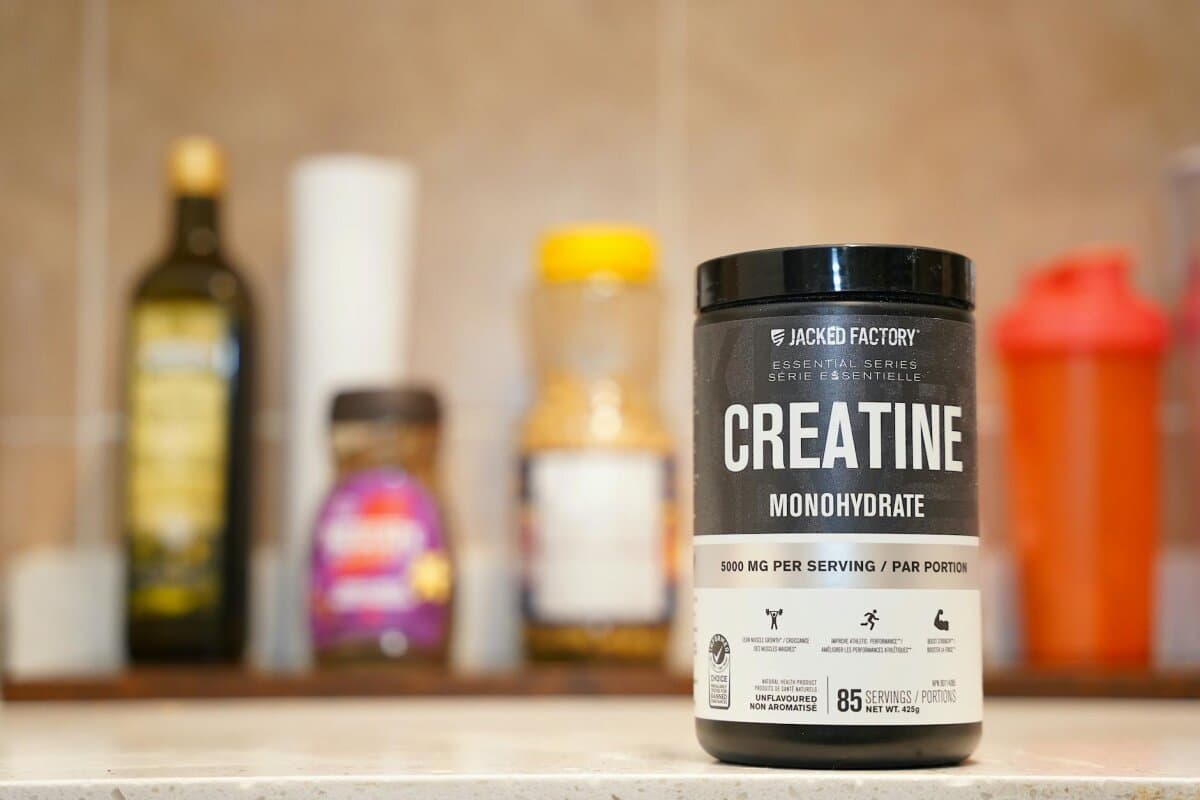
Creatine Monohydrate Guide: Dosage, Timing, and Safety
Creatine monohydrate is one of the most effective and well-researched supplements for strength, power, and muscle growth. This guide breaks down exactly how creatine works, how much to take, when to take it, and what the science says about long-term safety. Learn how to use creatine correctly for better performance and results.
Best Protein Powder 2026: Whey vs Isolate vs Plant
Protein powder continues to be a staple supplement for strength training and general fitness in 2026. This guide compares whey, whey isolate, and plant-based protein powders to help you choose the best option based on muscle growth, digestion, lifestyle, and dietary preferences.

Caffeine Tolerance: How to Reset It for Better Training
Caffeine is one of the most popular performance boosters in training, but daily use can quietly reduce its benefits. This article explains how caffeine tolerance develops and how it impacts strength, endurance, and focus. Learn proven strategies to reset caffeine tolerance and use it more effectively for long-term training progress.
Supplement Cycling Strategies to Avoid Workout Plateaus
Workout plateaus are often linked to overused supplements and rising tolerance. Supplement cycling is a smart strategy to restore effectiveness, protect recovery, and support long-term performance. Learn which supplements to cycle, which to keep consistent, and how to align them with your training goals.