Skinny-Fat Fix: Training and Nutrition for Body Recomposition

Skinny-Fat Fix: Training and Nutrition for Body Recomposition
You train. Sort of. You eat reasonably well. Mostly. And yet… the mirror still isn’t cooperating. Clothes fit weird. No real muscle definition. A little softness around the waist that just won’t budge. Sound familiar?
That’s the skinny-fat physique. And yeah, it’s frustrating. You don’t feel like you need to lose a ton of weight, but you also don’t look or feel athletic. Bulking sounds scary. Cutting feels pointless. So what now?
This is where body recomposition comes in. Not a shortcut. Not magic. But a realistic, evidence-based approach that focuses on building muscle while gradually losing fat at the same time. It takes patience. Consistency. And a willingness to stop chasing extremes. Trust me on this it works when you do it right.
What Does Skinny-Fat Really Mean?
Being skinny-fat isn’t about scale weight. It’s about body composition. Specifically, having a relatively normal body weight but a higher-than-ideal body fat percentage paired with low skeletal muscle mass.
In practical terms? You might look lean in clothes but soft without them. Arms lack shape. Legs don’t show much muscle. And the midsection holds onto fat despite your best efforts.
This often happens to people who rely heavily on cardio, inconsistent lifting, or random workouts with no progression. Add in low protein intake and long periods of under-eating or yo-yo dieting, and you’ve got the perfect setup.
What makes it worse is that traditional metrics like BMI or scale weight don’t catch this. The scale might say you’re “fine.” Your body composition says otherwise.
Common Lifestyle and Training Mistakes
- Doing mostly cardio while avoiding resistance training
- Lifting weights without a progressive plan
- Eating too little protein, especially at meals
- Chronic dieting and aggressive calorie cuts
- Poor sleep and high stress levels
Individually, these don’t seem disastrous. Together? They stall muscle growth and make fat loss harder than it needs to be.
The Science of Body Recomposition
Here’s the good news: losing fat and gaining muscle at the same time is possible. Research consistently shows this is most achievable for beginners, detrained individuals, and those with higher body fat levels.
Why? Because your body becomes more sensitive to resistance training and protein intake when muscle mass is low. Add a structured stimulus, and muscle protein synthesis ramps up even without a large calorie surplus.
From an ACSM-aligned perspective, recomposition relies on three pillars:
- Progressive resistance training
- Adequate protein intake
- Energy balance that supports recovery
Fat loss occurs as energy expenditure increases and insulin sensitivity improves. Muscle gain happens because you’re finally giving your body a reason and the raw materials to build tissue.
Why Recomposition Beats Extreme Dieting
Extreme cutting might lower the scale, but it often makes the skinny-fat look worse. Less body fat, sure. Also less muscle. Not a great trade.
Recomposition is slower, no question. But it’s sustainable. You train hard. You eat enough to recover. Hormones stay in a healthier range. And adherence? Way higher.
Slow progress beats no progress. Every time.
Training Principles to Fix a Skinny-Fat Physique
If you take one thing from this article, let it be this: resistance training is non-negotiable.
You don’t need fancy techniques. You don’t need endless variety. You need progressive overload, sufficient volume, and exercises that challenge large muscle groups.
That means prioritizing compound lifts. Movements that feel demanding. Sometimes uncomfortable. But effective.
Best Exercises for Body Recomposition
These exercises deliver the most return on investment when muscle mass is low:
- Barbell Full Squat trains quads, glutes, core, and demands full-body tension
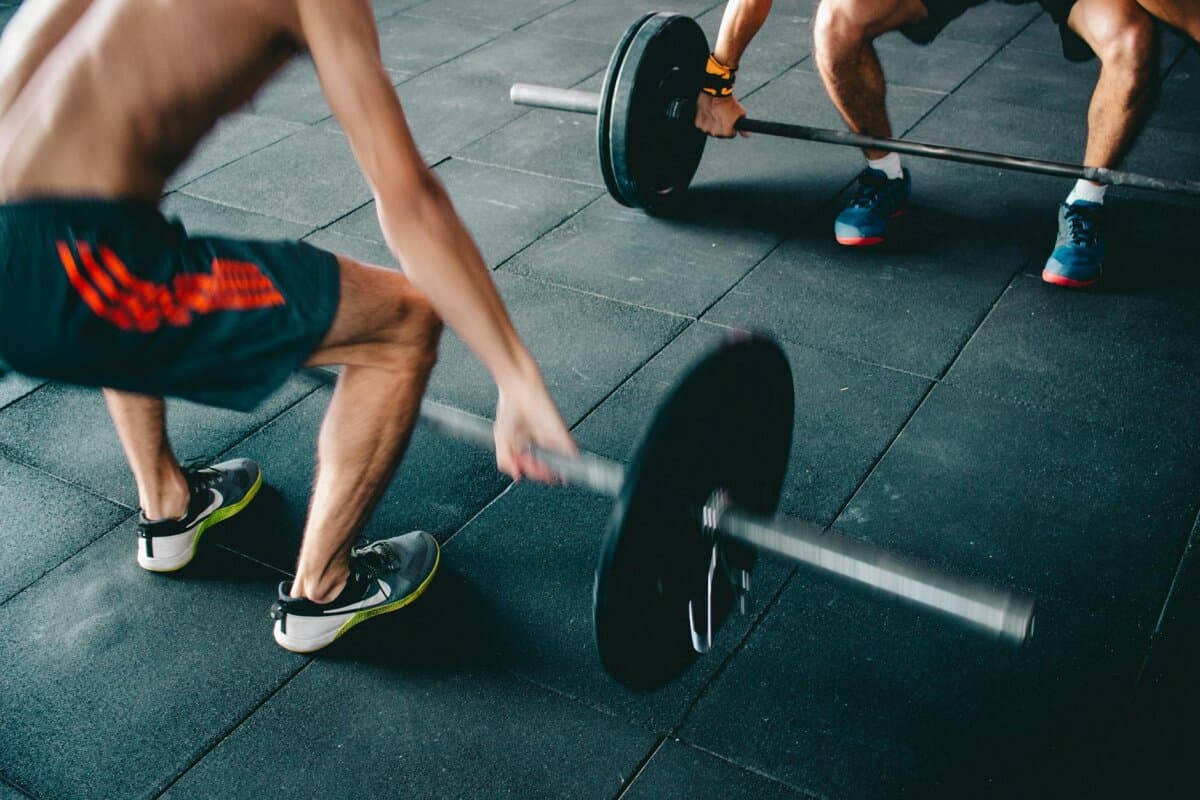
- Barbell Deadlift massive stimulus for the posterior chain and overall strength
- Barbell Bench Press cornerstone upper-body push movement
- Pull-Up builds the back, arms, and relative strength
- Overhead press (barbell or dumbbell) excellent for shoulder and core development
You don’t need to max out constantly. Focus on clean reps, controlled tempo, and gradually increasing load or volume over time.
Effective Training Splits for Skinny-Fat Individuals
Frequency matters. Training each muscle group at least twice per week tends to produce better hypertrophy outcomes.
Solid options include:
- Full-body training 3 days per week
- Upper/lower body split 4 days per week
- Push/pull/legs split if recovery is managed well
Keep sessions focused. Avoid junk volume. And track your lifts. If strength isn’t trending upward over time, something’s off.
Nutrition Guidelines for Building Muscle and Losing Fat
Training provides the signal. Nutrition provides the resources.
For recomposition, protein intake is the big lever. Research consistently supports a range of 1.6 2.2 g per kilogram of body weight per day for preserving and building lean mass.
Calories matter too but not in the way most people think.
How to Set Calories Without Stalling Progress
Forget aggressive deficits. They backfire for skinny-fat individuals.
A better approach is eating at maintenance or a mild deficit roughly 200 300 calories below maintenance. This supports training performance and recovery while still allowing gradual fat loss.
If strength is dropping, energy is low, and workouts feel flat? You’re likely under-eating.
Carbohydrates fuel training. Fats support hormones. Both matter. Don’t slash either unnecessarily.
Protein Timing and Food Quality
Spread protein intake across the day. Aim for 25 40 grams per meal, depending on body size.
Whole food sources tend to work best:
- Lean meats and poultry
- Eggs and low-fat dairy
- Fish and seafood
- Legumes and tofu
Ultra-processed foods aren’t evil, but they’re easy to overeat and low in satiety. Build your diet around foods that actually keep you full.
Recovery, Sleep, and Lifestyle Factors That Influence Recomp
This is the part most people ignore. And then wonder why progress stalls.
Sleep directly affects insulin sensitivity, appetite regulation, and muscle protein synthesis. Less than six hours per night? Fat loss gets harder. Muscle gain slows.
Chronic stress elevates cortisol, which can promote fat retention especially around the midsection.
Why Recovery Is a Hidden Fat-Loss Tool
More training isn’t always better. Better recovery often is.
Aim for 7 9 hours of sleep. Manage stress where possible. Take rest days seriously. Recomposition happens when your body can adapt.
How to Track Progress Without Obsessing Over the Scale
The scale can lie during recomposition. Muscle gain and fat loss can offset each other.
Instead, track:
- Strength trends in key lifts
- Waist, hip, and chest measurements
- Progress photos taken under consistent conditions
Expect visible changes over months, not weeks. Plateaus happen. Adjust slowly. Reacting too fast is how people sabotage good plans.
Putting It All Together
Fixing a skinny-fat physique isn’t about doing more it’s about doing the right things, consistently.
Train with intent. Eat enough protein. Fuel your workouts. Recover like it matters. Because it does.
Body recomposition isn’t flashy. But it’s sustainable. And over time, it builds a physique that actually reflects the work you put in. Stay patient. Stay consistent. The mirror will catch up.
Frequently Asked Questions
Related Articles

Shredding Naturally: How Lean Is Realistically Achievable?
Social media often promotes shredded physiques that aren’t realistic for natural lifters. This article breaks down what “shredded” really means, the natural limits of leanness, and the health trade-offs involved. Learn how lean you can realistically get without drugs and how to set sustainable, evidence-based expectations.

Lean Muscle vs Scale Weight: What Should You Prioritize?
The bathroom scale doesn’t always reflect real fitness progress. This article breaks down the difference between lean muscle and scale weight, explains why the scale can be misleading, and shows you how to choose the right metric based on your goals. Learn how to track progress smarter and stay motivated long term.

Why You Look Softer at the Same Weight (And What It Means)
If you look softer at the same weight, the scale isn’t telling the full story. Changes in muscle mass, fat distribution, training intensity, and recovery can dramatically affect how your body looks without changing the number you see. This article explains why it happens and what to focus on instead of weight alone.
Cutting Calories vs Increasing Activity: What Works Better?
The debate between cutting calories and increasing activity is one of the most common questions in fat loss. While both play a role, science shows that a calorie deficit is the foundation of weight loss. This article breaks down the pros and cons of each approach and explains why combining diet and activity leads to the most sustainable results.