Sleep Optimization Supplements That Actually Work
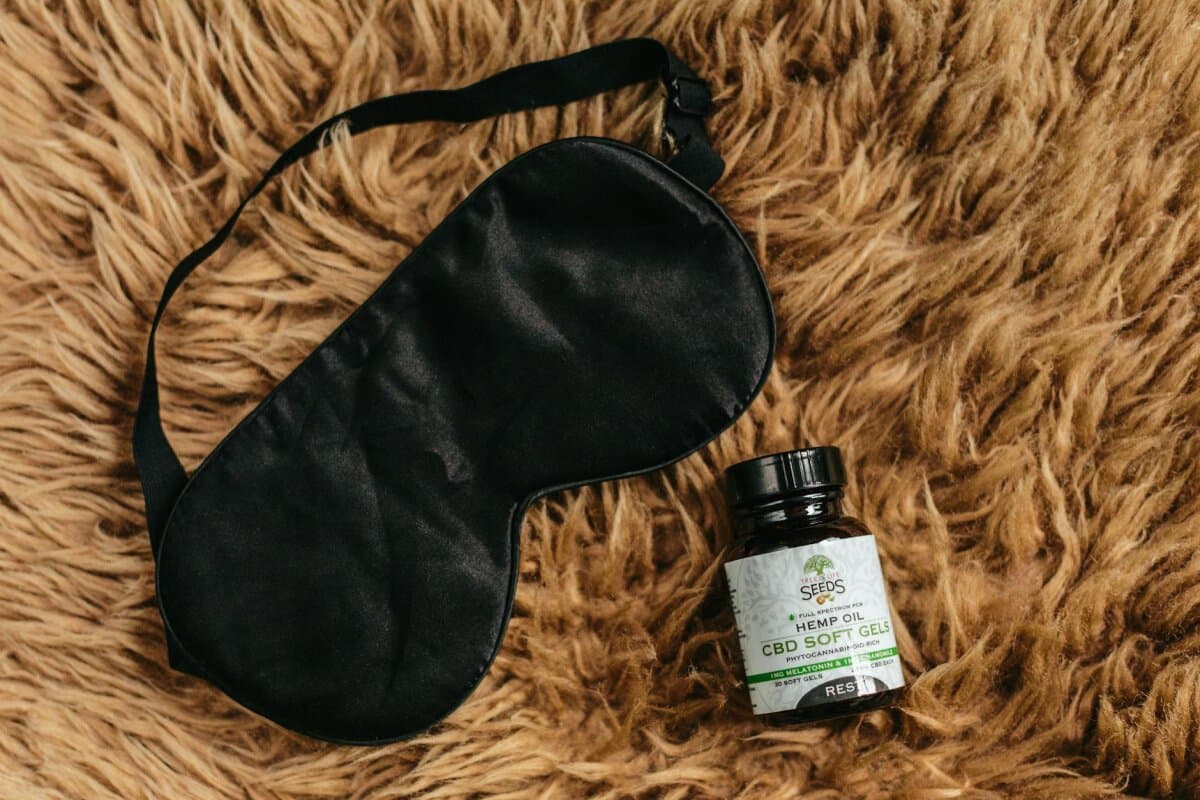
Sleep: The Most Underrated Performance Enhancer
You can crush your workouts. You can nail your macros. You can even stretch, foam roll, and walk 10k steps a day. But if your sleep is trash? Everything suffers. And yeah, that includes your gains.
Most gym-goers know sleep matters. They just don’t treat it like training. Late-night lifting sessions, aggressive pre-workouts, endless scrolling, work stress that follows you into bed it all adds up. Then morning comes, the alarm hits, and you feel like you barely recovered.
That’s where sleep supplements come in. Or at least, that’s the promise. The problem? The supplement world is packed with overhyped formulas that knock you out without actually improving sleep quality.
So let’s clear the noise. What actually works? What’s a waste of money? And how do you use sleep supplements to support recovery instead of masking bad habits?
Why Sleep Quality Is Critical for Performance and Recovery
Sleep isn’t just rest. It’s when the real adaptation happens. Muscle repair, nervous system recovery, hormone regulation all of it leans heavily on high-quality sleep.
During deep sleep, your body ramps up protein synthesis. Growth hormone pulses higher. Tissues repair. Miss out on that, and you’re basically cutting your recovery short, no matter how good your program looks on paper.
Hormones take a hit too. Poor sleep lowers testosterone and increases cortisol. Not ideal if you’re trying to build muscle or lose fat. Even one bad night can reduce insulin sensitivity and increase hunger the next day. Ever notice how cravings hit harder after a short night? That’s not willpower failing. That’s biology.
Performance suffers fast. Reaction time drops. Strength output dips. Motivation tanks. And if you train hard multiple days in a row without solid sleep? The nervous system never fully resets.
Here’s the kicker: athletes don’t just need more sleep. They need better sleep. Deep, uninterrupted, parasympathetic-dominant sleep that actually restores the system. That’s the goal.
How Sleep Supplements Actually Work (And Why Many Fail)
Not all sleep supplements do the same thing. And that’s where most people mess up.
Some supplements help you relax calming the nervous system so you can fall asleep faster. Others help regulate circadian rhythm, basically telling your body when it’s time to sleep. And a few support deeper sleep stages once you’re already out.
The mistake? Throwing everything into one mega-dose and expecting to sleep like a rock. More isn’t better. Higher doses often lead to grogginess, disrupted sleep cycles, or dependence.
Sleep is controlled largely by the nervous system. If you’re stuck in fight-or-flight high stress, high stimulants, constant mental noise no supplement can fully override that. They can help. But they can’t brute-force relaxation.
Timing matters too. Taking the right supplement at the wrong time is a waste. So is expecting immediate, dramatic results. Think support, not sedation.
Evidence-Based Sleep Supplements That Actually Work
Let’s get into the good stuff. These are supplements with real evidence behind them and real-world results for lifters and active adults.
Magnesium (Glycinate and Threonate)
If there’s a foundation supplement for sleep, this is it. Magnesium plays a key role in nervous system regulation, muscle relaxation, and GABA activity the neurotransmitter that helps you chill out.
Magnesium glycinate is the go-to for most people. It’s well absorbed and gentle on the stomach. Magnesium threonate is unique because it crosses the blood-brain barrier more effectively, which can help with mental relaxation and racing thoughts.
Deficiency is common, especially in people who train hard, sweat a lot, or consume caffeine regularly. That tight, wired-but-tired feeling at night? Often magnesium-related.
Typical dose: 200 400 mg about 30 60 minutes before bed. You’ll feel it as a subtle exhale, not a knockout punch. That’s a good thing.
Melatonin: When It Helps and When It Hurts
Melatonin isn’t a sleep drug. It’s a timing signal. It tells your body that it’s night.
For short-term issues jet lag, shift changes, late nights it can be useful. Especially at low doses. Think 0.3 to 1 mg, not the 5 10 mg bombs you see everywhere.
High-dose, chronic melatonin use can blunt natural production and lead to grogginess or fragmented sleep. Athletes often misuse it, thinking more equals deeper sleep. It doesn’t.
Use it strategically. Not nightly forever.
Ashwagandha and Stress-Reducing Adaptogens
Some sleep problems aren’t about sleep. They’re about stress.
Ashwagandha helps reduce cortisol and supports nervous system balance. For lifters who are overreached, under-recovered, or mentally fried, this can indirectly improve sleep quality.
You won’t feel sedated. You’ll feel less wound up. Which, honestly, is often what you need.
Doses around 300 600 mg per day are common, taken in the evening or split across the day.
Glycine and L-Theanine for Deeper, Calmer Sleep
Glycine is an amino acid that lowers core body temperature and supports deeper sleep stages. Many people notice better sleep quality and easier wake-ups.
L-theanine promotes relaxation without drowsiness. It pairs beautifully with magnesium, especially if your mind won’t shut off.
Typical doses: 3 5 g glycine, 100 200 mg L-theanine before bed. No hangover. No fog.
Popular Sleep Supplements That Are Overhyped or Misused
Let’s talk about what doesn’t work or works poorly.
Heavy sedatives and antihistamines might knock you out, but they reduce REM sleep and leave you feeling worse the next day. That’s not recovery.
Proprietary blends are another issue. Underdosed ingredients, flashy labels, zero transparency. You’re paying for marketing, not results.
High-dose melatonin falls into this category too. It’s not evil, just misused. Same goes for random herbal stacks thrown together without purpose.
And dependency is real. If you can’t sleep without a massive stack, something’s off. Supplements should support your system, not replace it.
How to Stack Sleep Supplements for Maximum Results
You don’t need a cabinet full of powders. Simple stacks work best.
- For stress and overthinking: Magnesium + L-theanine
- For light, restless sleep: Magnesium + glycine
- For high stress and heavy training: Magnesium + ashwagandha
If you train late, timing matters even more. Take calming supplements post-workout, not right before bed, to help shift out of sympathetic mode.
Pair supplements with light evening stretching, yoga-style recovery work, or slow breathing drills. Trust me this combo works better than any pill alone.
A simple post-workout night routine might look like this: hydrate, eat a carb-focused dinner, stretch lightly, take magnesium and glycine, dim the lights, and breathe. Boring? Maybe. Effective? Absolutely.
Why Supplements Only Work When Sleep Hygiene Is Dialed In
This part matters more than any supplement.
Consistent sleep and wake times anchor your circadian rhythm. Irregular schedules confuse your nervous system, no matter what you take.
Caffeine has a long half-life. That afternoon pre-workout might still be active at midnight. Screens don’t help either bright light delays melatonin release.
Your bedroom should feel like a recovery space. Cool. Dark. Quiet. If it feels like a second office, sleep will suffer.
Supplements are tools. Not excuses. Use them to enhance good habits, not compensate for bad ones.
Final Thoughts: Smarter Sleep for Better Gains
Sleep optimization isn’t sexy. There’s no PR attached to it. But it might be the most powerful performance upgrade you’re ignoring.
The right supplements magnesium, glycine, L-theanine, strategic melatonin can make a real difference. Especially when stress and hard training pile up.
But the magic happens when supplements support a solid routine. Better sleep leads to better recovery. Better recovery leads to better training. And better training? That’s where results actually come from.
Sleep smarter. Your body will thank you.
Frequently Asked Questions
Related Articles
Creatine Monohydrate Guide: Dosage, Timing, and Safety
Creatine monohydrate is one of the most effective and well-researched supplements for strength, power, and muscle growth. This guide breaks down exactly how creatine works, how much to take, when to take it, and what the science says about long-term safety. Learn how to use creatine correctly for better performance and results.
Best Protein Powder 2026: Whey vs Isolate vs Plant
Protein powder continues to be a staple supplement for strength training and general fitness in 2026. This guide compares whey, whey isolate, and plant-based protein powders to help you choose the best option based on muscle growth, digestion, lifestyle, and dietary preferences.

Caffeine Tolerance: How to Reset It for Better Training
Caffeine is one of the most popular performance boosters in training, but daily use can quietly reduce its benefits. This article explains how caffeine tolerance develops and how it impacts strength, endurance, and focus. Learn proven strategies to reset caffeine tolerance and use it more effectively for long-term training progress.
Supplement Cycling Strategies to Avoid Workout Plateaus
Workout plateaus are often linked to overused supplements and rising tolerance. Supplement cycling is a smart strategy to restore effectiveness, protect recovery, and support long-term performance. Learn which supplements to cycle, which to keep consistent, and how to align them with your training goals.