Best Supplements for Beginners: What to Buy First

Best Supplements for Beginners: What to Buy First
Walk into any supplement store or scroll fitness TikTok for five minutes and you’ll feel it. The overwhelm. Bright tubs, bold claims, and promises that sound almost too good to be true. Burn fat fast. Build muscle overnight. Boost testosterone naturally. And if you’re new to the gym, it’s easy to think, “Am I already behind if I’m not taking all this stuff?”
Let’s slow that down. Way down.
Supplements can help. Sure. But they’re tools, not shortcuts. And for beginners, the smartest move isn’t buying more it’s buying less, but buying the right things. Safe. Simple. Proven.
This guide is here to cut through the noise and show you exactly what matters, what doesn’t, and what you can confidently skip for now. No hype. No scare tactics. Just real-world advice from the gym floor.
What Supplements Are (and What They Are Not)
First things first what is a supplement?
A supplement is exactly what the name says. It supplements your diet. It fills gaps. It supports training. It does not replace real food, hard workouts, or decent sleep. And it definitely doesn’t magically fix inconsistent habits.
If you’re lifting weights, doing push-ups in your living room, or learning compound movements like the Barbell Bench Press and Barbell Deadlift, your progress will come mostly from showing up and eating enough not from what’s in your shaker bottle.
Supplements vs Real Food
Real food does the heavy lifting. Protein from chicken, eggs, yogurt, beans. Carbs from rice, potatoes, fruit. Fats from nuts and olive oil. These give your body energy, nutrients, and satisfaction.
Protein powder? It’s just food in powdered form. Convenient, yes. Magical, no.
If your meals are already solid, supplements play a smaller role. If your nutrition is shaky, supplements can help cover gaps but they’re still not a free pass.
Why Beginners Are Often Over-Marketed
Here’s the uncomfortable truth: beginners are the easiest target.
You don’t yet know what works, what’s normal, or how slow real progress can be. So when a label promises fast results, it feels tempting. Trust me, most of those products are selling hope, not results.
And beginners actually respond better to basics. Your body adapts fast in the first months. You don’t need advanced stacks to grow.
Protein Powder: The First Supplement Most Beginners Buy
If there’s one supplement that makes sense early on, it’s protein powder. Not because it’s fancy but because it’s practical.
Protein helps repair muscle after training, supports recovery, and keeps you full. When you start working out whether it’s bodyweight squats, Push-Ups, or your first bench press sessions your protein needs usually go up.
And that’s where protein powder shines. Convenience.
Whey Protein vs Plant-Based Protein
Whey protein is the most popular option. It digests well, tastes good, and is rich in leucine, an amino acid linked to muscle growth. For most beginners, whey concentrate or isolate is a safe bet.
Plant-based protein (pea, rice, soy blends) works great if you’re vegan, lactose intolerant, or just prefer it. Quality has improved a lot. The key is choosing a blend, not a single-source powder.
Bottom line? Pick the one your stomach tolerates and you’ll actually use. That matters more than label debates.
When and How to Use Protein Powder
You don’t need a post-workout ritual with dramatic shaker slams.
Protein powder can be used anytime you’re short on protein. After training? Fine. With breakfast? Also fine. As a snack between meetings? Perfect.
Most beginners do well aiming for roughly 0.6 0.8 grams of protein per pound of bodyweight per day. You don’t need to hit it perfectly. Close counts.
Use protein powder to fill gaps not to replace meals.
Common Protein Mistakes Beginners Make
- Drinking shakes but skipping real meals
- Buying massive tubs with flavors they hate
- Thinking more protein automatically means more muscle
Protein supports growth. Training triggers it. Don’t flip those roles.
Creatine for Beginners: Benefits, Safety, and Myths
Creatine might be the most misunderstood supplement in fitness. And also the most researched.
Creatine monohydrate helps your muscles produce energy during short, intense efforts like lifting weights, sprinting, or grinding through your last reps on deadlifts.
Simple. Effective. Affordable.
How Creatine Helps Strength Training
Creatine doesn’t make you huge overnight. What it does is help you perform slightly better.
An extra rep. A bit more weight. Better recovery between sets.
Over weeks and months, those small improvements add up. Especially when you’re learning big movements like the bench press or deadlift.
That’s why creatine shines in beginner strength training it supports the work you’re already doing.
Is Creatine Safe for Beginners?
Yes. For healthy individuals, creatine monohydrate is one of the safest supplements available.
Common myths? Let’s clear them up:
- “It hurts your kidneys” Not supported by research in healthy people
- “It’s a steroid” Absolutely not
- “You need to load it” You don’t
Take 3 5 grams per day. Anytime. With water or food. Done.
You might gain a little water weight inside the muscle. That’s normal. And temporary.
Basic Health Supplements Beginners May Consider
Not all supplements are about performance. Some are about health and those often get overlooked.
Depending on your diet, lifestyle, and sun exposure, a few basic options might help you feel better overall.
Multivitamins: Helpful or Unnecessary?
If your diet is inconsistent or limited, a basic multivitamin can act as insurance.
It won’t give you energy. It won’t build muscle. But it may help cover small nutrient gaps.
Think of it as a seatbelt not a turbo engine.
Omega-3s and Vitamin D for Overall Health
Omega-3 fatty acids support heart health, joints, and inflammation. If you don’t eat fatty fish regularly, supplementation can make sense.
Vitamin D is another common deficiency, especially if you spend most days indoors. Low levels can affect mood, immunity, and even training recovery.
These supplements won’t boost your bench overnight but they support the foundation.
Supplements Beginners Should Avoid (or Delay)
This might save you the most money.
Many supplements are marketed aggressively to beginners because they promise fast change. Unfortunately, most deliver very little.
Why Fat Burners Don’t Work as Advertised
Fat burners usually rely on stimulants. Caffeine. Herbal blends. Fancy labels.
They might suppress appetite or increase heart rate slightly. But they don’t override calories, habits, or consistency.
Worse? They can mess with sleep, increase anxiety, and make beginners think supplements not nutrition drive fat loss.
The Problem with Hormone and Detox Supplements
Testosterone boosters and detox products are mostly marketing.
Your body already detoxes itself. Your hormones respond to sleep, training, stress, and food not mystery capsules.
If it sounds dramatic, urgent, or secret… be skeptical.
Beginner Supplement Buying Priority: What to Buy First
If you want a clear, no-nonsense checklist, here it is.
Simple Supplement Checklist for New Gym-Goers
- Buy first: Protein powder (if you struggle to hit protein)
- Buy next: Creatine monohydrate
- Optional: Multivitamin, omega-3s, vitamin D
- Skip for now: Fat burners, detoxes, hormone boosters
That’s it. You don’t need a cabinet full of tubs to make progress.
Final Thoughts: Keep It Simple and Consistent
Here’s the truth most supplement ads won’t tell you.
You can build strength, muscle, and confidence without taking a single supplement. Plenty of people do.
Supplements are optional tools. Helpful but not mandatory.
If you train consistently, eat enough protein, sleep like it matters (because it does), and stick with the basics, you’re already ahead of the game.
Build habits first. Add supplements later. And remember progress comes from what you do most days, not what you buy once.
Frequently Asked Questions
Related Articles
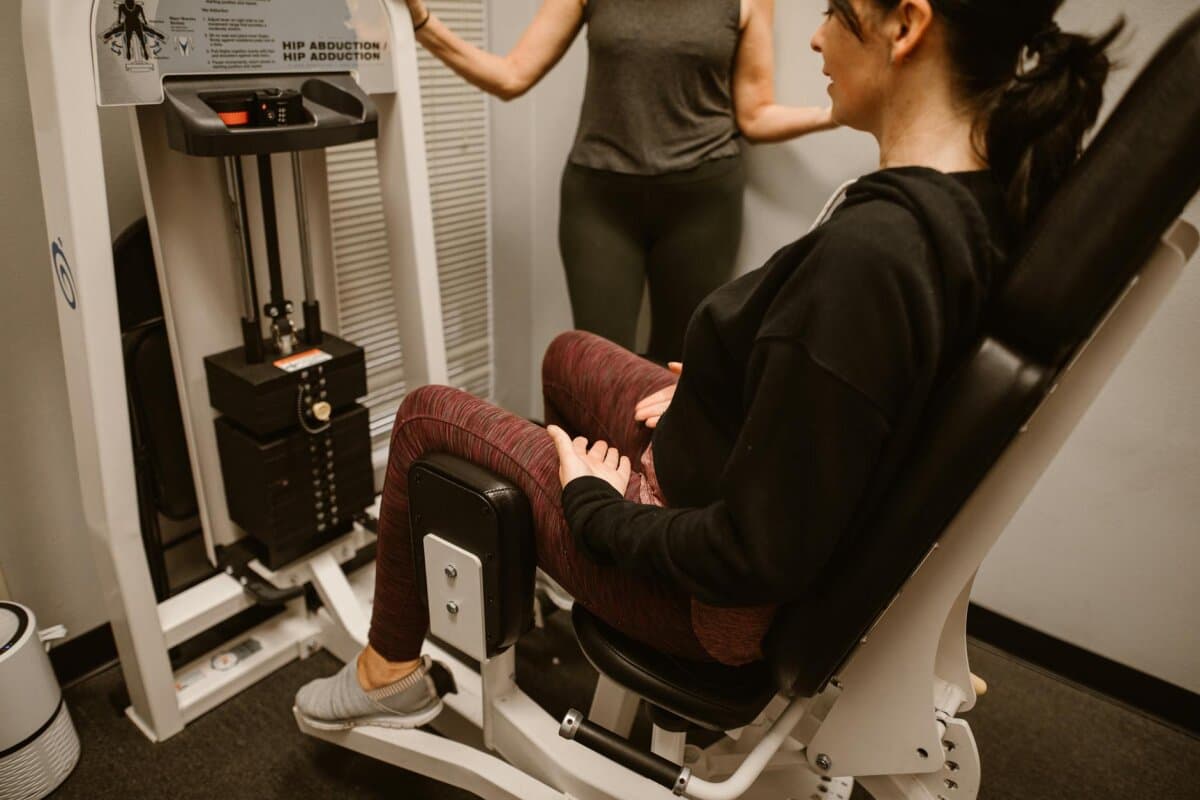
How to Optimize Lifting Technique With Biomechanics
Biomechanics offers a smarter way to improve lifting technique by understanding how your body moves under load. By applying principles like leverage, balance, and joint alignment, lifters can build strength more efficiently while reducing injury risk. This guide shows how to use biomechanics to refine form in major compound lifts.
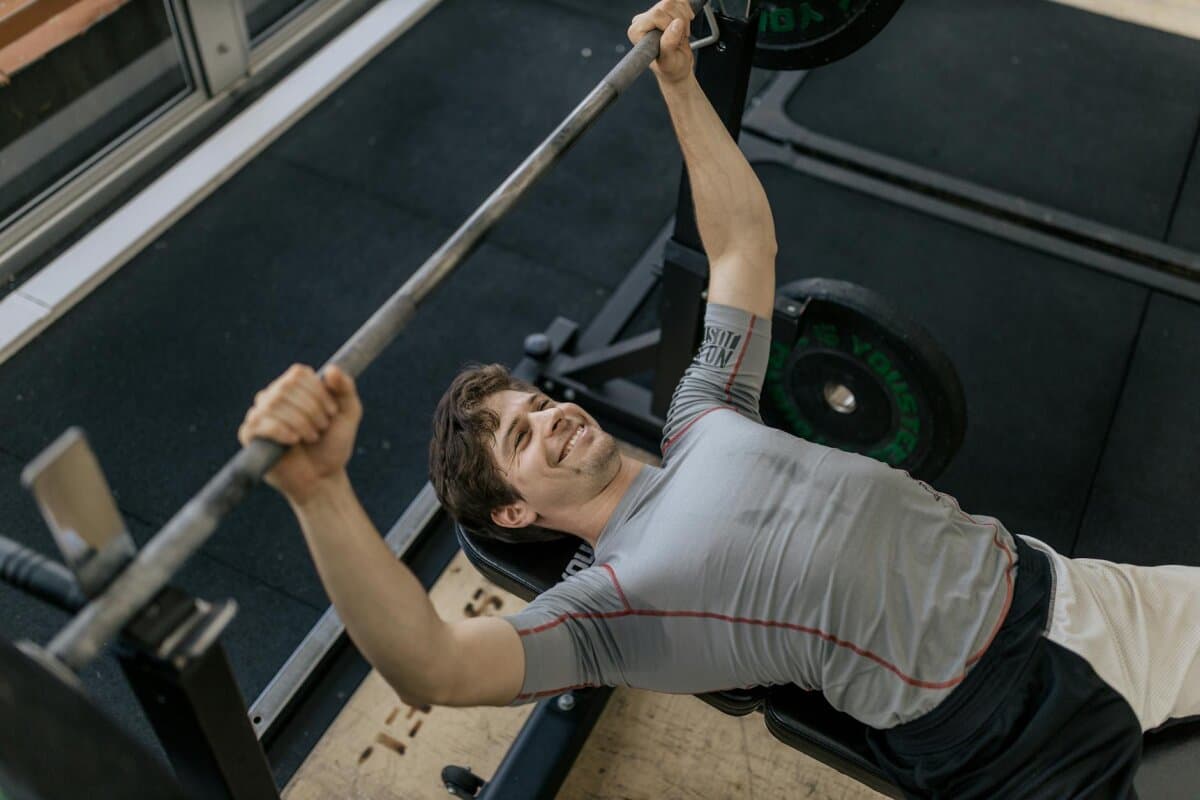
Repetition Effort Method Explained for Hypertrophy and Strength
The repetition effort method is a proven training approach that uses moderate weights and high reps taken close to failure to stimulate muscle growth. Popular in both bodybuilding and strength training systems, it builds size, work capacity, and long-term strength. Learn how to program it effectively for hypertrophy-focused results.
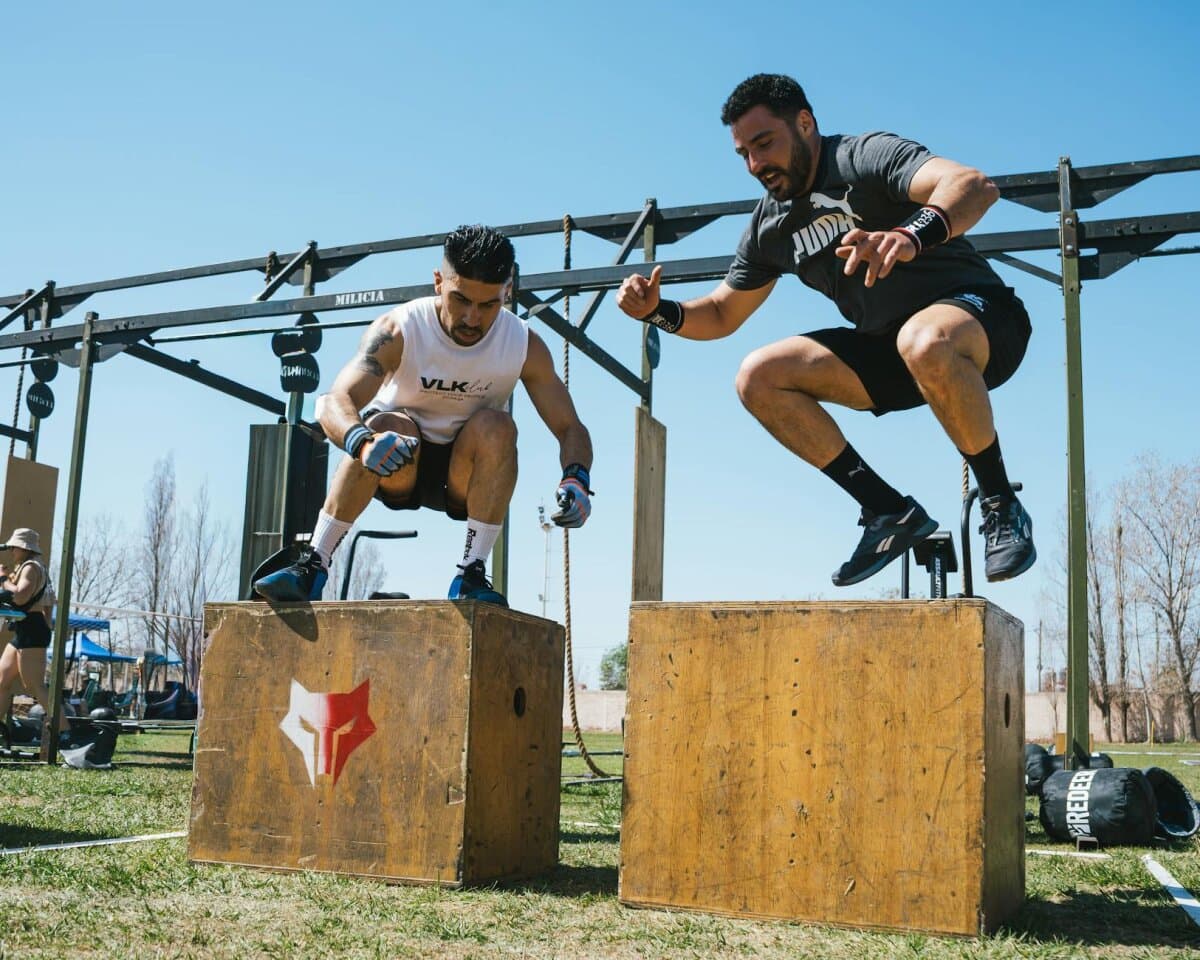
Velocity Based Training: Auto-Regulate Like a Pro
Velocity based training is a data-driven approach that uses bar speed to auto-regulate load, volume, and intensity. Instead of guessing based on percentages, VBT helps lifters train according to real-time performance. Learn how to apply velocity metrics to build strength, manage fatigue, and progress smarter.
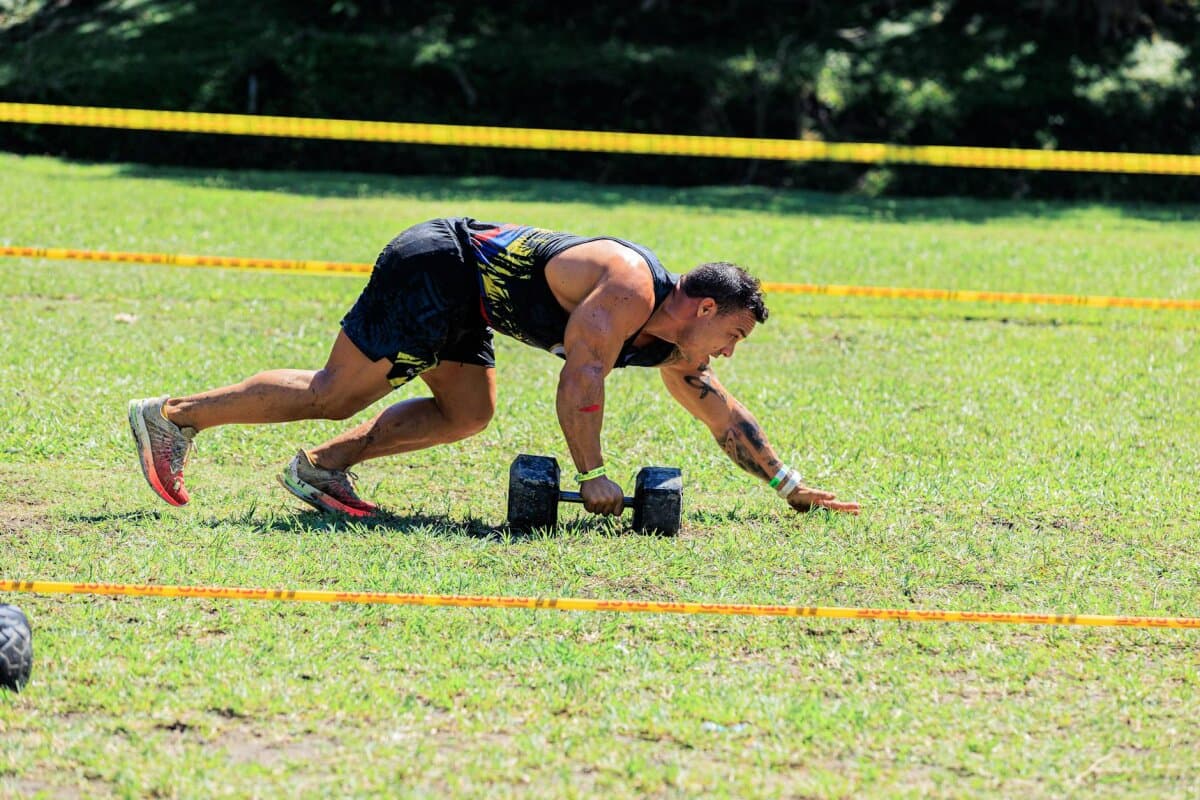
Neural Drive Enhancement for Explosive Strength Training
Explosive strength is driven as much by the nervous system as by muscle size. This article explains how neural drive influences power output and how targeted training methods can improve explosive performance. Learn how to program heavy lifts, speed work, and recovery for long-term strength gains.