Can You Spot-Reduce Belly Fat? Science Says No

Belly fat. Just saying it is enough to make a lot of people sigh.
You can train hard, eat better than you used to, and still feel like that stubborn area around your waist refuses to budge. So what’s the natural reaction? More ab workouts. More crunches. More planks. Maybe even a “burn belly fat fast” program that promises miracles in 14 days.
And honestly, it sounds reasonable. Work the area you want to change, and the fat there should melt away. Right?
Well… not exactly. And that’s not because you’re lazy or doing something wrong.
Spot reduction trying to lose fat from one specific area by training it is one of the biggest myths in fitness. It’s everywhere in marketing. But when you look at the actual science behind fat loss, the story is very different. Let’s break it down, step by step, without the fluff.
What Is Spot Reduction?
Spot reduction is the idea that you can burn fat in a specific body area by exercising the muscles underneath it. Want flatter abs? Do more ab exercises. Want slimmer thighs? Hammer leg workouts. Arms looking soft? Endless arm circuits.
It’s a comforting belief. Simple. Direct. And very appealing.
Unfortunately, the body doesn’t work that way. Fat loss isn’t local. It’s systemic. Meaning when you lose fat, it comes off your entire body based on factors you don’t fully control.
Why Spot Reduction Sounds Logical
Think about it. When you train your legs, they burn. When you do core work, your abs feel tight and sore. There’s heat. There’s sweat. So it feels like something must be happening right there.
And yes, something is happening muscle activation, blood flow, and fatigue. But fat loss? That’s a whole different process.
Fat cells don’t care which muscle you’re using. They respond to hormones and energy demand, not sit-ups.
Common Examples: Abs, Thighs, and Arms
The most common spot-reduction targets are the belly, hips, thighs, and upper arms. You’ve seen the ads. “Lose lower belly fat.” “Slim your inner thighs.” “Tone arm fat.”
What they usually deliver is muscle endurance and a great burn. What they don’t deliver is localized fat loss.
That’s not your fault. It’s just biology.
How Fat Loss Actually Works in the Body
Here’s where things get real.
Fat loss happens when your body needs more energy than it’s getting from food. To make up the difference, it releases stored energy from fat cells across your entire body.
No switch. No steering wheel. No “take it from the belly first” option.
Calorie Deficit and Energy Balance Explained
A calorie deficit simply means you’re burning more calories than you consume over time. That’s it. No magic.
When that happens, hormones signal fat cells to release fatty acids into the bloodstream. Those fatty acids can then be used by working muscles, your heart, your liver wherever energy is needed.
Notice something important here? Fat is released into circulation. Not straight from your abs into your abs.
This is why overall movement matters so much. Full-body training. Daily activity. Cardio. Strength work. It all adds up.
Why You Can’t Choose Where Fat Comes Off
Where you lose fat first and last is heavily influenced by genetics, sex, and hormones. Some people lean out in their face quickly. Others lose it from their legs first. Many hold onto belly fat until the very end.
Annoying? Absolutely.
But fighting your biology with endless ab circuits just leads to frustration. Trust me on this.
Why Belly Fat Is So Stubborn
If belly fat feels especially hard to lose, that’s not in your head.
The abdominal area is biologically designed to store fat, particularly in times of stress or excess energy. And there’s more than one type of belly fat, too.
Visceral vs. Subcutaneous Belly Fat
Subcutaneous fat is the soft fat you can pinch under the skin. This is the kind most people are trying to get rid of for aesthetic reasons.
Visceral fat sits deeper, around your internal organs. It’s more metabolically active and linked to health risks like insulin resistance and heart disease.
Both types respond to overall fat loss, not targeted exercise. You can’t crunch your way through either one.
Stress, Sleep, and Hormones
Chronic stress raises cortisol levels. Poor sleep does the same. And cortisol is strongly associated with fat storage around the midsection.
This is why someone can be training hard but still struggle with belly fat if they’re constantly stressed, under-slept, or under-eating.
Fat loss isn’t just about workouts. It’s about recovery, too.
What Scientific Studies Say About Spot Reduction
So what does research actually show?
Over and over again, studies have tested spot reduction by having participants train one limb or body part intensely while leaving the other side untouched. The results are consistent and not what spot-reduction fans want to hear.
Classic Studies on Ab Training and Fat Loss
In one well-known study, participants performed thousands of abdominal repetitions over several weeks. Ab strength improved. Endurance improved. But belly fat? No significant change compared to control groups.
Similar results have been seen with arms and legs. You can grow muscle under the fat. You can get stronger. But the fat layer doesn’t selectively shrink.
That’s why the spot reduction myth has been debunked for decades.
Muscle Activation vs. Fat Reduction
Training a muscle increases blood flow and metabolic activity in that area. That’s real. But fat loss depends on hormone-sensitive lipase activity and total energy demand.
In plain English? Just because a muscle is working doesn’t mean the fat above it is being used as fuel.
What Core and Strength Training Really Do
Now, before you ditch core training entirely don’t.
Core work and strength training are incredibly valuable. Just not for the reason most people think.
Why Planks and Crunches Don’t Burn Belly Fat
Core exercises build strength, stability, and muscle tone. Moves like crunches or plank variations can help your abs become thicker and stronger underneath the fat.
For example, exercises like the Jack Plank challenge your core and shoulders at the same time. You’ll feel it. Deep.
But feeling the burn doesn’t equal fat loss. Abs are revealed when overall body fat drops not when you hit a magic rep number.
How Squats and Deadlifts Support Fat Loss
Big compound lifts are a different story.
Exercises like the Barbell Full Squat and the Barbell Deadlift recruit massive amounts of muscle. Legs, glutes, back, core. Everything works.
That increases total calorie expenditure and sends a strong signal to maintain muscle while losing fat. Over time, that’s what helps the waistline shrink.
What Actually Works for Losing Belly Fat
So if spot reduction is off the table, what actually works?
The boring stuff. The effective stuff. The stuff that doesn’t fit neatly into flashy ads.
Effective Workouts for Overall Fat Loss
Full-body resistance training, combined with cardio you actually enjoy, is a powerful combo.
- Strength training 2 4 times per week
- Compound movements that hit multiple muscle groups
- Cardio like running, cycling, or jump rope to increase energy expenditure
You don’t need to destroy yourself every session. Consistency beats intensity spikes every time.
Lifestyle Factors That Affect Belly Fat
This part gets ignored way too often.
- Sleep 7 9 hours when possible
- Manage stress with walks, breathing, or downtime
- Eat enough protein to support muscle
- Avoid extreme calorie cuts that backfire
Fat loss is a long game. And the belly is usually the last place to show it.
The Bottom Line on Spot Reduction
Spot reduction isn’t real. But your effort is.
If you’ve been grinding through ab workouts and feeling discouraged, it’s not because you lack discipline. It’s because you were sold a myth.
When you understand how fat loss actually works, everything gets clearer and calmer. You stop chasing quick fixes and start building habits that work with your body, not against it.
Train hard. Recover well. Be patient.
The belly fat will go when your body is ready. And when it does, it’ll be because you did the right things consistently not because of a thousand crunches.
Frequently Asked Questions
Related Articles
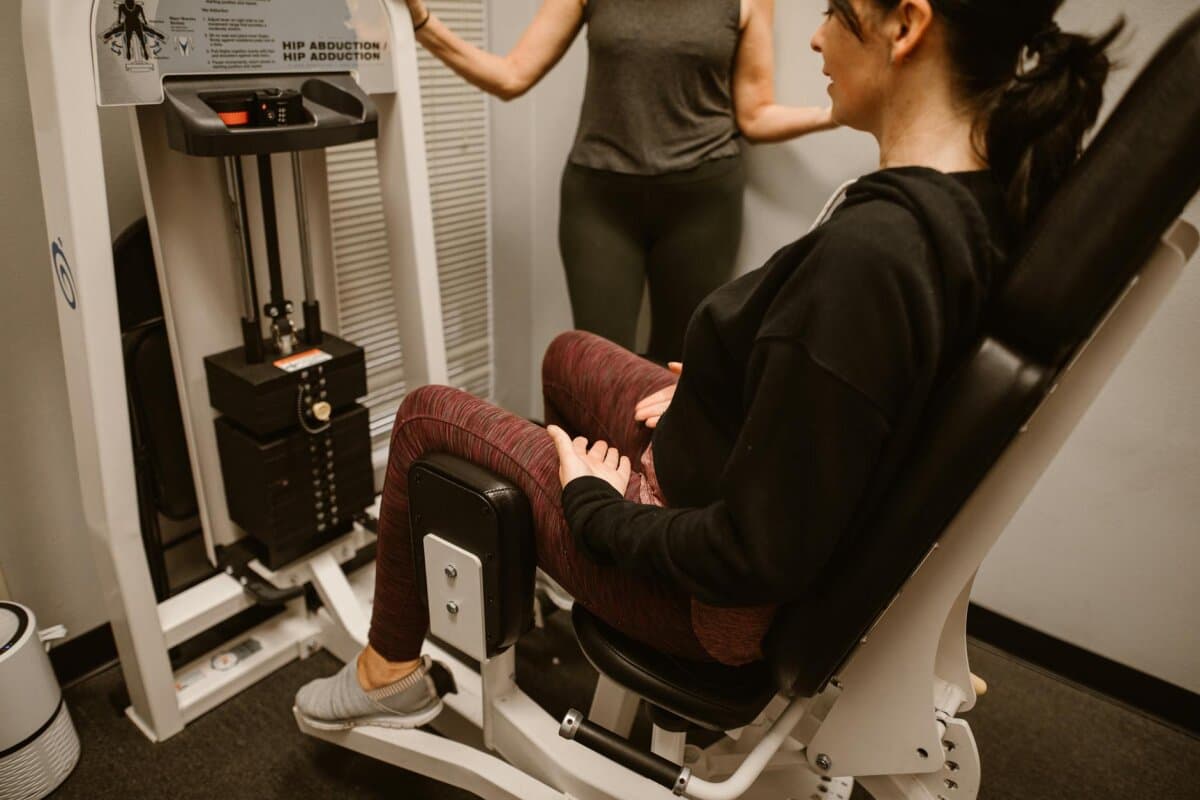
How to Optimize Lifting Technique With Biomechanics
Biomechanics offers a smarter way to improve lifting technique by understanding how your body moves under load. By applying principles like leverage, balance, and joint alignment, lifters can build strength more efficiently while reducing injury risk. This guide shows how to use biomechanics to refine form in major compound lifts.
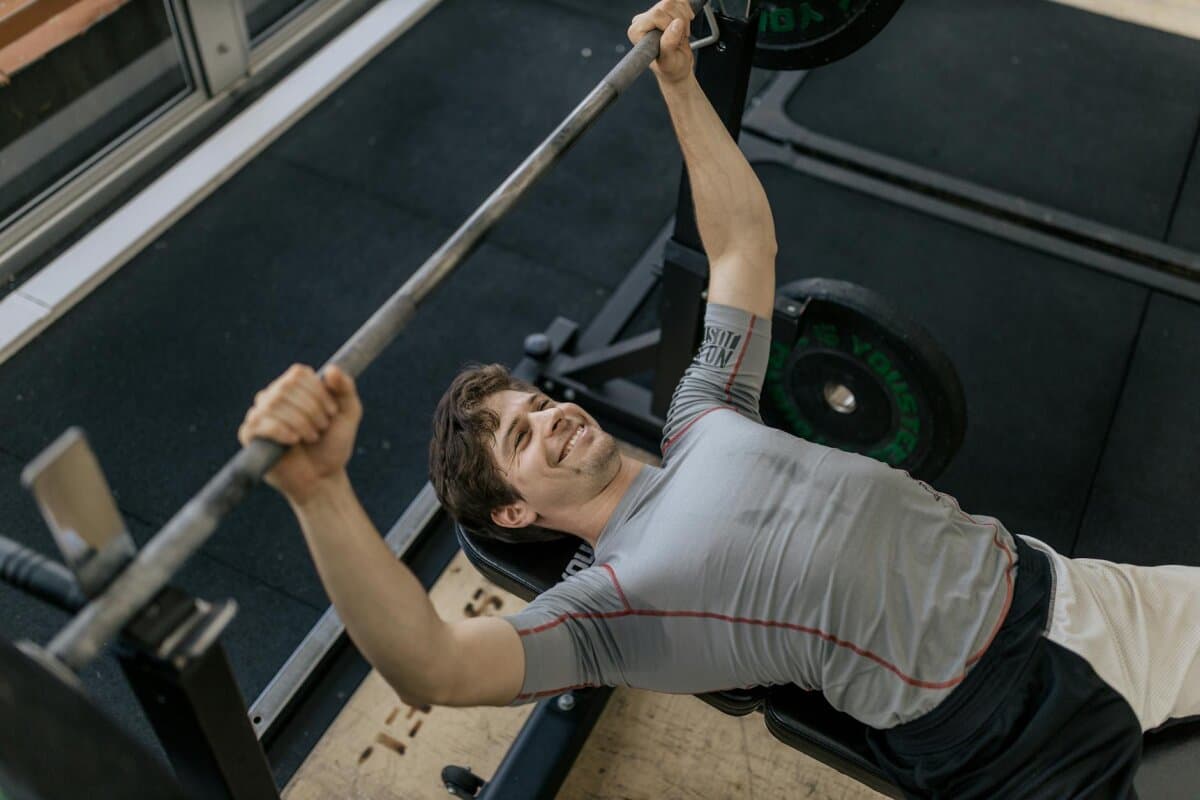
Repetition Effort Method Explained for Hypertrophy and Strength
The repetition effort method is a proven training approach that uses moderate weights and high reps taken close to failure to stimulate muscle growth. Popular in both bodybuilding and strength training systems, it builds size, work capacity, and long-term strength. Learn how to program it effectively for hypertrophy-focused results.
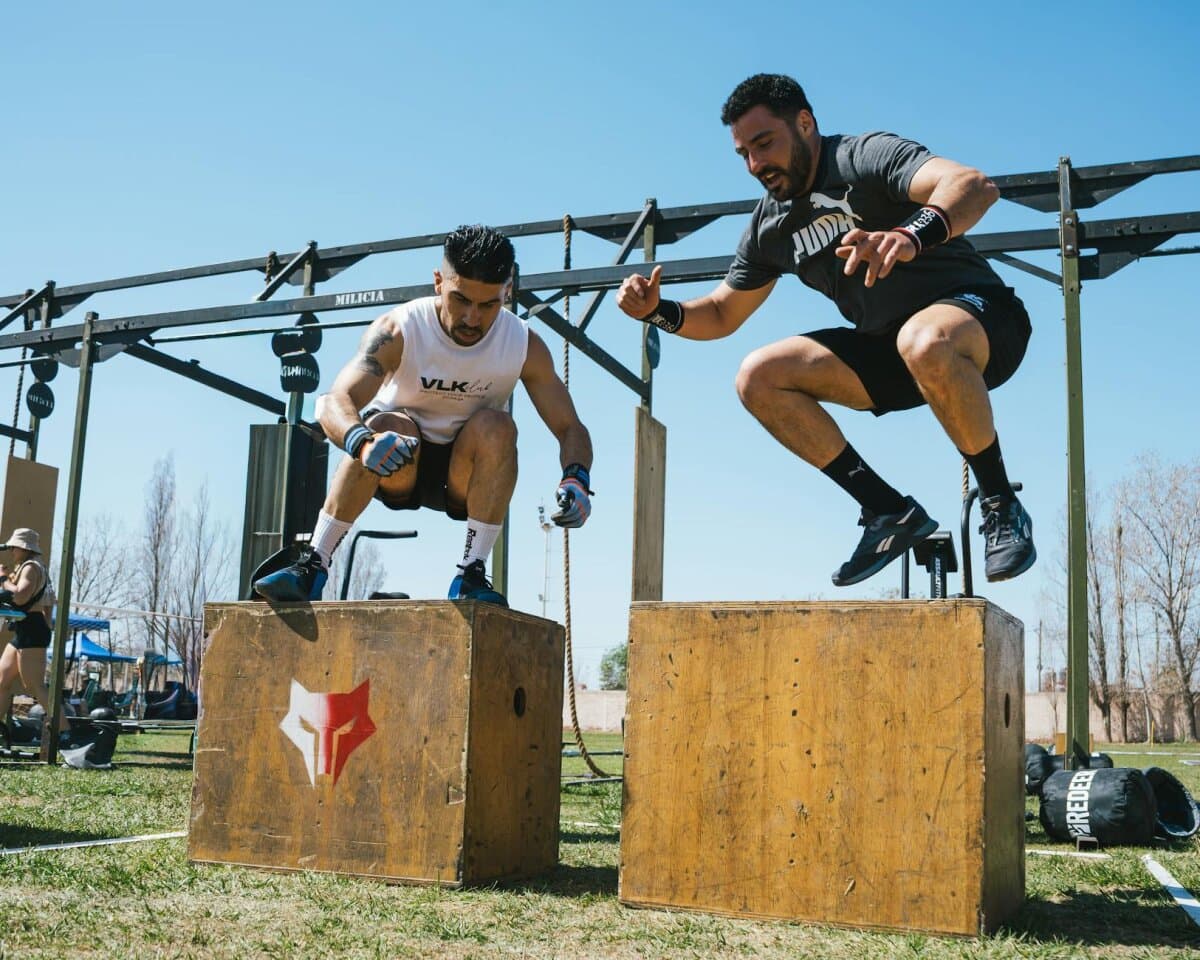
Velocity Based Training: Auto-Regulate Like a Pro
Velocity based training is a data-driven approach that uses bar speed to auto-regulate load, volume, and intensity. Instead of guessing based on percentages, VBT helps lifters train according to real-time performance. Learn how to apply velocity metrics to build strength, manage fatigue, and progress smarter.
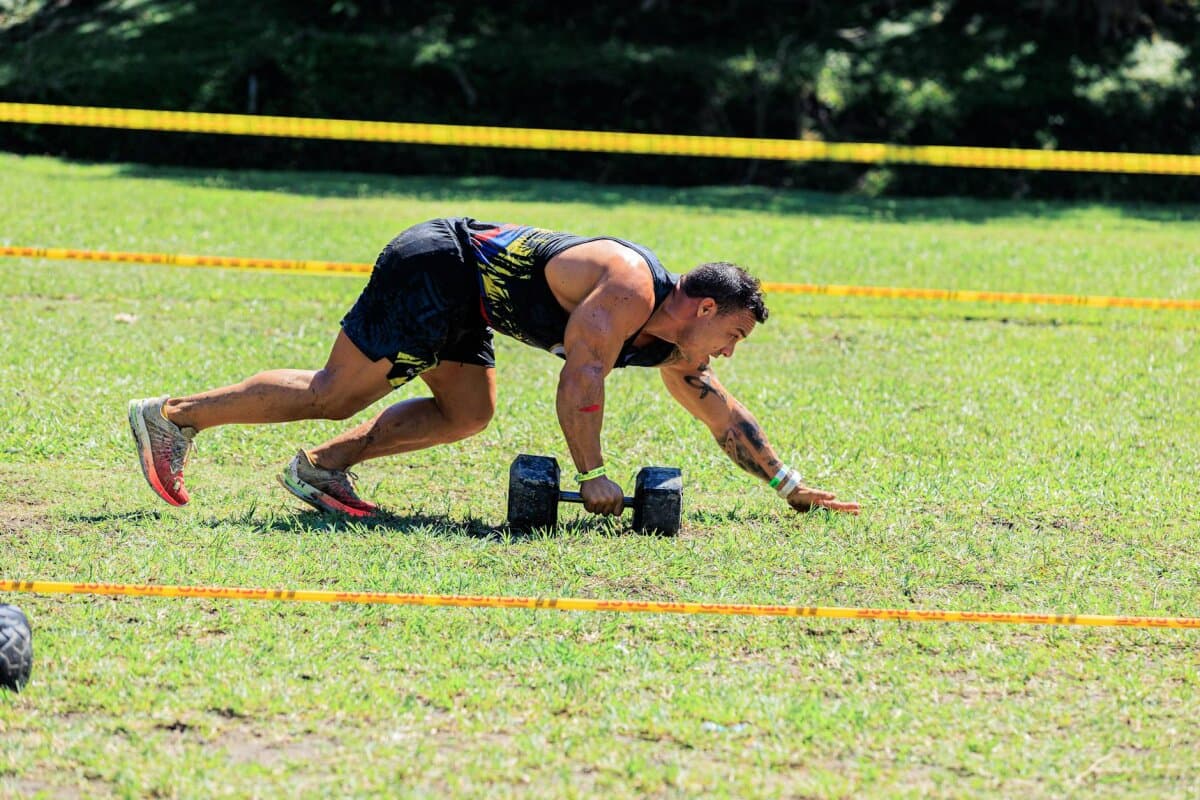
Neural Drive Enhancement for Explosive Strength Training
Explosive strength is driven as much by the nervous system as by muscle size. This article explains how neural drive influences power output and how targeted training methods can improve explosive performance. Learn how to program heavy lifts, speed work, and recovery for long-term strength gains.