Fitness Myths Debunked: 25 Claims You Should Stop Believing

Fitness Myths Debunked: 25 Claims You Should Stop Believing
Walk into any gym. Scroll social media for five minutes. Chat with that well-meaning friend who’s been “lifting for years.” You’ll hear them. Fitness myths. Loud. Confident. And usually wrong.
The frustrating part? A lot of these ideas sound logical. They feel true. Sweat equals fat loss, right? More workouts mean faster results… obviously. Except the human body doesn’t work on vibes and gym folklore.
Here’s the good news. Once you understand a few basics about how muscles grow, how fat loss actually happens, and how recovery works, most myths fall apart fast. Like, instantly. And that knowledge saves you time, energy, and a whole lot of unnecessary frustration.
Let’s clear the air. One myth at a time.
Why Fitness Myths Refuse to Die
If exercise science has come so far, why are we still arguing about spot reduction and whether squats wreck your knees?
Simple. Myths spread easier than facts.
Old research gets recycled. Studies get cherry-picked. Someone sees results doing something extreme, posts about it, and suddenly it’s “the secret.” Add a few before-and-after photos and boom instant credibility.
The Role of Social Media and Influencers
Social media loves simple answers. Do this one move. Eat this one food. Train this one way. It gets clicks.
But fitness is messy. Progress depends on consistency, context, genetics, sleep, stress, and about a dozen other variables. That doesn’t fit neatly into a 30-second reel.
So nuance gets sacrificed. And myths thrive.
Why Anecdotes Often Beat Evidence
“It worked for me” is powerful. Relatable. Human.
The problem? Individual results don’t equal universal truth. Your friend might have lost weight doing hours of cardio because they also started eating less, sleeping more, or simply training consistently for the first time.
Correlation isn’t causation. But our brains love to think it is.
Fat Loss Myths That Sabotage Progress
Fat loss is where misinformation really goes wild. Probably because everyone wants faster results.
Understand this first: fat loss is about energy balance over time. Not sweat. Not soreness. Not suffering.
Myth 1 5: Spot Reduction, Sweat, and the Fat-Burning Zone
Myth 1: You can spot-reduce fat.
Nope. Doing endless ab work won’t magically melt belly fat. Fat loss happens systemically, not locally. You can strengthen your core with crunches, sure. But fat comes off where your body decides. Genetics wins this one.
Myth 2: Sweating means you’re burning fat.
Sweat is your body cooling itself. That’s it. You can sweat buckets and burn very few calories. Or barely sweat and still have a productive session.
Myth 3: The fat-burning zone is the only way to lose fat.
Lower-intensity cardio uses a higher percentage of fat as fuel, but total calorie burn matters more. Higher-intensity work can burn more calories overall, which still supports fat loss.
Myth 4: You must do cardio to lose fat.
Cardio helps. It’s not mandatory. Strength training plays a massive role by preserving muscle and increasing total daily energy expenditure.
Myth 5: More sweat means a better workout.
Trust me on this chasing sweat usually leads to bad programming and burnout.
Myth 6 9: Cardio Addiction and Fasted Workouts
Myth 6: More cardio equals faster fat loss.
Excessive cardio often backfires. Recovery suffers. Hunger spikes. Strength drops. Consistency disappears.
Myth 7: Fasted cardio burns more fat.
You might burn slightly more fat during the session, but overall fat loss across weeks is basically the same. Pick what you can stick to.
Myth 8: Running destroys muscle.
Moderate running won’t eat your gains especially if you lift and eat enough. Something like Treadmill Running can absolutely coexist with strength training.
Myth 9: You need to feel exhausted to lose fat.
Effective training doesn’t always feel dramatic. Consistent, repeatable effort wins.
Muscle Building Myths That Limit Gains
Muscle growth is slower than fat loss. That patience gap is where myths sneak in.
Myth 10 14: Heavy Weights, Bulking, and Gender Myths
Myth 10: Lifting heavy makes you bulky.
Building noticeable muscle takes years, not weeks. Heavy lifting mainly makes you stronger and more defined.
Myth 11: Women shouldn’t lift heavy.
False. Women don’t have the testosterone levels to accidentally become huge. Strength training improves bone density, confidence, and body composition.
Myth 12: Muscle turns into fat when you stop training.
Muscle and fat are different tissues. One doesn’t morph into the other. You just lose muscle and may gain fat if activity drops.
Myth 13: You must bulk to build muscle.
A slight calorie surplus helps, but beginners can build muscle even at maintenance or a small deficit.
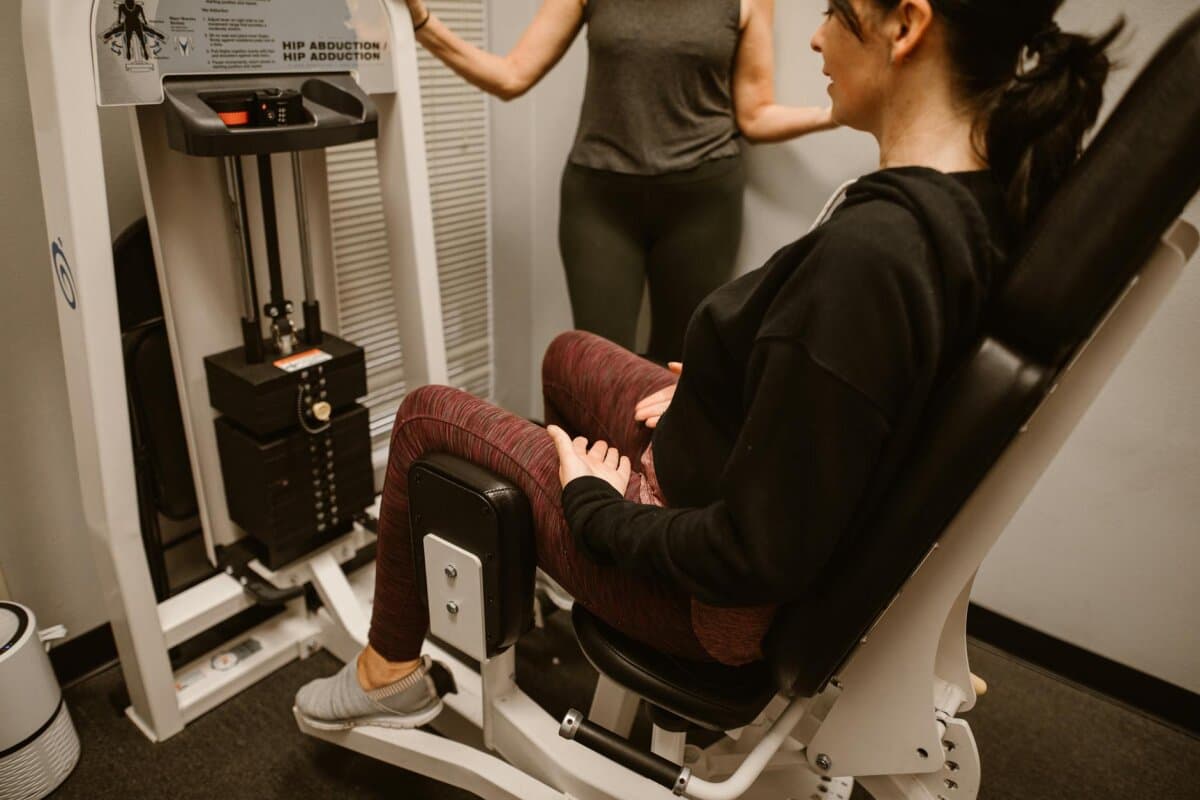
Myth 14: Machines are inferior to free weights.
Tools are just tools. Progress comes from effort and progression, not equipment snobbery.
Myth 15 18: Bodyweight Training and Rep Ranges
Myth 15: Bodyweight exercises don’t build muscle.
Tell that to gymnasts. Movements like Push-Ups absolutely build muscle when progressed intelligently.
Myth 16: You must lift in the 8 12 rep range.
Muscle grows across a wide rep spectrum. Effort matters more than an exact number.
Myth 17: Isolation exercises are mandatory.
Compound lifts give you more bang for your buck, especially early on.
Myth 18: If you’re not sore, it didn’t work.
Soreness is a novelty response, not a growth requirement.
Exercise and Injury Myths You Should Rethink
Fear keeps a lot of people stuck. And most of that fear is misplaced.
Myth 19 22: Squats, Deadlifts, and Knee or Back Damage
Myth 19: Squats are bad for your knees.
Properly loaded squats strengthen knees. Movements like the Barbell Full Squat train muscles and connective tissue together.
Myth 20: Deadlifts ruin your lower back.
Poor technique and ego lifting do. A well-executed Barbell Deadlift actually strengthens your back.
Myth 21: Perfect form is mandatory.
Form exists on a spectrum. Small deviations aren’t automatic injuries.
Myth 22: Pain equals damage.
Discomfort and injury are not the same thing.
Myth 23: Soreness Equals Effectiveness
Chasing soreness often leads to junk volume and poor recovery. Progress comes from gradual overload, not punishment.
Recovery and Training Structure Myths
This is where most people leave gains on the table.
Myth 24: Training Every Day for Faster Results
More isn’t always better. Recovery is when adaptation happens. Without it, progress stalls or reverses.
Myth 25: Beginners Must Isolate Muscles
Beginners benefit most from simple, full-body movements that teach coordination and build a foundation. Isolation can wait.
How to Stop Falling for Fitness Myths
You don’t need to memorize studies or argue online. Just understand the basics.
Consistency beats intensity. Progressive overload beats novelty. Recovery beats punishment.
And maybe the most underrated skill in fitness? Critical thinking. Question extremes. Be skeptical of shortcuts. And remember real progress usually looks boring day to day.
But boring works.
Frequently Asked Questions
Related Articles
How to Optimize Lifting Technique With Biomechanics
Biomechanics offers a smarter way to improve lifting technique by understanding how your body moves under load. By applying principles like leverage, balance, and joint alignment, lifters can build strength more efficiently while reducing injury risk. This guide shows how to use biomechanics to refine form in major compound lifts.

Repetition Effort Method Explained for Hypertrophy and Strength
The repetition effort method is a proven training approach that uses moderate weights and high reps taken close to failure to stimulate muscle growth. Popular in both bodybuilding and strength training systems, it builds size, work capacity, and long-term strength. Learn how to program it effectively for hypertrophy-focused results.
Velocity Based Training: Auto-Regulate Like a Pro
Velocity based training is a data-driven approach that uses bar speed to auto-regulate load, volume, and intensity. Instead of guessing based on percentages, VBT helps lifters train according to real-time performance. Learn how to apply velocity metrics to build strength, manage fatigue, and progress smarter.
Neural Drive Enhancement for Explosive Strength Training
Explosive strength is driven as much by the nervous system as by muscle size. This article explains how neural drive influences power output and how targeted training methods can improve explosive performance. Learn how to program heavy lifts, speed work, and recovery for long-term strength gains.