Is a Gym Necessary? Home Workout Results Explained

Is a Gym Necessary? Home Workout Results Explained
You’ve probably asked yourself this at some point. Maybe while staring at a gym membership charge on your credit card. Or while doing push-ups in your living room, wondering if this actually counts.
Do you really need a gym to get fit? Or can home workouts deliver real, visible results?
It’s a fair question. Home workouts have exploded in popularity busy schedules, rising gym costs, remote work, and a flood of fitness apps will do that. And yet, the gym still holds this almost mythical status as the place where progress happens.
So let’s clear the noise. No hype. No “just stay motivated” fluff. We’ll break down what gyms actually provide, what home workouts can realistically do, and most importantly who benefits from each. Because the answer isn’t one-size-fits-all. Not even close.
What a Gym Really Provides
Before we decide whether a gym is necessary, we need to be honest about what you’re paying for. It’s not just four walls and loud music.
Equipment Variety and Progressive Overload
The biggest advantage of a gym? Options. Lots of them.
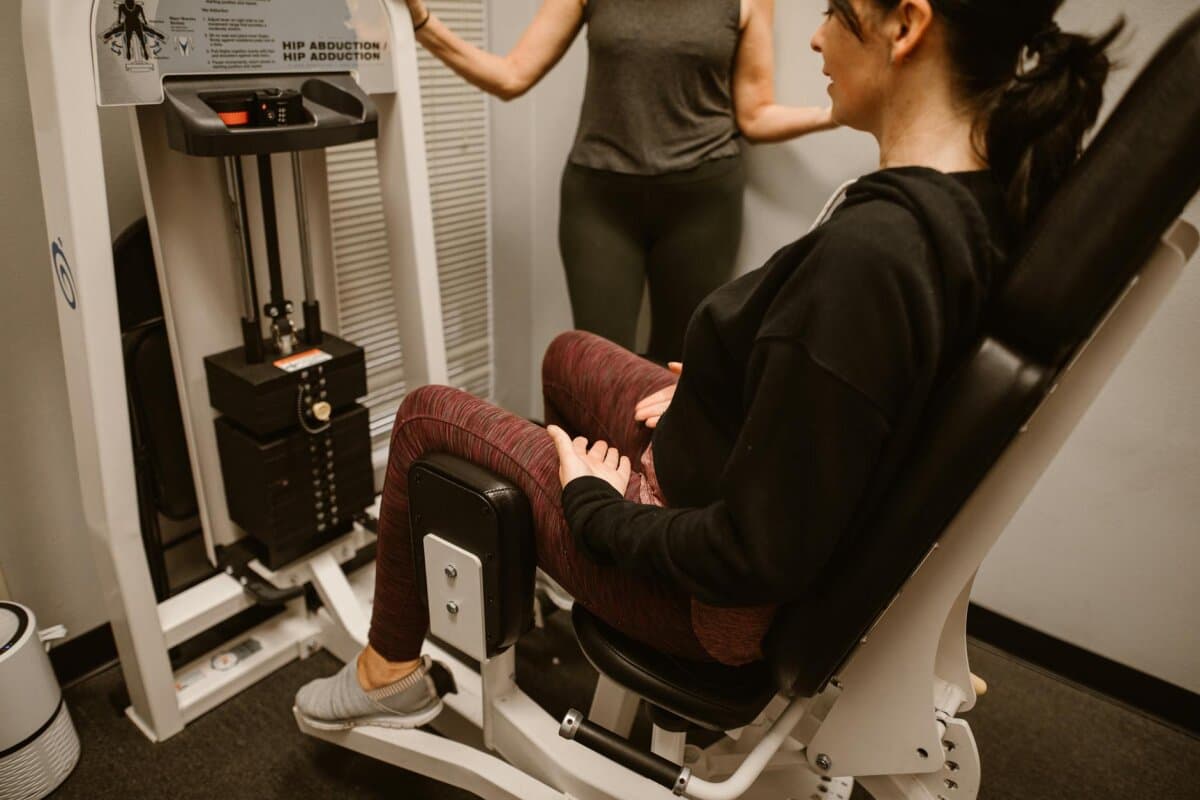
You’ve got barbells, dumbbells that go up in tiny increments, machines designed to isolate specific muscles, and cardio equipment that lets you dial in intensity precisely. That matters for progressive overload the gradual increase in training stress that drives strength and muscle growth.
Want to add five pounds to your lift this week instead of ten? Easy. Need a leg press because your lower back is fried? It’s right there.
This makes long-term progression smoother, especially as you get stronger. There’s less improvisation, less guesswork. You just load the plates and go.
Environment, Motivation, and Accountability
Then there’s the vibe. Love it or hate it, the gym is a structured environment built for training.
You walk in, and it’s clear why you’re there. People are lifting. Sweating. Grinding through reps. That alone can push you to do a little more than you planned.
And for many people, that external accountability matters. Classes, trainers, familiar faces you’re less likely to skip when someone expects you to show up. Some thrive on that energy. Others don’t. File that away. It’ll matter later.
What Counts as a Home Workout?
When people say “home workouts,” they often picture random jumping jacks and a few sit-ups. That’s outdated. And honestly, a little unfair.
Home training today can be surprisingly structured and effective if you do it right.
Bodyweight Training Basics
At its core, home workouts often start with bodyweight movements. Think push-ups, squats, lunges, planks.
A standard Push-Up trains your chest, shoulders, triceps, and core all at once. Change the tempo, elevate your feet, pause at the bottom and suddenly it’s not so easy anymore.
Bodyweight training teaches control. You feel every inch of the movement. And for beginners especially, it builds a solid strength foundation without overwhelming joints or recovery.
Minimal Equipment That Expands Options
Add a pair of adjustable dumbbells or resistance bands, and the game changes fast.
You can press, row, hinge, squat, and carry. You can create tension curves that mimic machines. You can progress load maybe not infinitely, but enough for a long time.
This is where many people get surprised. You don’t need a room full of equipment. You need smart choices and a plan.
And yes, apps and online programs help. A lot. They remove decision fatigue and give you structure something gyms traditionally had a monopoly on.
Can You Build Muscle at Home vs. the Gym?
Let’s tackle the big one. Muscle growth.
Building muscle comes down to a few principles: training volume, intensity, progressive overload, and recovery. The location? Secondary.
Progressive Overload Without Machines
At home, progressive overload looks different but it still exists.
You might increase reps before weight. Slow down the eccentric. Add pauses. Switch from bilateral to unilateral movements. Or graduate to harder variations.
A dumbbell shoulder press can go from seated to standing. From strict to tempo-controlled. From two arms to one. Each change increases demand.
Advanced bodyweight athletes build impressive muscle using leverage and range-of-motion progressions alone. That’s not magic. That’s physics.
That said, there’s a ceiling. Eventually, loading becomes the limiting factor. And that’s where gyms shine.
Who Benefits Most From Gym-Based Strength Training
If your goals include maximum strength, serious hypertrophy, or competitive lifting, the gym makes life easier.
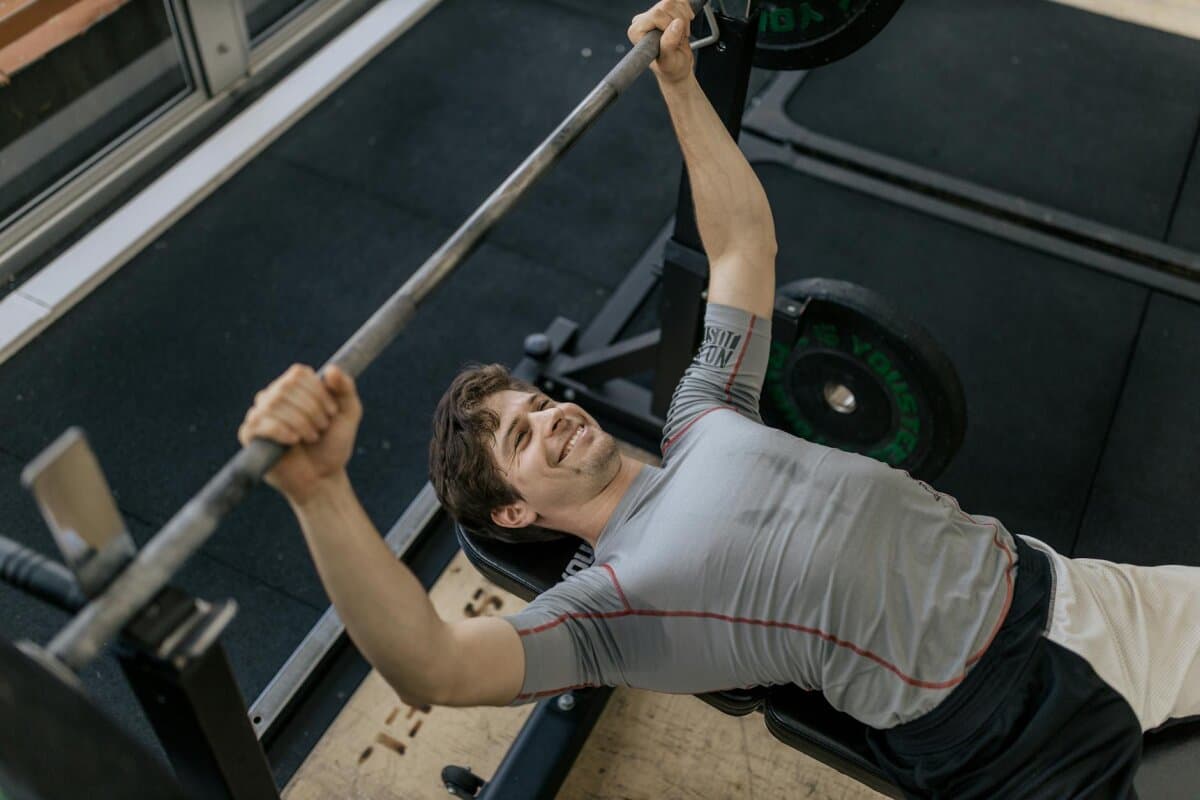
Heavy barbell work like squats and deadlifts is simply more accessible and safer to progress when you have proper equipment and space.
Beginners? Different story. Most haven’t even come close to maxing out what home training can offer. Not even close.
Fat Loss and Cardiovascular Fitness: Home vs. Gym
Fat loss is where the gym mystique really starts to crack.
Losing fat comes down to calorie balance, daily activity, and consistency over time. Cardio helps. So does resistance training. But neither requires a treadmill.
Is Cardio Equipment Necessary?
Nope.
High-intensity bodyweight work can be brutally effective. A set of Burpees will spike your heart rate faster than most machines ever will.
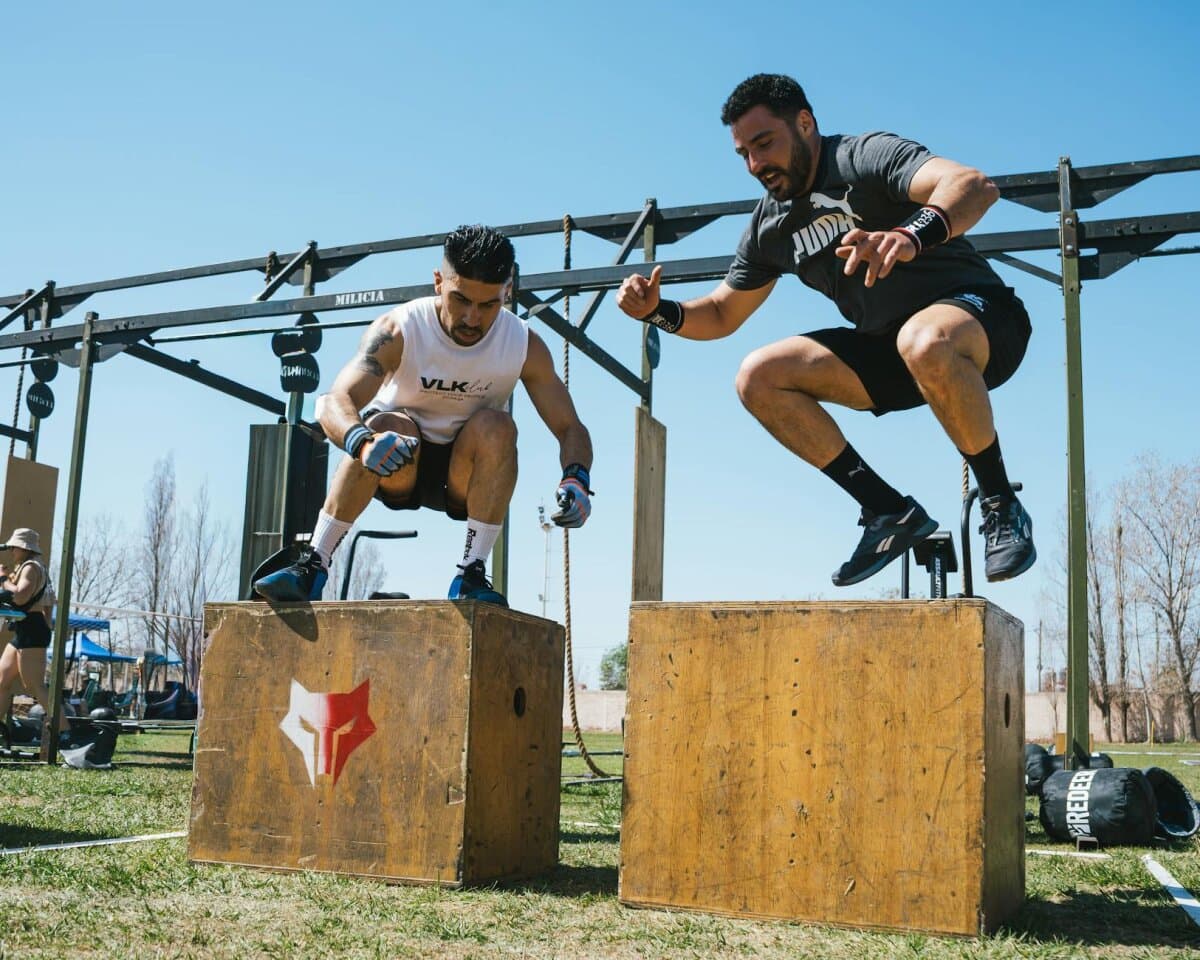
Circuits. Intervals. EMOMs. These formats build conditioning and burn calories efficiently, especially when time is tight.
That said, steady-state cardio machines have their place. They’re joint-friendly, measurable, and great for longer sessions. If you enjoy zoning out on a bike or treadmill, the gym helps. If you don’t? You’re not doomed.
Lifestyle, Motivation, and Consistency Factors
This might be the most important section. And the most ignored.
The best workout plan is the one you actually follow.
Busy Schedules and Real-Life Adherence
Home workouts win on convenience. No commute. No waiting for equipment. No packing a bag.
That matters when life gets chaotic. Parents. Shift workers. Anyone juggling deadlines.
But and this is big some people struggle without separation. Home feels like rest. Or work. Or distraction.
If you need a physical space to flip the mental switch, the gym might be worth every penny.
Know yourself. That’s not weakness. That’s strategy.
Limitations of Home Workouts and How to Overcome Them
Home training isn’t perfect. Let’s not pretend it is.
Common issues? Limited load, space constraints, and plateaus.
The fix isn’t complicated, but it does require intention. Invest in adjustable equipment. Use structured programming like upper/lower splits. Track your progress. Manipulate tempo and volume.
Most plateaus come from doing the same thing too long not from training at home.
Who Actually Needs a Gym Membership?
So who truly needs a gym?
Advanced lifters chasing heavy numbers. Athletes with sport-specific demands. People who love the environment and feed off it.
Who doesn’t? Beginners. General fitness enthusiasts. Busy professionals. Anyone whose main goal is to look better, feel stronger, and stay healthy.
Home workouts can absolutely get you there. Trust me on this.
Final Thoughts: Gym or Home What Matters Most?
A gym isn’t magic. And home workouts aren’t second-rate.
Results come from consistency, effort, and smart programming. Period.
If the gym excites you, use it. If home workouts fit your life better, commit to them fully.
The best place to train? The one you’ll stick with six months from now.
Frequently Asked Questions
Related Articles
How to Optimize Lifting Technique With Biomechanics
Biomechanics offers a smarter way to improve lifting technique by understanding how your body moves under load. By applying principles like leverage, balance, and joint alignment, lifters can build strength more efficiently while reducing injury risk. This guide shows how to use biomechanics to refine form in major compound lifts.
Repetition Effort Method Explained for Hypertrophy and Strength
The repetition effort method is a proven training approach that uses moderate weights and high reps taken close to failure to stimulate muscle growth. Popular in both bodybuilding and strength training systems, it builds size, work capacity, and long-term strength. Learn how to program it effectively for hypertrophy-focused results.
Velocity Based Training: Auto-Regulate Like a Pro
Velocity based training is a data-driven approach that uses bar speed to auto-regulate load, volume, and intensity. Instead of guessing based on percentages, VBT helps lifters train according to real-time performance. Learn how to apply velocity metrics to build strength, manage fatigue, and progress smarter.

Neural Drive Enhancement for Explosive Strength Training
Explosive strength is driven as much by the nervous system as by muscle size. This article explains how neural drive influences power output and how targeted training methods can improve explosive performance. Learn how to program heavy lifts, speed work, and recovery for long-term strength gains.