Is Muscle Soreness a Sign of Growth? Myth vs Reality

Is Muscle Soreness a Sign of Growth? Myth vs Reality
You finish a workout, walk out of the gym feeling pumped… and then it hits you the next day. Tight legs. Stiff arms. That awkward walk down the stairs. And somewhere in the back of your mind, a little voice says, “Yep. That was a good workout.”
Soreness has become a badge of honor in gym culture. No soreness? Must not have trained hard enough, right?
But here’s the real question and it matters more than most people realize: does muscle soreness actually mean you’re building muscle? Or are we chasing pain while missing the bigger picture?
Let’s break it down. No hype. No macho myths. Just how muscle growth really works and where soreness fits in. Spoiler: it’s not what most people think.
What Is Muscle Soreness (DOMS), Really?
When people talk about being “sore,” they’re usually talking about Delayed Onset Muscle Soreness, or DOMS.
DOMS isn’t the burn you feel during a set. And it’s not the immediate fatigue after training. It’s that deep, tender, sometimes borderline-annoying soreness that shows up 24 to 72 hours later.
Common DOMS symptoms include:
- Muscle stiffness and tightness
- Tenderness when you press on the muscle
- Reduced range of motion
- A general feeling of “wow, I’m definitely feeling that workout”
Sound familiar? Yeah. We’ve all been there.
What DOMS isn’t is injury pain. Sharp pain, joint pain, or discomfort that gets worse with movement is a different story. DOMS usually feels dull, achy, and spread through the muscle belly.
Why DOMS Happens After Certain Workouts
DOMS is most strongly linked to eccentric muscle actions the lowering phase of a lift. Think about slowly lowering into a Barbell Full Squat or controlling the descent of a heavy deadlift.
Those lengthening contractions create more microscopic disruption in muscle fibers. Not damage in a scary way, but enough to trigger inflammation and that familiar soreness.
And novelty matters. New exercise? New rep scheme? New tempo? Expect soreness. Your body doesn’t love surprises.
Why We Associate Soreness With a ‘Good’ Workout
The idea that soreness equals progress didn’t come out of nowhere.
For decades, bodybuilding culture pushed the idea of “tearing down muscle to build it back stronger.” Pain became proof of effort. Effort became proof of effectiveness. And boom soreness turned into validation.
Psychologically, it makes sense. Humans like feedback. Soreness is loud, physical feedback. You can’t ignore it.
Add social media into the mix brutal leg days, puke emojis, influencers barely able to walk and suddenly soreness isn’t just expected. It’s glorified.
Beginners are especially vulnerable here. When you’re new, almost everything makes you sore. So the brain connects dots that maybe shouldn’t be connected.
Soreness as a Badge of Honor in Gym Culture
Let’s be honest. Saying “I’m sore” feels like saying “I worked hard.”
But effort and results aren’t always the same thing. You can work incredibly hard doing the wrong things or doing the right things in the wrong way.
And that’s where the myth starts to crack.
How Muscle Growth Actually Works
Muscle growth also called hypertrophy is your body’s response to stress. But not all stress is equal.
There are three main factors involved in hypertrophy:
- Mechanical tension
- Metabolic stress
- Muscle damage
Here’s the key thing most people miss: mechanical tension is the primary driver.
Mechanical tension comes from applying force to a muscle under load. Heavy enough weight. Enough reps. Close enough to failure. This is what tells your body, “Hey, we need to adapt.”
Metabolic stress the pump, the burn can contribute. Muscle damage can happen along the way. But neither is required for growth.
And soreness? That’s mostly a byproduct of muscle damage and inflammation. Not growth itself.
Mechanical Tension vs Muscle Damage
You can create a ton of muscle damage without much tension. Slow negatives. Crazy volumes. Endless lunges.
You can also create high tension with relatively low damage think controlled, repeatable sets on exercises you’ve adapted to, like rows or pulldowns.
Growth happens when your body can recover and then adapt. Excessive damage just slows that process down.
That’s why soreness is optional. Tension is not.
Why You Can Build Muscle Without Being Sore
This is where a lot of lifters get confused. Because yes sometimes you grow without feeling much soreness at all.
The most reliable sign your training is working? Progressive overload.
More reps. More weight. Better control. Stronger positions.
If your numbers are moving even slowly your muscles are getting a signal to grow.
Take something like a lat pulldown. Early on, it might leave your lats aching for days. A few months later? You barely feel sore, but you’re pulling more weight with better form.
That adaptation is a good thing.
Exercises like the Reverse Grip Machine Lat Pulldown often become low-soreness, high-return movements once your body learns them.
Adaptation: When Less Soreness Is a Good Sign
Your body is efficient. It learns. It adapts.
Reduced soreness usually means improved recovery capacity and movement skill. You’re not weaker. You’re better.
Advanced lifters rarely get crippling DOMS and they grow just fine. Trust me on this.
When Soreness Is Misleading or Counterproductive
Here’s the flip side. There are plenty of situations where soreness goes up… but results don’t.
Novel exercises are a classic example. Walking lunges, for instance, can destroy beginners. Not because they’re magical for growth, but because they challenge balance, coordination, and long muscle lengths.
Romanian deadlifts are another one. Long eccentrics. Big stretch. Lots of hamstring soreness. Does that mean more growth? Not automatically.
Excessive volume is another trap. Doing “just one more set” over and over can spike soreness while wrecking recovery.
And poor recovery sleep, calories, protein can turn normal training stress into lingering soreness that hurts performance.
Chronic soreness isn’t toughness. It’s a warning sign.
High-Soreness Exercises That Don’t Guarantee More Growth
Some movements just feel brutal:
- High-rep lunges
- Slow-tempo squats
- Eccentric-only variations
They have their place. But piling them on because they make you sore is a mistake.
If soreness starts interfering with your next session lighter weights, fewer reps, worse technique that’s not progress.
Better Ways to Measure Workout Effectiveness
If soreness isn’t the metric, what is?
Start with performance.
- Are you lifting more weight over time?
- Are you getting more reps with the same load?
- Is your technique cleaner and more controlled?
Consistency matters too. Being able to train hard again is part of the stimulus.
Recovery quality is another clue. Sleeping well. Feeling energized, not wrecked. Actually wanting to train.
Structured programming beats chaos every time. Programs built around progression not punishment win long term.
Why Progressive Overload Beats Pain as Feedback
Pain is loud. Progress is quiet.
But quiet progress adds up. Week after week. Month after month.
Chasing soreness is easy. Chasing progression takes patience. The second one builds muscle.
So, Is Soreness a Sign of Growth?
Sometimes soreness happens alongside growth. Sometimes it doesn’t.
But soreness is neither required nor a reliable indicator of muscle building.
Muscle grows from consistent mechanical tension, smart progression, and recovery that lets adaptation actually occur.
If you’re getting stronger, training regularly, and recovering well congrats. You’re on the right track, even if you’re not limping around the gym.
Stop chasing pain. Start chasing progress. Your body will thank you.
Frequently Asked Questions
Related Articles
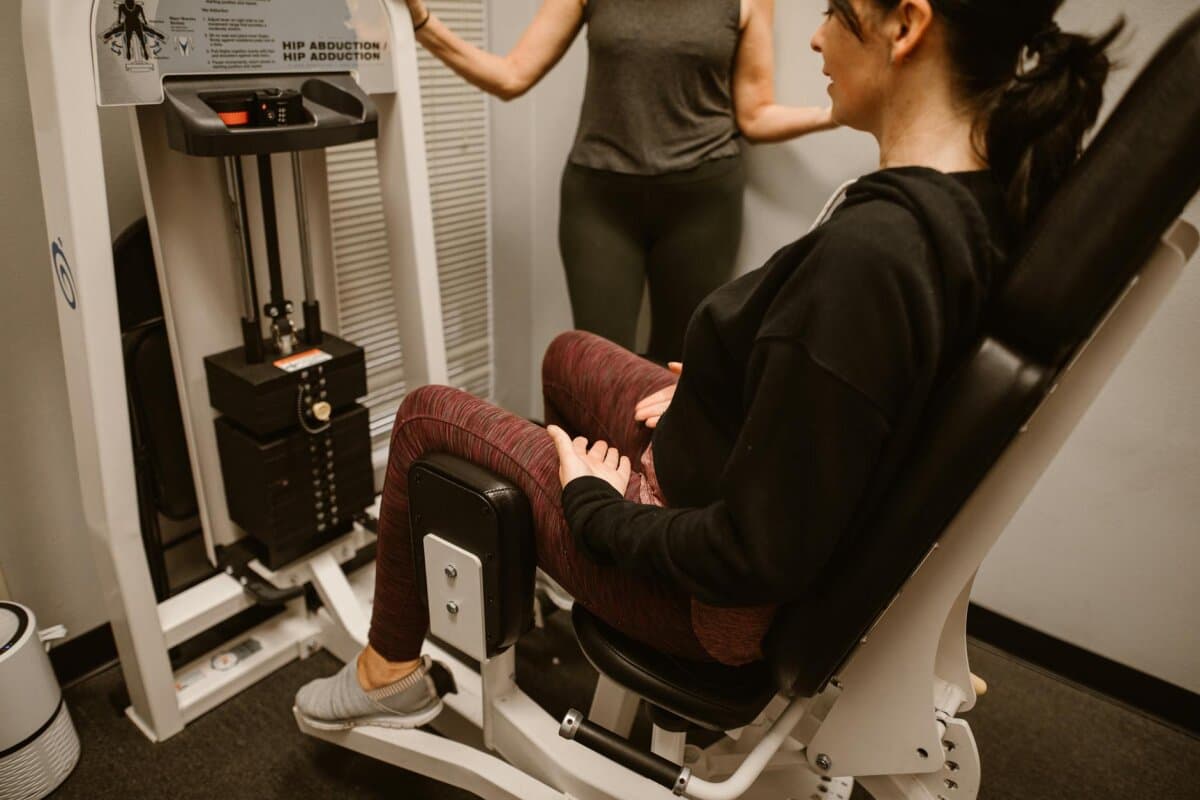
How to Optimize Lifting Technique With Biomechanics
Biomechanics offers a smarter way to improve lifting technique by understanding how your body moves under load. By applying principles like leverage, balance, and joint alignment, lifters can build strength more efficiently while reducing injury risk. This guide shows how to use biomechanics to refine form in major compound lifts.
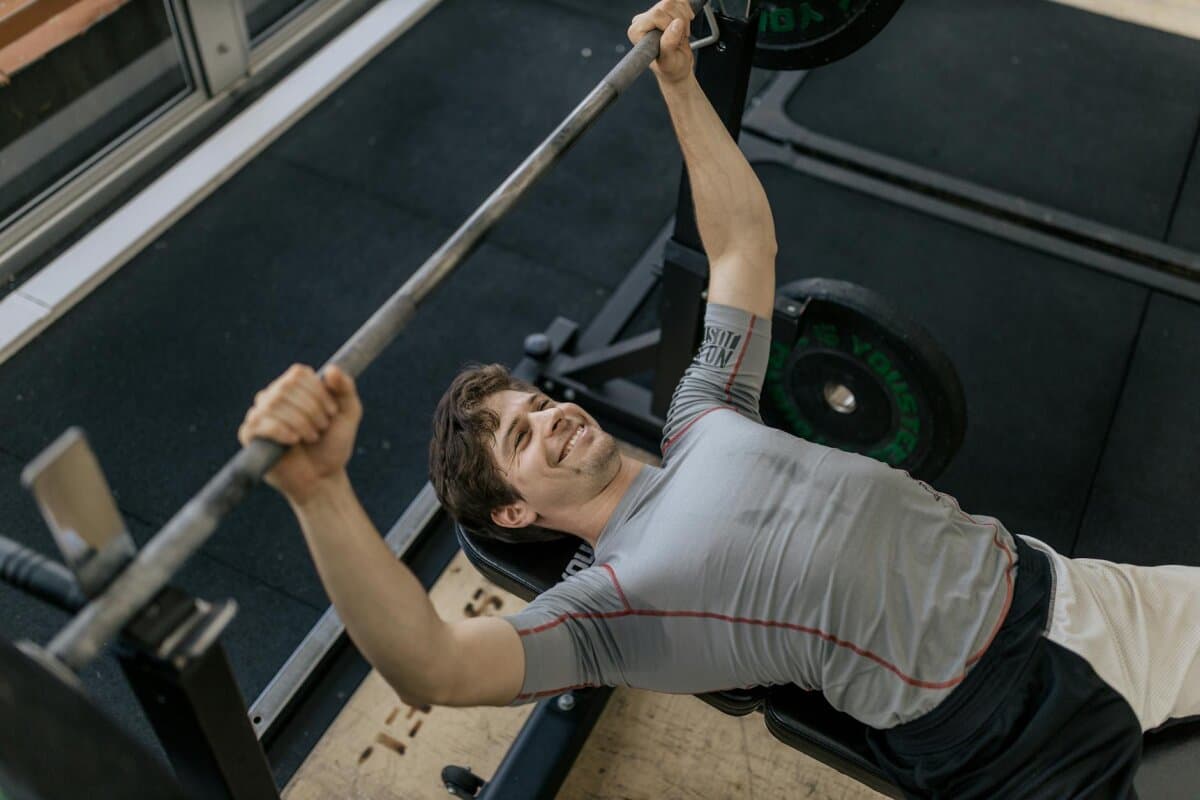
Repetition Effort Method Explained for Hypertrophy and Strength
The repetition effort method is a proven training approach that uses moderate weights and high reps taken close to failure to stimulate muscle growth. Popular in both bodybuilding and strength training systems, it builds size, work capacity, and long-term strength. Learn how to program it effectively for hypertrophy-focused results.
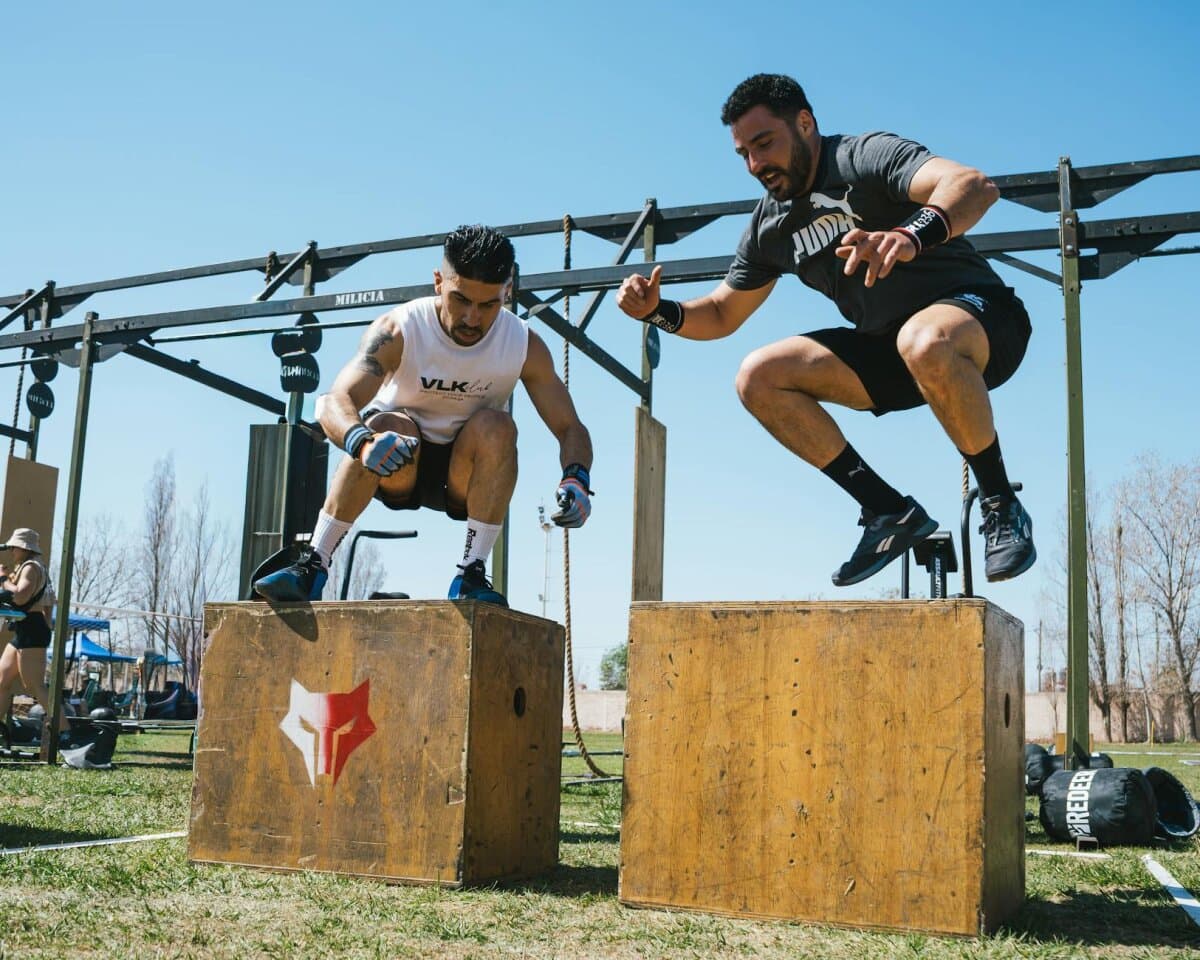
Velocity Based Training: Auto-Regulate Like a Pro
Velocity based training is a data-driven approach that uses bar speed to auto-regulate load, volume, and intensity. Instead of guessing based on percentages, VBT helps lifters train according to real-time performance. Learn how to apply velocity metrics to build strength, manage fatigue, and progress smarter.
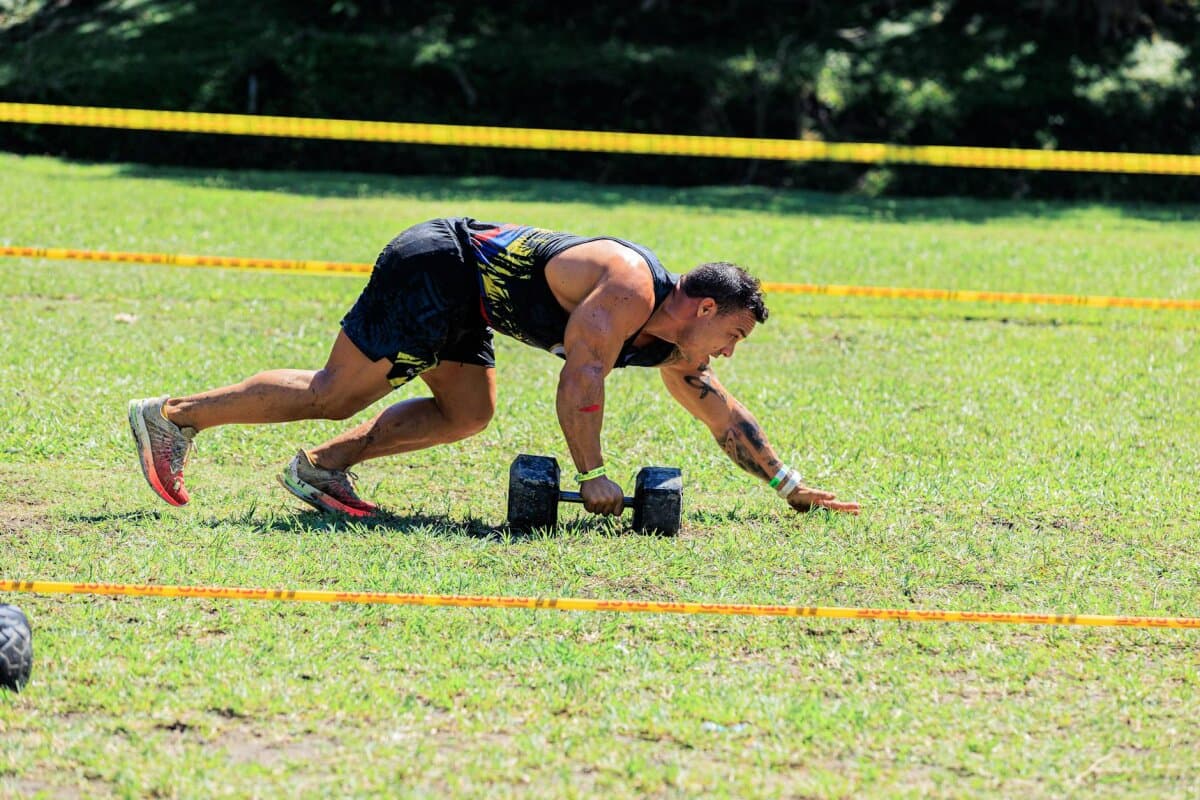
Neural Drive Enhancement for Explosive Strength Training
Explosive strength is driven as much by the nervous system as by muscle size. This article explains how neural drive influences power output and how targeted training methods can improve explosive performance. Learn how to program heavy lifts, speed work, and recovery for long-term strength gains.