How to Start Lifting Weights: Beginner Checklist & First Week

How to Start Lifting Weights: Beginner Checklist & First Week
Walking into a gym for the first time can feel… intense. Rows of machines you’ve never touched. Barbells that look heavier than they should. People who seem to know exactly what they’re doing. And you? Wondering if you’re about to mess something up.
Totally normal. Trust me on this.
Everyone who lifts started somewhere, and most of them felt awkward at first. The good news? Strength training is one of the most beginner-friendly forms of exercise out there if you start the right way. You don’t need to lift heavy, train every day, or follow some viral routine from social media.
You need a plan. A simple one.
This guide walks you through exactly how to start lifting weights from what lifting actually means, to a beginner checklist, to a realistic first week in the gym. No fluff. No intimidation. Just clear steps that work.
What Lifting Weights Means for Beginners
Let’s clear something up right away.
Lifting weights doesn’t mean hoisting massive barbells or training like a bodybuilder. For beginners, it means resistance training using some form of resistance to challenge your muscles and make them stronger.
That resistance can come from dumbbells, machines, barbells, cables, or even your own body weight. And early on, lighter is usually better.
The real goal at the beginning isn’t muscle size or max strength. It’s learning how to move well. Building coordination. Getting comfortable showing up.
Strength is a skill. Skills take practice.
Free Weights vs. Machines vs. Bodyweight
You’ll hear people argue about this forever. Here’s the beginner-friendly truth.
- Bodyweight exercises (like squats or Push-Ups) teach you control and awareness. They’re great for learning basic movement.
- Free weights (dumbbells and barbells) build coordination and balance, but they require more focus on form.
- Machines guide the movement for you, which can reduce intimidation and help you feel safer at first.
You don’t have to choose just one. A mix works well, especially in your first few weeks.
Who Strength Training Is For (Hint: Almost Everyone)
Lifting isn’t just for young people. Or men. Or athletes.
It’s for adults who want to feel stronger carrying groceries. For people getting back into exercise after years away. For anyone who wants healthier joints, better posture, and more confidence in their body.
And no, you won’t “accidentally bulk up.” Muscle growth takes time, intention, and consistency. Beginners mostly gain strength and coordination first.
Beginner Lifting Checklist: What to Do Before Your First Workout
A little prep goes a long way. This part matters more than most people think.
Health Check, Goals, and Expectations
If you have a medical condition, past injuries, or haven’t exercised in years, getting medical clearance is a smart move. Not scary. Just smart.
Next set simple goals.
Not “get shredded.” Not “lose 30 pounds.”
Think smaller:
- Lift weights 2 3 times this week
- Learn how to squat without pain
- Leave the gym feeling better than when you walked in
Early success is about building the habit, not chasing perfection.
Choosing a Gym or Home Setup
Gyms offer variety, heavier equipment, and motivation from being around others. Home workouts offer privacy and convenience.
Ask yourself:
- Will I actually use this setup?
- Does it fit my schedule?
- Do I feel comfortable there?
The best choice is the one you’ll stick with.
Basic Gear Every Beginner Actually Needs
You don’t need fancy stuff.
- Comfortable athletic clothes
- Flat, supportive shoes (running shoes are okay at first)
- A water bottle
- A small towel
That’s it. Skip the lifting belt, straps, and supplements for now.
And gym anxiety? Everyone feels it. Put your headphones on, follow your plan, and remember: most people are focused on themselves.
Foundational Movement Patterns Every Beginner Should Learn
If you learn these movements, you’ll be ahead of the game.
Nearly every strength exercise falls into one of five patterns: squat, hinge, push, pull, and carry.
Mastering these first keeps you safer and stronger long-term.
Squat and Hinge: Lower-Body Foundations
Squats teach you how to sit down and stand up with control. Think bodyweight squats before adding load.
Hinges teach you to bend at the hips while keeping a neutral spine. This pattern shows up later in deadlifts and similar movements.
Go slow. Feel your muscles work. That burn in your thighs and glutes? That’s learning happening.
Push and Pull: Upper-Body Balance
Pushing movements train your chest, shoulders, and triceps. Pulling movements train your back and biceps.
Beginners often overdo pushing and neglect pulling. Don’t.
Balance matters for shoulder health and posture. Exercises like Push-Ups paired with rows or pulldowns work beautifully.
Carry and Core Stability Basics
Carrying weight like holding dumbbells while walking builds grip, core strength, and posture.
Your core’s job isn’t just crunching. It’s stabilizing your spine while you move. That’s what keeps you safe.
Your First Week Lifting Weights: Simple Beginner Schedule
This is where most people overcomplicate things. Don’t.
Why Beginners Should Start With Full-Body Workouts
Full-body workouts train all major muscle groups in one session. For beginners, that means:
- More practice with key movements
- Better recovery
- Fewer workouts to worry about
Three full-body sessions per week is plenty.
Sample 3-Day Beginner Lifting Schedule
Day 1
- Bodyweight Squat 3 sets of 8 10 reps
- Push-Up 3 sets of 6 10 reps
- Lat Pulldown 3 sets of 8 12 reps
- Plank 2 sets of 20 30 seconds
Day 2
- Rest or light cardio (walking works)
Day 3
- Goblet Squat 3 sets of 8 10 reps
- Dumbbell Bench Press 3 sets of 8 10 reps
- Seated Row 3 sets of 8 12 reps
- Farmer Carry 2 short walks
Day 4
- Rest
You can repeat this pattern or stop at two sessions if needed. Consistency beats volume.
How Heavy Should You Lift in Week One?
Here’s a rule that works: you should finish each set feeling like you could do 2 3 more reps.
If your form falls apart, the weight is too heavy. Period.
Week one is about learning, not proving anything.
Warm-Up, Cooldown, and Safety Rules for New Lifters
Beginner Warm-Up and Cooldown Basics
Warming up gets your joints ready and your muscles firing.
Keep it simple:
- 5 minutes of light cardio
- Dynamic movements for hips, shoulders, and spine
- A lighter version of your first exercise
Cooling down? Slow breathing. Light stretching. Let your heart rate come down.
Safety Rules Every New Lifter Must Follow
- Prioritize form over weight
- Rest at least one day between hard sessions
- Increase weight gradually
- Stop if something feels sharp or painful
Ego lifting gets people hurt. You’re playing the long game.
What to Expect During Your First Week of Lifting
Soreness, Fatigue, and Recovery
You’ll probably feel sore. That’s called DOMS delayed onset muscle soreness.
It usually peaks 24 72 hours after a workout. It’s uncomfortable, but normal.
Sleep, hydration, light movement, and patience help more than anything.
Mental Wins and Building Confidence
Something interesting happens in week one.
You start feeling more capable. More aware of your body. Less intimidated.
That confidence matters. A lot.
Starting Strong: Focus on Consistency, Not Perfection
Starting to lift weights doesn’t require perfection. It requires showing up.
If you prepare, focus on fundamentals, and respect recovery, you’re already doing it right.
Strength training is a long-term skill. One you can build at any age, at any pace.
Take the first step. The rest comes with time.
Frequently Asked Questions
Related Articles
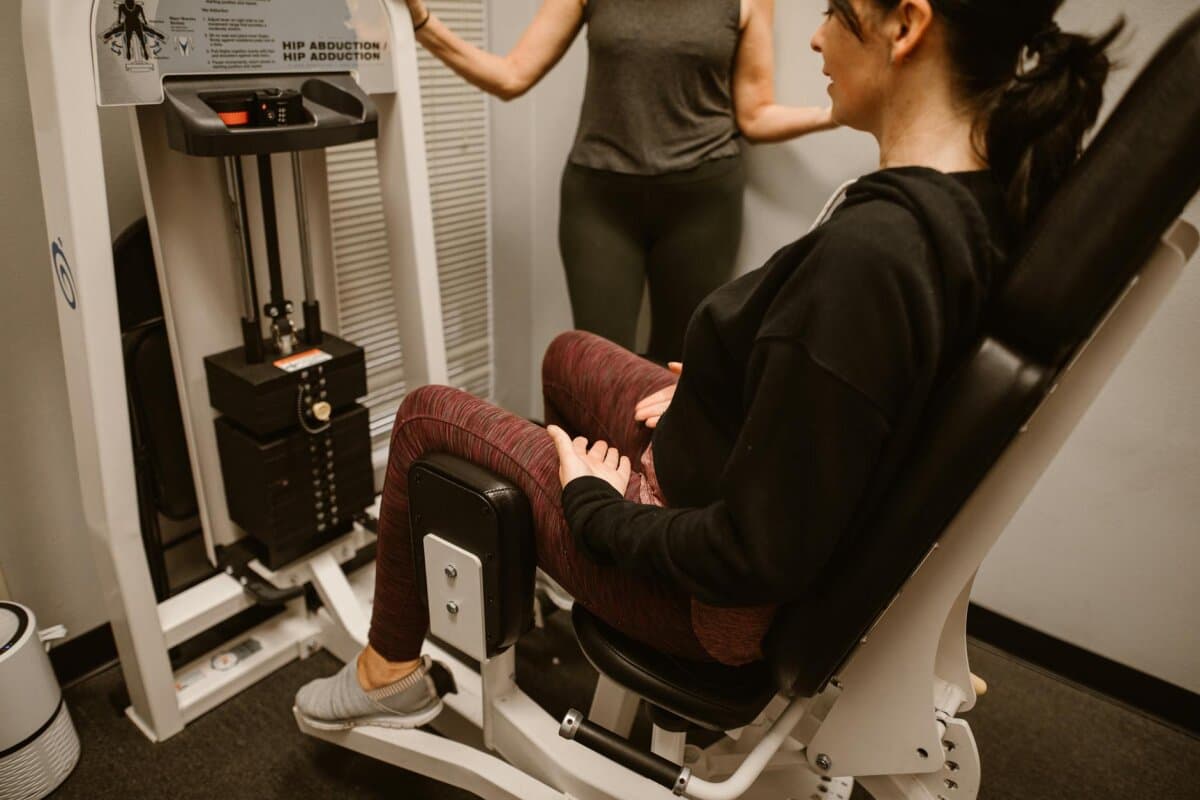
How to Optimize Lifting Technique With Biomechanics
Biomechanics offers a smarter way to improve lifting technique by understanding how your body moves under load. By applying principles like leverage, balance, and joint alignment, lifters can build strength more efficiently while reducing injury risk. This guide shows how to use biomechanics to refine form in major compound lifts.
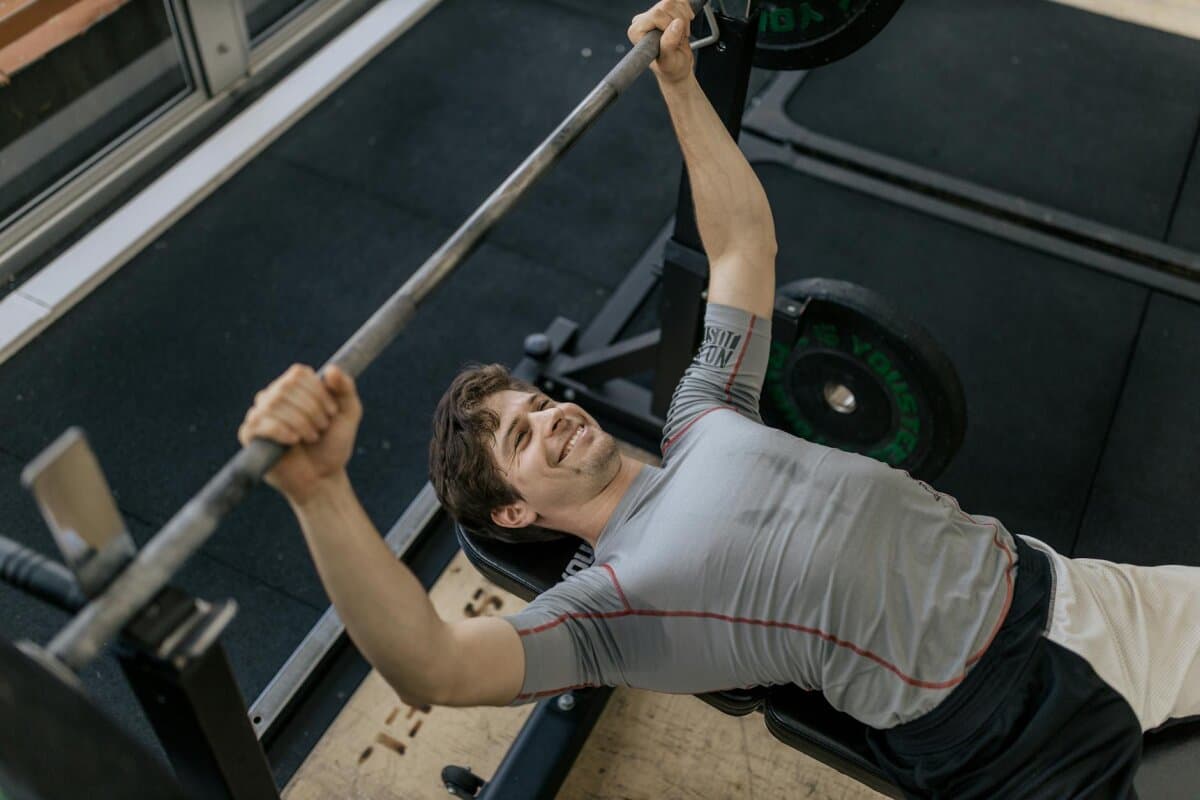
Repetition Effort Method Explained for Hypertrophy and Strength
The repetition effort method is a proven training approach that uses moderate weights and high reps taken close to failure to stimulate muscle growth. Popular in both bodybuilding and strength training systems, it builds size, work capacity, and long-term strength. Learn how to program it effectively for hypertrophy-focused results.
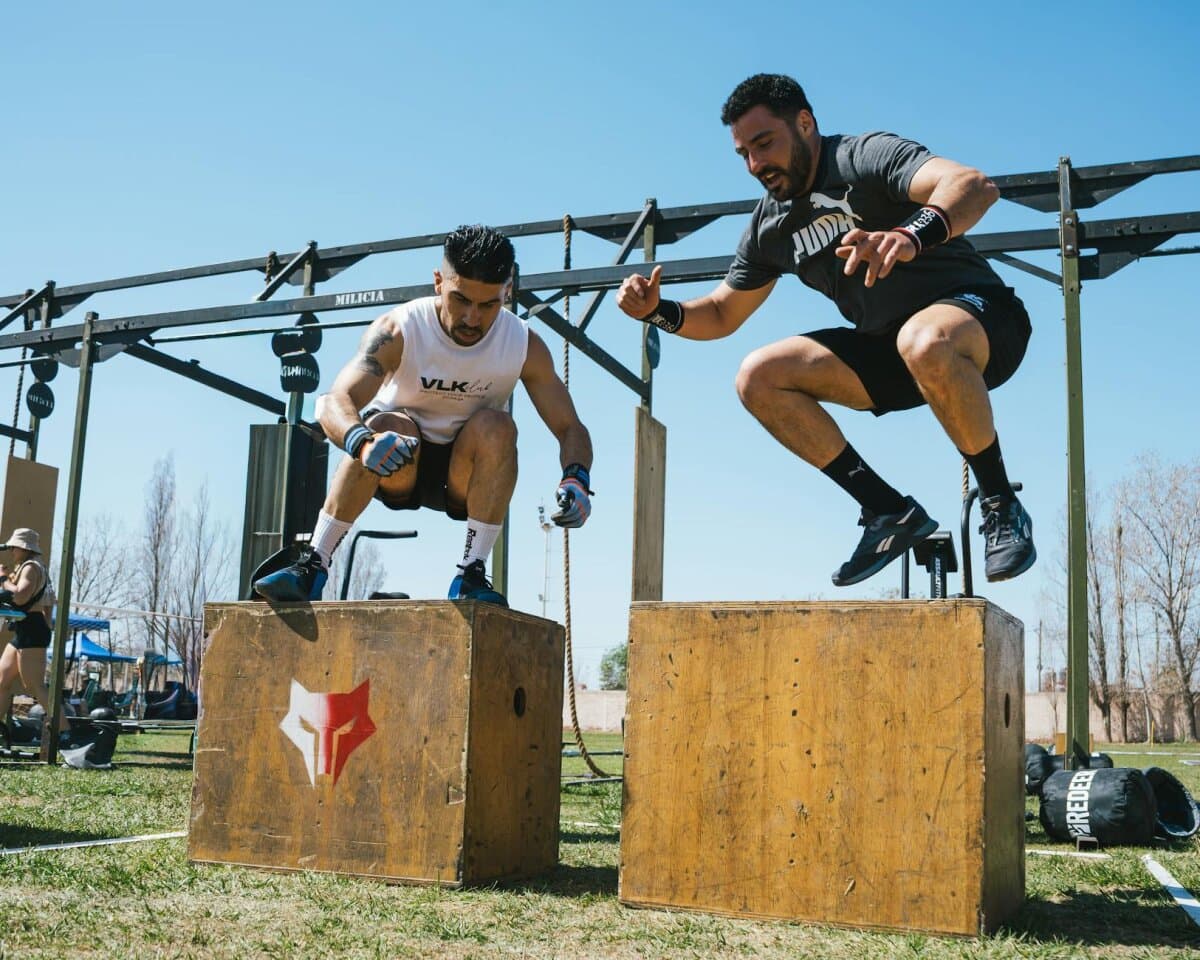
Velocity Based Training: Auto-Regulate Like a Pro
Velocity based training is a data-driven approach that uses bar speed to auto-regulate load, volume, and intensity. Instead of guessing based on percentages, VBT helps lifters train according to real-time performance. Learn how to apply velocity metrics to build strength, manage fatigue, and progress smarter.
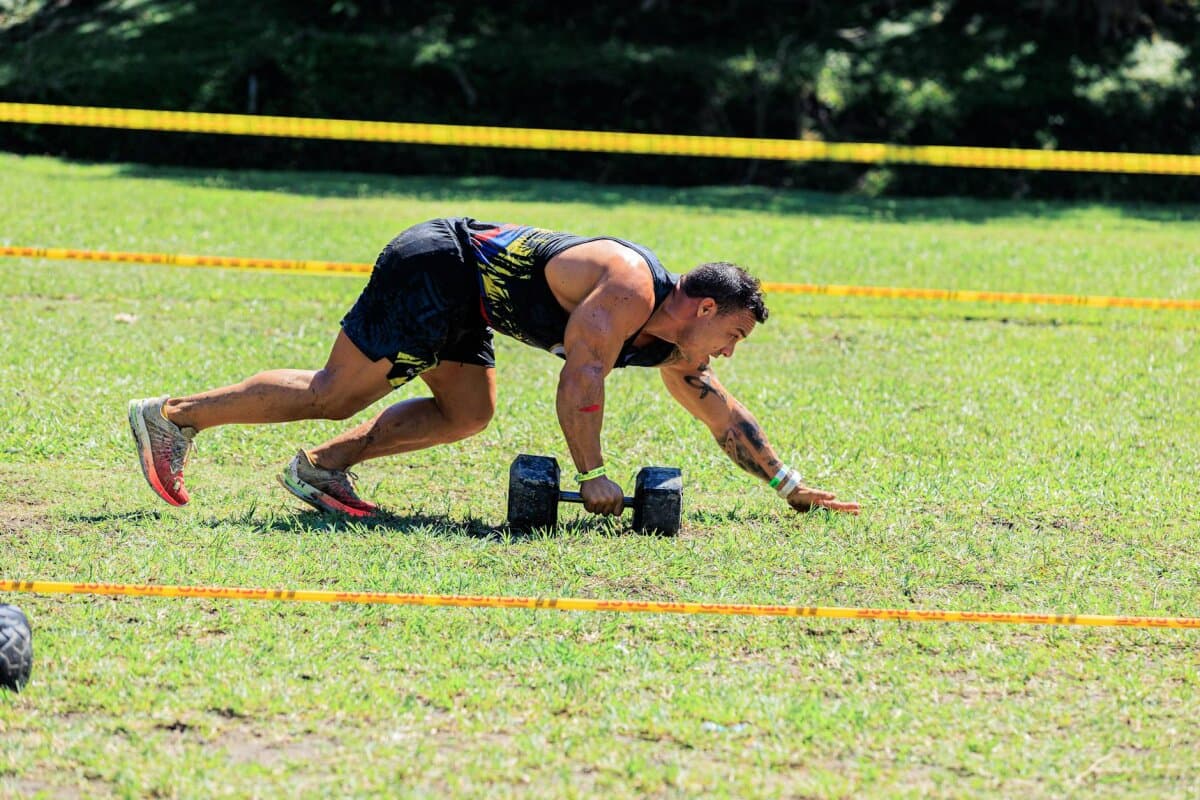
Neural Drive Enhancement for Explosive Strength Training
Explosive strength is driven as much by the nervous system as by muscle size. This article explains how neural drive influences power output and how targeted training methods can improve explosive performance. Learn how to program heavy lifts, speed work, and recovery for long-term strength gains.