How Fast Can You Gain Muscle Naturally? Realistic Timelines

How Fast Can You Gain Muscle Naturally? Realistic Timelines
You’ve seen the posts. Twelve-week transformations. Thirty pounds of muscle. Same guy, different lighting… supposedly. And if you’re new to lifting or even a year or two in it can mess with your head.
So let’s slow this down and talk honestly. How fast can you gain muscle naturally? No steroids. No performance-enhancing drugs. Just training, food, sleep, and consistency.
The short answer? Faster than you think at first. Slower than social media promises. And wildly different from person to person. Training age, lifestyle, genetics, and how dialed-in your habits are all matter. A lot.
By the end of this, you’ll have clear, science-backed expectations and maybe a little relief knowing you’re not behind. You’re probably right on track.
What Does Natural Muscle Gain Really Mean?
Before we throw out numbers, we need to define what we’re even talking about. Because “muscle gain” gets tossed around pretty loosely online.
Natural muscle gain means increasing skeletal muscle size hypertrophy without steroids, SARMs, growth hormone, or other PEDs. Just your body responding to training stress and recovery.
Sounds simple. But here’s where people get confused.
Lean Muscle vs. Body Weight Changes
The number on the scale is not muscle. It’s everything: muscle, fat, water, glycogen, food sitting in your gut. All of it.
You can gain five pounds in a month and only one of those pounds is actual muscle tissue. The rest? Water retention from higher carbs, fuller muscles, maybe a bit of fat. Totally normal. But if you don’t understand that difference, it feels like magic or failure depending on the week.
Lean muscle mass is what you care about. And it grows slower than scale weight.
Why Early Gains Can Be Misleading
Early on, your body adapts fast. Muscles store more glycogen. You retain more water. Your posture improves. Pumps feel insane.
So you look bigger quickly. And yeah, some muscle growth is happening. But not at the rate the mirror suggests. That’s not a bad thing just something to understand so expectations stay realistic.
How Fast Can You Gain Muscle Naturally?
This is the big question. And the honest answer is… it depends. But we do have useful ranges based on training age.
Training age matters more than your actual age. A 35-year-old beginner can out-gain a 22-year-old who’s been lifting for five years. Happens all the time.
Beginner Muscle Gain Expectations
If you’re brand new or coming back after a long break you’re in the sweet spot. Beginners can gain roughly 1 2 pounds of lean muscle per month under good conditions.
That’s not guaranteed. But with consistent training, enough food, and decent sleep, it’s realistic. This is when compound lifts like the Barbell Full Squat, Barbell Bench Press, Barbell Deadlift, and Pull-Up pay off fast.
Strength jumps quickly. Muscles respond aggressively. It feels awesome. Enjoy it.
Intermediate and Advanced Growth Rates
After the first year or two, things slow down. Intermediates might gain 0.3 0.7 pounds of muscle per month. Advanced lifters? Even less.
At that stage, adding three to five pounds of muscle in a year is solid progress. Not exciting. Not viral. But very real.
And yes, it gets harder the stronger you are. That’s biology, not bad programming.
The Truth About Newbie Gains
“Newbie gains” get hyped like some mythical window you’ll miss if you don’t do everything perfectly. Relax.
Newbie gains are simply the rapid adaptations your body makes when exposed to resistance training for the first time. Some of it is muscle growth. A lot of it is neurological.
Why Strength Increases Faster Than Muscle at First
Early strength gains come from improved motor unit recruitment, coordination, and learning how to actually perform lifts. Your nervous system gets better before your muscles get bigger.
That’s why your bench press can jump 40 pounds in months while your chest barely looks different. Totally normal. Muscle growth follows but more slowly.
Over time, these easy gains disappear. Progress becomes earned. And honestly? That’s where most people quit. Don’t be most people.
Key Factors That Affect How Fast You Build Muscle
Two people can follow the same program and get wildly different results. Why? Because muscle growth isn’t just about sets and reps.
Training Quality and Exercise Selection
Effort matters. Progressive overload matters. And exercise selection matters more than fancy techniques.
Heavy compound lifts squats, presses, pulls stimulate more muscle mass and create a bigger growth signal. Isolation work has its place, but it can’t replace the basics.
You don’t need perfection. But you do need progression. More reps. More weight. Better control. Over time.
Nutrition: Calories and Protein Intake
Muscle doesn’t appear out of nowhere. You need a calorie surplus. Not massive but consistent.
Protein matters too. Around 0.6 0.8 grams per pound of bodyweight works well for most lifters. Spread it across meals. Nothing fancy.
And no, supplements aren’t mandatory. Real food gets the job done just fine.
Recovery, Sleep, and Genetics
Sleep is where growth happens. Miss it, and you’re leaving gains on the table. Chronic stress? Same problem.
Genetics do play a role muscle insertions, hormone levels, recovery capacity. But they matter far less than consistency. Trust me on this.
Realistic Monthly and Yearly Muscle Gain Expectations
Let’s zoom out.
For most natural lifters, average expectations look something like this:
- Beginners: 15 25 pounds of muscle in the first year (men), 8 15 for women
- Intermediates: 5 10 pounds per year
- Advanced: 2 5 pounds per year
These are ranges. Not promises. And they assume solid training and nutrition.
How Much Muscle Can You Gain in a Year?
Year one is special. After that, gains slow. That’s diminishing returns not failure.
If you’re adding strength, improving performance, and slowly improving your physique year over year, you’re doing it right.
Why Social Media Muscle Transformations Are Misleading
Let’s call it out.
Lighting. Posing. Pumps. Dehydration. Fat loss mistaken for muscle gain. And sometimes… drugs.
The Illusion of Rapid Muscle Growth
A leaner body shows muscle better. Drop body fat and suddenly it looks like you gained size overnight.
Add a pump, a tan, a flex, and the right angle? Different person.
Compare yourself to your past self. Not someone else’s highlight reel.
How to Maximize Muscle Gain Naturally and Safely
You don’t need hacks. You need habits.
Train consistently. Eat enough. Sleep. Manage stress. Repeat.
Best Training Routines for Natural Lifters
Beginners do great with full-body routines focused on compound lifts. Intermediates often thrive on upper/lower or push-pull-legs splits.
Whatever you choose, stick with it long enough to progress. Program-hopping kills gains faster than bad genetics ever will.
Patience isn’t sexy. But it works.
Final Thoughts on Natural Muscle Growth Timelines
Natural muscle growth is slow. Especially after the first year. And that’s okay.
Real results come from years of showing up not weeks of extremes. If you’re consistent, fueled, and realistic, you will build muscle.
Ignore the hype. Trust the process. And keep lifting.
Frequently Asked Questions
Related Articles
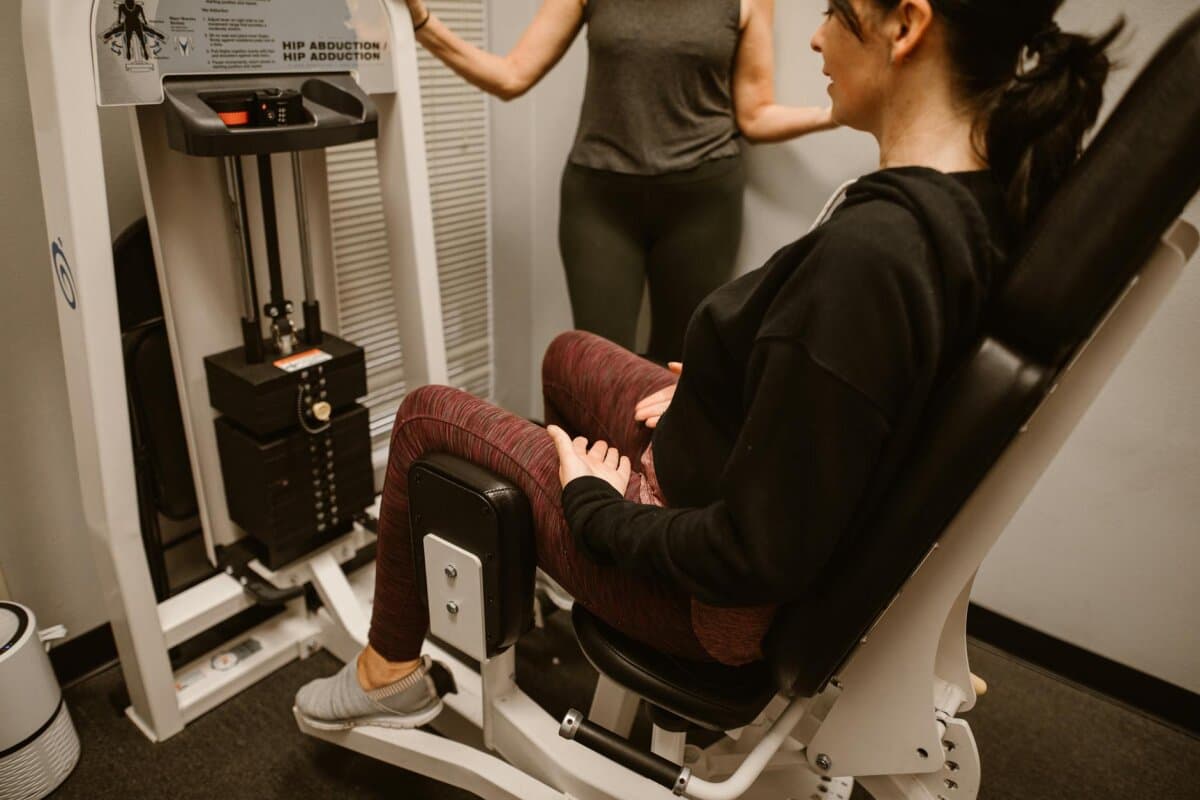
How to Optimize Lifting Technique With Biomechanics
Biomechanics offers a smarter way to improve lifting technique by understanding how your body moves under load. By applying principles like leverage, balance, and joint alignment, lifters can build strength more efficiently while reducing injury risk. This guide shows how to use biomechanics to refine form in major compound lifts.

Repetition Effort Method Explained for Hypertrophy and Strength
The repetition effort method is a proven training approach that uses moderate weights and high reps taken close to failure to stimulate muscle growth. Popular in both bodybuilding and strength training systems, it builds size, work capacity, and long-term strength. Learn how to program it effectively for hypertrophy-focused results.
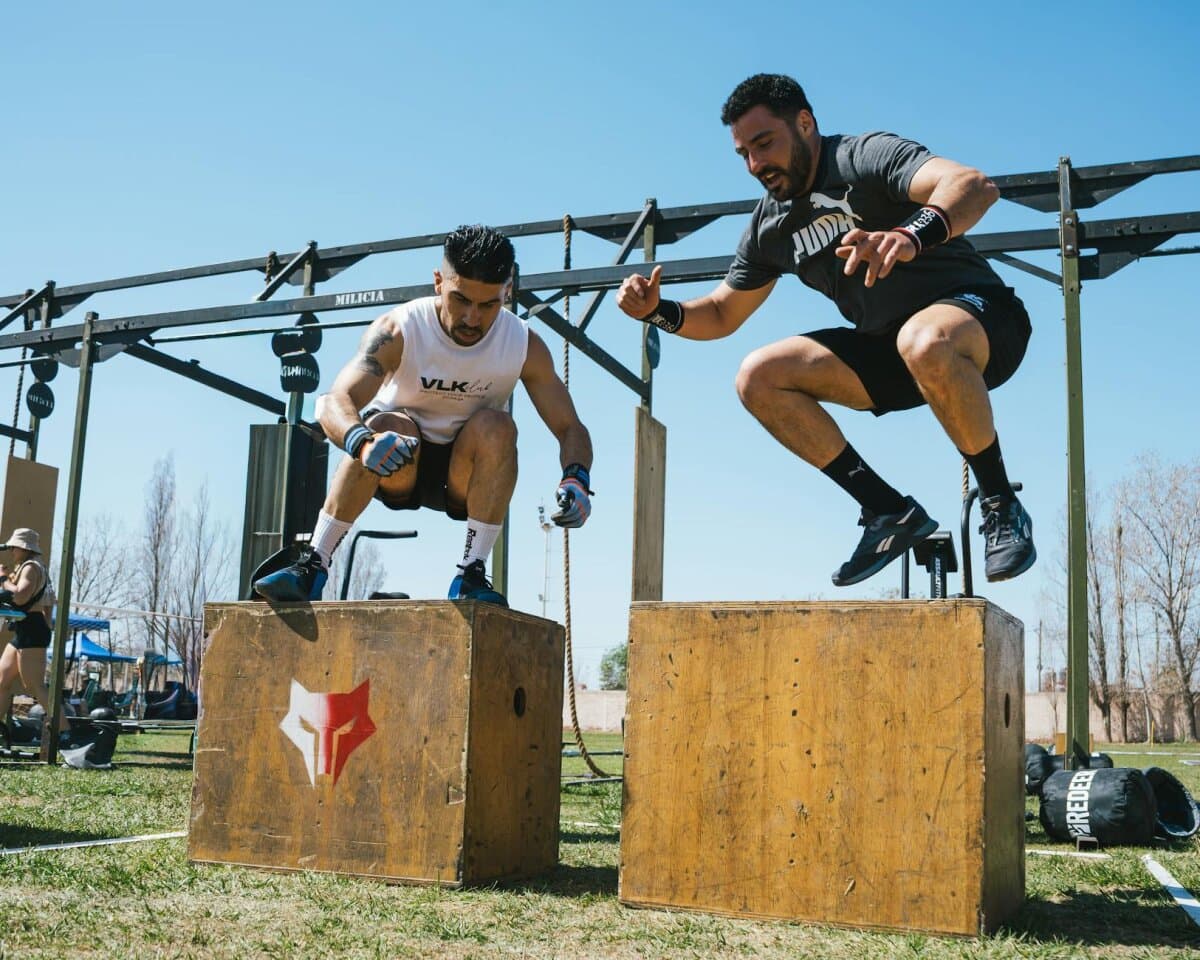
Velocity Based Training: Auto-Regulate Like a Pro
Velocity based training is a data-driven approach that uses bar speed to auto-regulate load, volume, and intensity. Instead of guessing based on percentages, VBT helps lifters train according to real-time performance. Learn how to apply velocity metrics to build strength, manage fatigue, and progress smarter.
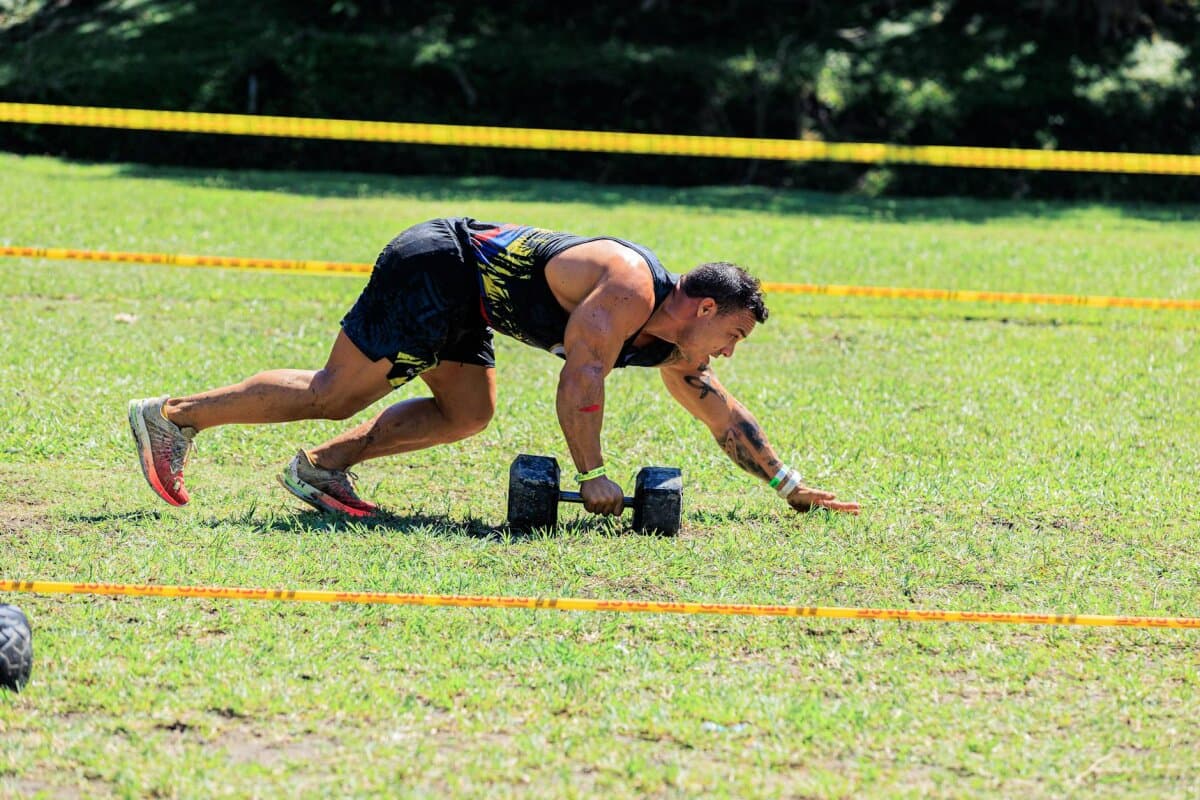
Neural Drive Enhancement for Explosive Strength Training
Explosive strength is driven as much by the nervous system as by muscle size. This article explains how neural drive influences power output and how targeted training methods can improve explosive performance. Learn how to program heavy lifts, speed work, and recovery for long-term strength gains.