Are Machines or Free Weights Better for Muscle Growth?

Are Machines or Free Weights Better for Muscle Growth?
Walk into almost any gym in the U.S. and you’ll see it play out in real time. One lifter is grinding through heavy squats in the power rack. Another is cruising through a full stack on the chest press machine. And somewhere nearby, someone’s arguing again about which one actually builds more muscle.
So… who’s right?
If you’re trying to pack on muscle, this debate can get confusing fast. Beginners wonder where to start. Experienced lifters second-guess their programs. And online? Don’t even get me started. Machines are “useless,” free weights are “dangerous,” or vice versa, depending on who’s talking.
Let’s slow it down. Take the emotion out of it. And look at what actually matters for building muscle how machines and free weights work, what the science says, and how real people should use them in the gym.
Short version? Both can work. Really well. But the details matter. Trust me on this.
Understanding Machines and Free Weights
Before we compare results, we need to be clear on what we’re comparing. Because “machines” and “free weights” aren’t just gym buzzwords they load your muscles in very different ways.
What Counts as Free Weights?
Free weights are exactly what they sound like: weights that aren’t attached to anything. You’re free to move them through space, which means you control the path.
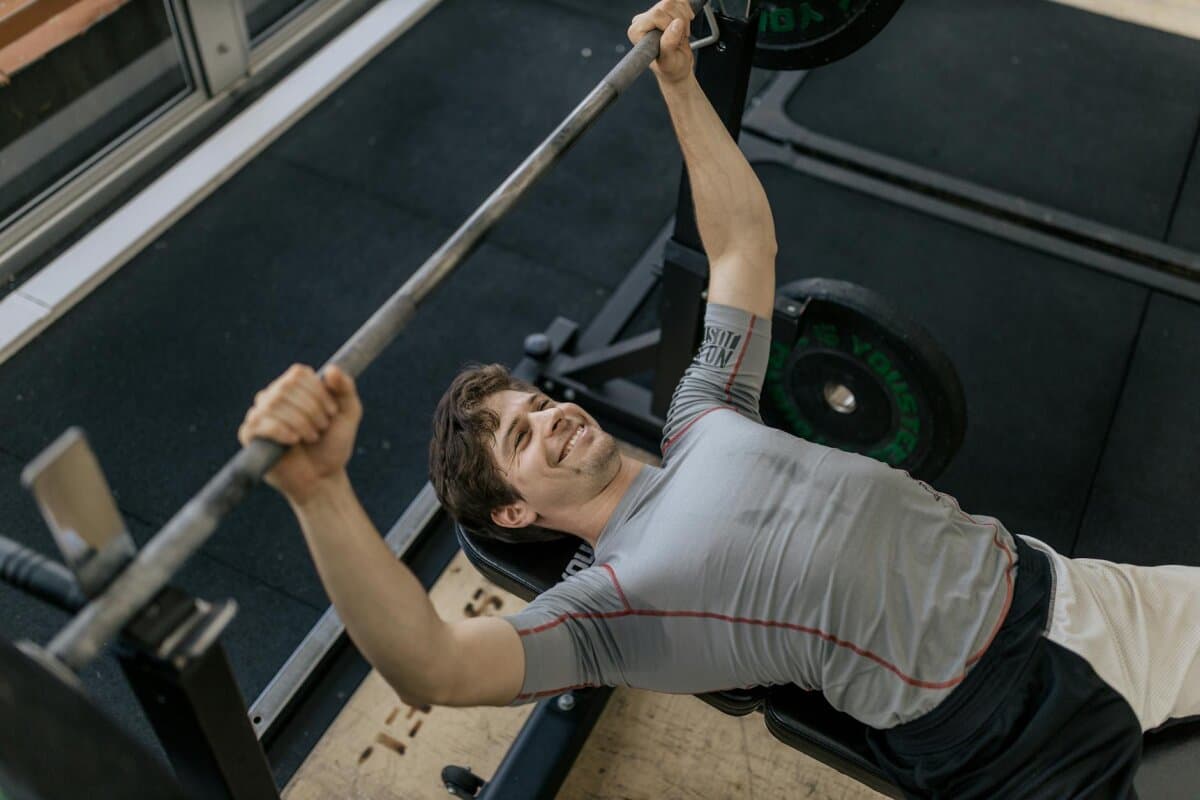
This includes barbells, dumbbells, and kettlebells. When you perform a Barbell Full Squat or a Barbell Bench Press, nothing is guiding the movement except your body, your joints, and gravity.
That freedom is powerful but it also demands coordination, balance, and stability from multiple muscles at once. Not just the big movers, but the smaller stabilizers too.
What Are Weight Machines?
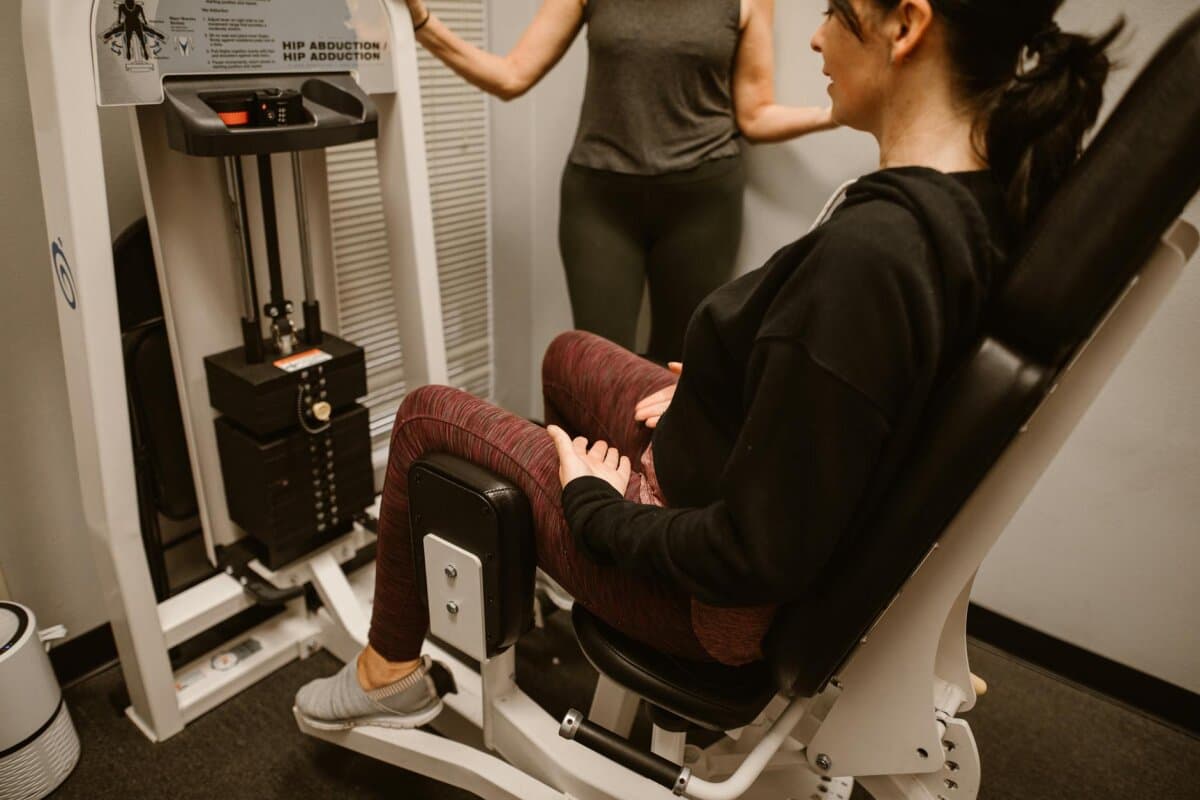
Machines are the opposite. They guide the movement for you.
Whether it’s a plate-loaded row, a selectorized leg press, or something like the Lever Incline Chest Press, the machine controls the path of motion. You push or pull against resistance, but the rails, cams, or arms keep everything on track.
This reduces balance demands and technical complexity. Which can be a big deal especially when you’re fatigued, rehabbing, or just learning how to train.
How Muscle Growth Actually Works
Here’s where a lot of gym arguments fall apart. Muscles don’t care if the resistance comes from a barbell or a machine. They respond to stimulus.
More specifically, muscle hypertrophy happens when training creates enough stress to force your body to adapt. That stress usually comes from three main factors.
Mechanical Tension and Progressive Overload
This is the big one.
Mechanical tension is the force your muscles produce when they contract against resistance. The heavier the load (or the harder the contraction), the more tension you generate.
Progressive overload simply means increasing that tension over time. More weight. More reps. Better control. Slower tempo. You’re giving your muscles a reason to grow.
Both machines and free weights can deliver serious mechanical tension. A heavy squat does it. So does pushing a chest press machine close to failure. Different tools. Same principle.
Muscle Damage and Metabolic Stress
Muscle damage is the micro-tearing that happens when you challenge a muscle especially through a deep range of motion or controlled eccentrics. That familiar soreness the next day? That’s part of the process.
Metabolic stress is the burning, swelling, pump-inducing sensation you get during higher-rep sets or shorter rest periods. Think that deep quad burn or chest pump that makes your shirt feel tight.
Machines often shine here. They keep constant tension on the muscle and make it easier to safely push sets close to failure. But free weights can absolutely deliver this too if programmed well.
Advantages of Free Weights for Building Muscle
Free weights have earned their reputation for a reason. When used correctly, they’re incredibly effective for building size and strength.
Compound Lifts and Functional Strength
Most free-weight movements are compound exercises. That means multiple joints and muscle groups working together.
Take a squat or deadlift. You’re training quads, glutes, hamstrings, core, and upper back all at once. Your body has to stabilize, coordinate, and produce force as a unit.
This leads to greater overall muscle recruitment and strength carryover. You’re not just growing a muscle you’re teaching it to work with the rest of your body.
Examples: Squats, Presses, and Pulls
Classic lifts like squats, presses, and pulls are staples for a reason.
A Barbell Deadlift builds massive posterior-chain strength. A heavy bench press loads the chest, shoulders, and triceps hard. Pull-ups hammer the lats and upper back while demanding serious control.
Free weights also allow endless progression. You can add small plates, adjust stance or grip, and manipulate tempo easily. That flexibility makes them powerful long-term tools for hypertrophy.
But and this matters they require good technique. When fatigue sets in, form can break down. That’s where some lifters run into trouble.
Advantages of Machines for Muscle Growth
Machines don’t deserve the bad rap they sometimes get. Especially if your main goal is hypertrophy.
Isolation and Consistent Tension
Machines excel at keeping tension exactly where you want it.
Because the movement path is fixed, you can focus on squeezing the target muscle instead of worrying about balance. This is gold for isolation work and bodybuilding-style training.
They also keep constant resistance through more of the range of motion. No “dead spots.” Just steady tension rep after rep.
Examples: Presses, Pulldowns, and Rows
A chest press machine allows you to train the chest hard without stressing your shoulders as much as a free barbell might. Pulldown variations let you overload the lats even if you can’t yet perform multiple pull-ups.
Machines are also safer when training close to failure. Miss a rep? The weight stack drops. No spotter needed. That makes them ideal for intensity techniques like drop sets and rest-pause training.
And on days when you’re tired, beat up, or short on time? Machines can be a lifesaver.
What Does the Science Say About Machines vs Free Weights?
This is where things get interesting. Because the research doesn’t support the extreme opinions you often hear in gyms.
Muscle Activation and Hypertrophy Outcomes
Studies comparing machines and free weights consistently show that both can produce similar muscle growth when volume and effort are matched.
Yes, free weights often show higher activation of stabilizer muscles. But higher activation doesn’t automatically mean more hypertrophy in the target muscle.
Machines, on the other hand, can allow greater focus and more total work for a specific muscle group. Over weeks and months, that adds up.
Bottom line? Muscles grow from hard, progressive training not from the type of equipment alone.
Strength Gains and Real-World Results
Free weights tend to win when it comes to maximal strength development, especially in compound lifts. That makes sense you’re training the exact skill you’re testing.
But for pure hypertrophy, machines hold their own. Many advanced bodybuilders rely heavily on machines to build and shape muscle while managing joint stress.
The myth that “machines don’t build real muscle” just doesn’t hold up. If it did, bodybuilding stages would look very different.
Which Is Better for You Based on Your Goals?
This is the question that actually matters.
Beginners, Bodybuilders, and Older Lifters
Beginners often benefit from machines early on. They’re easier to learn, reduce injury risk, and help build confidence. You can still get strong and muscular without mastering complex lifts on day one.
Intermediate and advanced lifters usually thrive with more free-weight work. By then, technique is solid and the benefits of compound loading really shine.
Older lifters? It depends. Many find machines easier on the joints while still allowing hard training. And that’s perfectly fine.
Training Around Injuries and Limitations
If you’re dealing with aches, previous injuries, or mobility restrictions, machines can help you train around those issues instead of skipping workouts entirely.
You don’t get extra muscle points for suffering through pain. Smart training beats ego lifting every time.
The Best Approach: Combining Machines and Free Weights
So… are machines or free weights better for muscle growth?
Honestly? The best programs use both.
Free weights are fantastic for building a strong foundation, developing coordination, and loading big muscle groups. Machines are unbeatable for isolation, safety, and pushing intensity without wrecking your joints.
Combine them intelligently. Squat or deadlift heavy. Then use machines to finish the job. Train hard, recover well, and progress consistently.
That’s what actually builds muscle. Not choosing sides in a gym debate.
Frequently Asked Questions
Related Articles
How to Optimize Lifting Technique With Biomechanics
Biomechanics offers a smarter way to improve lifting technique by understanding how your body moves under load. By applying principles like leverage, balance, and joint alignment, lifters can build strength more efficiently while reducing injury risk. This guide shows how to use biomechanics to refine form in major compound lifts.
Repetition Effort Method Explained for Hypertrophy and Strength
The repetition effort method is a proven training approach that uses moderate weights and high reps taken close to failure to stimulate muscle growth. Popular in both bodybuilding and strength training systems, it builds size, work capacity, and long-term strength. Learn how to program it effectively for hypertrophy-focused results.
Velocity Based Training: Auto-Regulate Like a Pro
Velocity based training is a data-driven approach that uses bar speed to auto-regulate load, volume, and intensity. Instead of guessing based on percentages, VBT helps lifters train according to real-time performance. Learn how to apply velocity metrics to build strength, manage fatigue, and progress smarter.
Neural Drive Enhancement for Explosive Strength Training
Explosive strength is driven as much by the nervous system as by muscle size. This article explains how neural drive influences power output and how targeted training methods can improve explosive performance. Learn how to program heavy lifts, speed work, and recovery for long-term strength gains.