Do You Need Cardio for Fat Loss? The Real Truth Explained

Do You Need Cardio for Fat Loss? The Real Truth Explained
Walk into almost any gym and you’ll see it. Rows of treadmills packed with people grinding away, sweating buckets, chasing fat loss one mile at a time. And somewhere along the way, the message stuck: if you want to lose fat, you must do cardio.
But is that actually true? Or is it just another fitness myth that refuses to die?
Here’s the honest answer. Cardio can help with fat loss. But it’s not mandatory. And for a lot of people, it’s not even the most important piece of the puzzle. If you’ve ever forced yourself onto a machine you hate, wondered why the scale isn’t moving, or felt exhausted and hungry all the time… trust me, you’re not alone.
Let’s break this down in a simple, no-BS way. Calories. Cardio. Strength training. And how fat loss really works in the real world.
What Actually Causes Fat Loss?
Before we talk about cardio, we need to clear up something bigger. Fat loss doesn’t happen because of one exercise, one machine, or one “fat-burning” workout. It happens because of energy balance.
Not sexy. But true.
Calorie Deficit Explained Simply
Your body uses energy every day. To breathe. To walk. To think. To train. That energy comes from calories.
When you eat more calories than you burn, your body stores the extra. Often as fat. When you eat fewer calories than you burn, your body has to make up the difference. And that’s where fat loss comes from.
This is called a calorie deficit. And it’s the main driver of fat loss. Period.
You can create that deficit in a few ways:
- Eating less food
- Moving more
- Ideally, a mix of both
Notice what’s missing? Cardio isn’t required. It’s just one tool that helps you burn more calories.
Why Burning Calories in a Workout Isn’t Enough
This is where a lot of people get tripped up.
You can burn 400 calories doing cardio… then eat 600 extra without realizing it. A smoothie here. A snack there. Suddenly the deficit is gone.
And there’s another issue. Fat loss isn’t the same as weight loss. You can lose weight from water, muscle, or glycogen. What most people actually want is to lose body fat while keeping muscle. That requires more than just sweating.
What Role Does Cardio Play in Fat Loss?
So where does cardio fit in?
Think of cardio as a volume knob for calorie burn. Turn it up, and you expend more energy. Turn it down, and you rely more on diet and daily movement.
Does Cardio Burn Fat or Just Calories?
Here’s a truth that surprises people. Cardio doesn’t magically burn fat.
It burns calories. That’s it.
Yes, during lower-intensity cardio, a higher percentage of calories may come from fat. But percentage doesn’t matter if you’re not in a calorie deficit overall.
You could walk on a treadmill for an hour, hop off, and still gain fat if your total intake is too high.
That’s why you’ll hear experienced coaches say things like, “You don’t lose fat in the gym. You lose it over days and weeks.” Annoying. But accurate.
Why Cardio Is Often Overemphasized
Cardio feels productive. You’re sweating. Your heart rate is up. The machine tells you how many calories you burned. It feels like progress.
And culturally? Cardio has been marketed as the fat-loss solution for decades. Aerobics. Spin classes. Endless treadmill sessions.
The problem is sustainability. Too much cardio can:
- Increase hunger
- Reduce recovery from strength training
- Lead to muscle loss if calories are too low
- Burn you out mentally
That’s not a great long-term plan.
Types of Cardio: LISS vs HIIT for Fat Loss
Not all cardio is created equal. And choosing the wrong type for your lifestyle can make fat loss harder than it needs to be.
Low-Intensity Cardio and Daily Steps
LISS stands for low-intensity steady-state cardio. Think walking, easy cycling, or light jogging.
Something like Treadmill Running at a comfortable pace fits here. You can talk. You’re breathing heavier, but you’re not dying.
The big upside? Recovery.
LISS doesn’t beat you up. It doesn’t spike hunger as aggressively. And you can do a lot of it without interfering with strength training.
This also ties into NEAT non-exercise activity thermogenesis. Steps. Errands. Moving around more during the day. Honestly, this stuff adds up fast.
HIIT: Benefits and Potential Downsides
HIIT gets a lot of hype. Short workouts. High intensity. Big calorie burn.
And yes, it can work.
But here’s the catch. HIIT is stressful. Physically and neurologically. Do too much, and recovery tanks. Strength sessions suffer. Sleep can even take a hit.
For beginners especially, HIIT often turns into sloppy cardio with poor intensity control. It feels hard… but doesn’t deliver the promised benefits.
Sometimes boring cardio wins. Weird, right?
Why Strength Training Is Crucial for Fat Loss
If cardio is optional, strength training is not. At least not if you care about how you look and feel when the fat comes off.
Muscle Preservation and Metabolic Health
When calories drop, your body looks for efficiency. And muscle is expensive tissue.
Without resistance training, your body may burn muscle along with fat. That leads to a slower metabolism and the classic “skinny-fat” look.
Strength training sends a signal: keep this muscle. It helps preserve lean mass, supports hormone health, and improves body composition.
More muscle doesn’t turn you into a calorie-burning furnace. But it helps. And more importantly, it changes how your body looks at the same scale weight.
Examples of Effective Strength Exercises
Compound lifts are gold for fat loss.
Moves like the Barbell Full Squat and the Barbell Deadlift train a lot of muscle at once. They’re demanding. They’re efficient. And they build strength that carries over into everyday life.
You don’t need endless exercises. You need consistency, progressive overload, and good form. Simple works.
Can You Lose Fat Without Doing Cardio?
Short answer? Yes.
Plenty of people lose fat with minimal or no formal cardio. Especially beginners and intermediate lifters.
Using Daily Activity and Diet to Drive Fat Loss
If your calorie intake is controlled and you’re strength training regularly, fat loss can happen without structured cardio sessions.
Steps matter. Standing more matters. Walking after meals matters.
This approach often works well for people who:
- Feel drained by excessive cardio
- Struggle with hunger on high-cardio plans
- Prefer lifting weights
Cardio can still be added later if progress stalls. It doesn’t have to be the foundation.
How to Build the Best Fat Loss Plan for You
This is where things get personal.
The best fat-loss plan isn’t the one with the most cardio. It’s the one you can actually stick to.
Choosing the Right Balance of Cardio and Weights
Start with strength training. Two to four sessions per week. Full-body or upper/lower splits both work.
Add cardio based on:
- Your enjoyment
- Your recovery
- Your schedule
For many people, a mix of lifting and low-intensity cardio is the sweet spot. Sprinkle in HIIT only if you recover well.
And don’t ignore the boring stuff. Sleep. Stress. Consistent meals. These matter more than most people want to admit.
So, Do You Really Need Cardio to Lose Fat?
No. You don’t need cardio to lose fat.
You need a calorie deficit. You need consistency. And you need strength training if you want to look athletic and feel strong at the end of the process.
Cardio is a tool. A useful one. But it’s optional, flexible, and highly individual.
If you enjoy it, use it. If you hate it, don’t force it. Build a plan you can sustain, not one that burns you out.
That’s the real truth. And honestly? It’s a lot more freeing than being chained to a treadmill.
Frequently Asked Questions
Related Articles
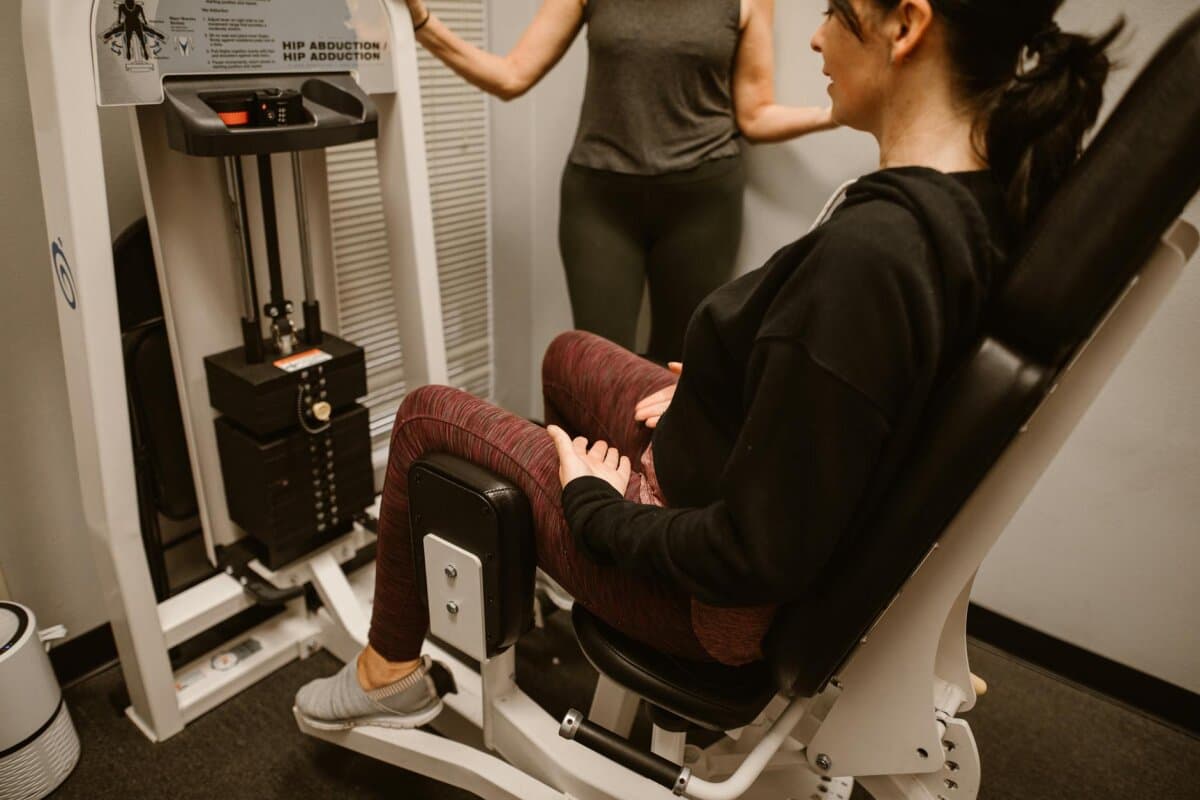
How to Optimize Lifting Technique With Biomechanics
Biomechanics offers a smarter way to improve lifting technique by understanding how your body moves under load. By applying principles like leverage, balance, and joint alignment, lifters can build strength more efficiently while reducing injury risk. This guide shows how to use biomechanics to refine form in major compound lifts.
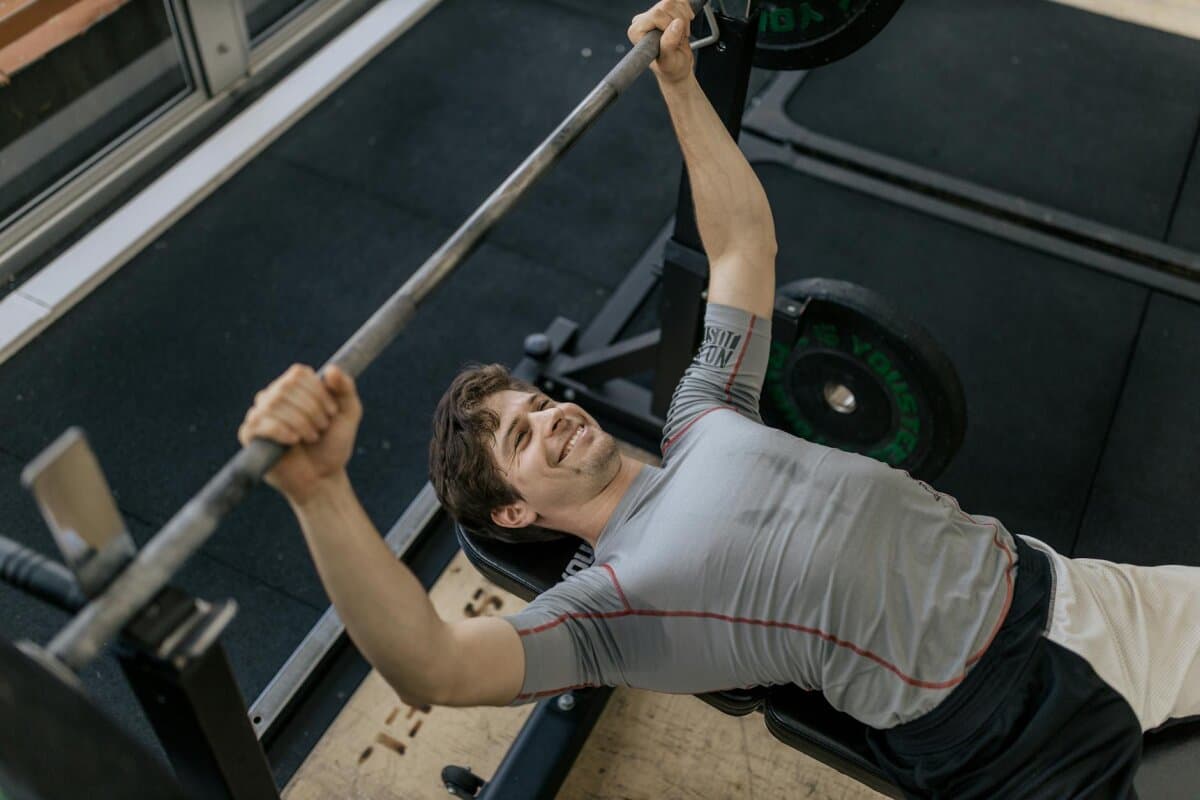
Repetition Effort Method Explained for Hypertrophy and Strength
The repetition effort method is a proven training approach that uses moderate weights and high reps taken close to failure to stimulate muscle growth. Popular in both bodybuilding and strength training systems, it builds size, work capacity, and long-term strength. Learn how to program it effectively for hypertrophy-focused results.
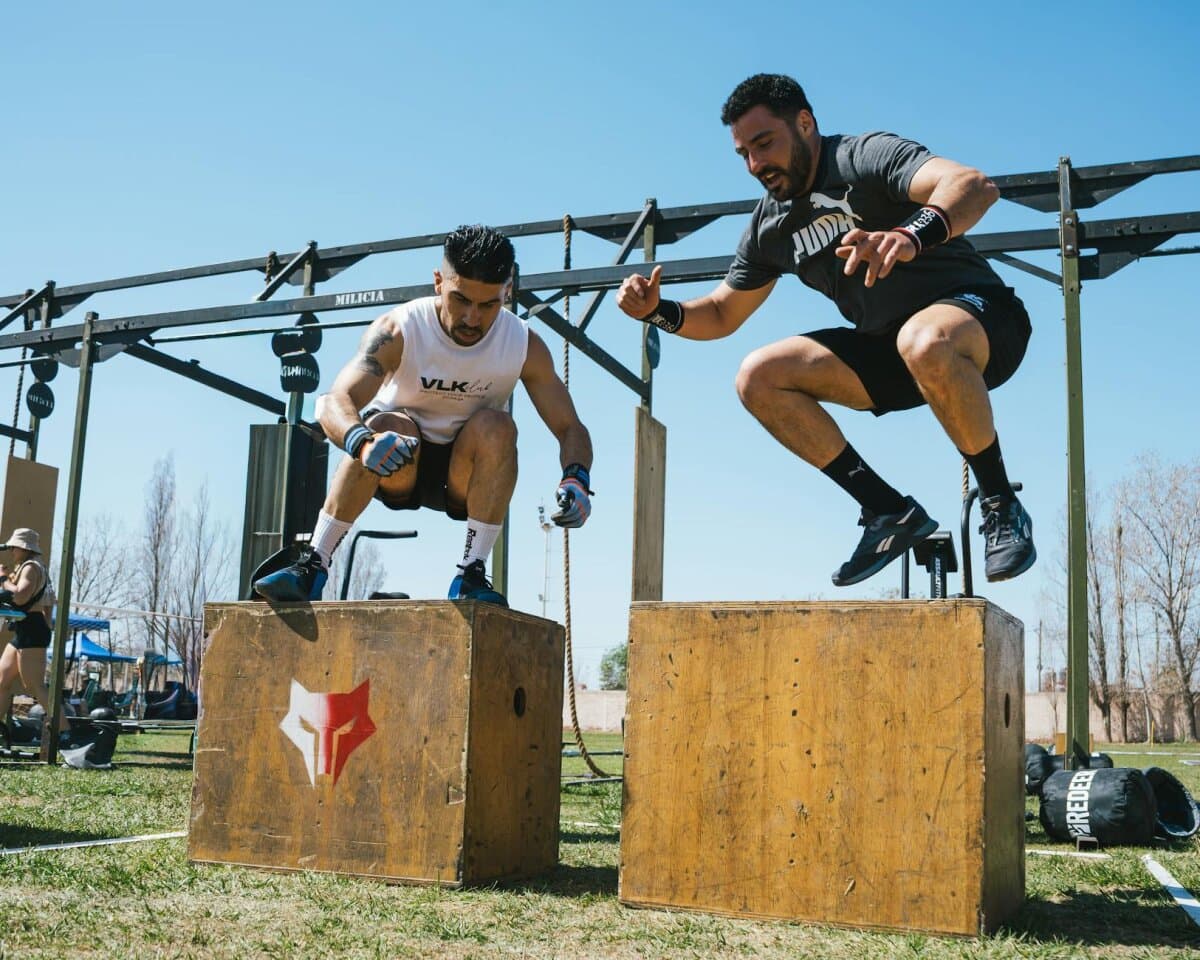
Velocity Based Training: Auto-Regulate Like a Pro
Velocity based training is a data-driven approach that uses bar speed to auto-regulate load, volume, and intensity. Instead of guessing based on percentages, VBT helps lifters train according to real-time performance. Learn how to apply velocity metrics to build strength, manage fatigue, and progress smarter.
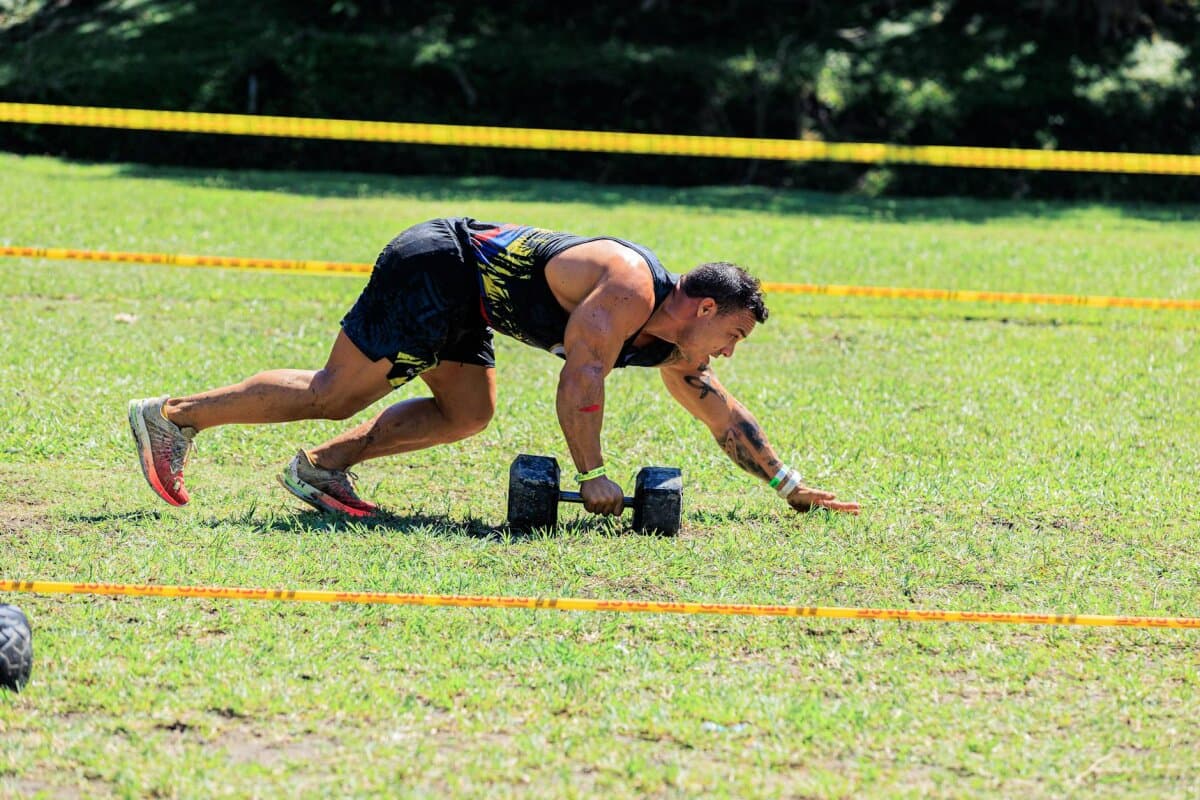
Neural Drive Enhancement for Explosive Strength Training
Explosive strength is driven as much by the nervous system as by muscle size. This article explains how neural drive influences power output and how targeted training methods can improve explosive performance. Learn how to program heavy lifts, speed work, and recovery for long-term strength gains.